
Spring Lawn Care Checklist: Mower Prep & Maintenance
Look, I’m just gonna be straight with you here. That first warm Saturday morning in spring hits different, doesn’t it? You’ve been cooped up inside all winter, and suddenly the sun’s out, there’s this smell of wet earth in the air, and you’re practically running to the garage ready to tackle your spring lawn care checklist. You grab your mower, give it a confident pull, and… absolutely nothing happens. Or maybe worse – it fires up but sounds like you’re torturing some kind of mechanical animal.
Table of Contents
▼- Complete Spring Lawn Care Checklist: Everything You Need
- Phase One: Assessment Week
- Phase Two: Cleanup Time
- Phase Three: Equipment Prep
- Phase Four: Soil and Lawn Treatment
- Phase Five: First Mowing
- Spring Yard Clean-Up Checklist: First Steps for Success
- Removing All the Debris
- Dealing with Matted Grass
- Fixing Drainage Issues
- Creating Clean Edges
- Inspecting for Winter Damage
- Overseeding Bare Spots
- Spring Mower Maintenance: Essential Prep Guide
- Gas Mower Prep Essentials
- Battery Mower Care
- Battery Mower Spring Prep: Cordless Equipment Care
- Battery Storage and Charging
- Deck and Blade Maintenance
- Safety System Checks
- Spring Lawn Care Tips: Expert Advice for Beginners
- Mowing Height Matters More Than You Think
- The One-Third Rule is Real
- Leave Your Clippings
- Water Deep, Not Often
- Go Easy on Spring Fertilizer
- Early Spring Lawn Care: Timing Your Tasks
- Forget the Calendar, Watch Your Grass
- Regional Timing Guidelines
- The Frost Date Reality
- Spring Lawn Fertilizer & Soil Prep: Getting Ready to Grow
- Test Your Soil First
- Understanding pH Levels
- Choosing the Right Spring Fertilizer
- Application Rate Matters
- Compost as a Secret Weapon
- Spring Lawn Equipment Checklist: Tools & Supplies
- Essential Equipment
- Best Equipment for Your Spring Lawn Care Checklist
- Hand Tools That Matter
- Critical Supplies
- Optional But Helpful
Yeah, I’ve been that guy. More times than I care to admit, actually. After watching this exact scene play out in probably thousands of garages across Ohio and beyond, I can tell you right now that having a solid spring lawn care checklist ready before everything starts growing like crazy is pretty much the difference between a great season and three months of frustration.
Here’s the thing – spring success really isn’t about having the fanciest equipment or spending the most money. It’s about doing specific things at specific times, and honestly? Most of it is just common sense once somebody actually explains it properly. Whether this is your twentieth spring doing lawn care or you just bought your first house last year, I’m gonna walk you through everything. This spring lawn care checklist covers yard cleanup that actually matters, getting your mower running like it should, and setting yourself up so you’re not fighting problems all summer. Sound good? Let’s get into it.
Complete Spring Lawn Care Checklist: Everything You Need
Alright, so here’s something most people don’t really get about spring lawn care checklist planning – it’s not just about firing up the mower and going to town. That’s actually how you mess things up pretty badly. I learned this the expensive way back when I was maybe 26 or 27, thought I had it all figured out. Spoiler alert: I definitely did not.
Your spring work needs to start about two to four weeks before your last frost date. For most of us here in the Midwest, that’s usually mid-March into early April. My southern friends can start earlier, northern folks might be waiting until late April. But don’t just blindly follow the calendar – pay attention to what your actual yard is telling you.
Phase One: Assessment Week
Walk your entire property with a notepad or your phone. I’m serious about this part. Look for spots where winter really beat things up – bare patches, areas where snow sat forever and created weird dead zones, places where your drainage may not be working right. Check out where your equipment is stored, too. What’s actually working? What’s been making that weird noise since last October that you kept meaning to deal with?
Phase Two: Cleanup Time
This is where the real work starts, and I’m not gonna sugarcoat it – this part isn’t super fun. But skipping it? That’s how you end up fighting the same problems all year long. Remove all the debris, rake up that matted dead grass, and make sure water can actually drain where it needs to. I’ll get into the specifics in just a minute, but trust me on this – don’t rush through cleanup just because you’re excited to start mowing.
Phase Three: Equipment Prep
Your mower needs attention, whether it’s gas-powered or one of those battery models that everyone’s switching to lately. Spring mower maintenance isn’t optional; it’s mandatory. I’ve watched way too many people skip this step, then their mower dies completely in June when every repair shop has a three-week backlog. Don’t be that person.
Phase Four: Soil and Lawn Treatment
Test your soil before you start dumping products on it. Figure out what your pH situation is, whether you need to adjust anything, and plan out when you’re actually gonna fertilize. Early spring grass care is really about feeding the roots and getting healthy growth started – not forcing a bunch of top growth too fast.
Phase Five: First Mowing
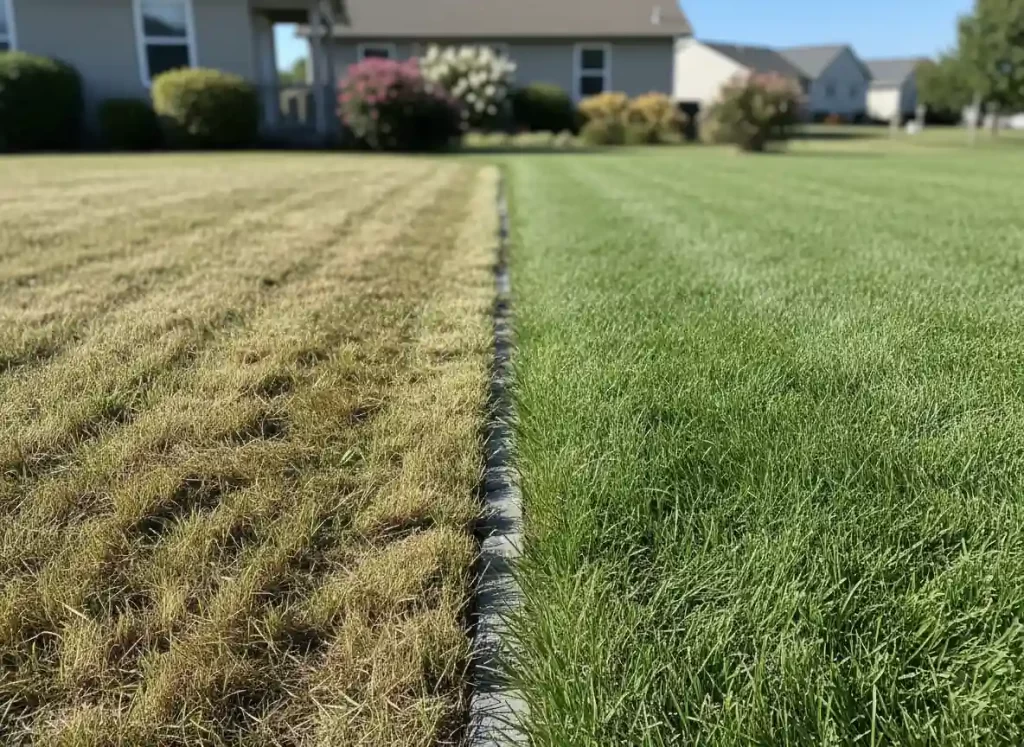
When you finally do that first mow of the season, you’re only taking off maybe the top third of whatever height your grass is at. Set that blade high. Don’t scalp everything down because you think it looks cleaner. As things warm up, you’ll ease into your regular schedule, but start gently.
For way more detail on timing all this stuff throughout the entire year, check out our complete guide on seasonal lawn care, where I break down what to do every single season.
Spring Yard Clean-Up Checklist: First Steps for Success
Let me be real with you – this is nobody’s favorite part of spring yard maintenance. It’s tedious, it’s often cold and muddy, and you’d rather just be mowing already. But here’s what I tell every single customer who comes through looking for shortcuts: you absolutely cannot build a great lawn on top of winter’s mess. It just doesn’t work that way.
Removing All the Debris
Start by just walking around picking up branches, sticks, and any random garbage that blew into your yard over the winter months. I drag around this lightweight tarp that makes the whole process way faster and saves my back from a thousand trips to the compost pile. Pay extra attention under trees and along fence lines – that’s where stuff really accumulates.
Last spring, I watched my neighbor try to mow right over all his winter debris. His blade hit a branch hidden in the grass, bent the blade completely, and cost him about $150 at the repair shop. Fifteen minutes of cleanup would’ve prevented that whole situation.
Dealing with Matted Grass
Winter snow packs down your grass and any leaves you didn’t get in the fall into this gross, matted layer. It blocks the sun, traps moisture, and basically suffocates your grass. Use a flexible leaf rake – not one of those rigid garden rakes – and work in sections. You’re not trying to rip everything up here; just get that surface layer off.
I made this mistake in my third year: I went way too aggressively with the rake in spring and damaged a bunch of grass crowns that were just starting to wake up. Took weeks for those spots to recover. Be firm but not violent with it.
Fixing Drainage Issues
Check your gutters, your downspouts, and anywhere water flows across your lawn. Standing water in spring leads to disease problems and dead spots you’ll be looking at all summer. I learned this one when a clogged drain killed about a ten-foot patch in my second house. Had to reseed the whole area, and it never quite matched the rest of the lawn that year.
Clear any blockages you find. Make sure water flows away from your house foundation and off your lawn properly. This seems basic, but you’d be shocked at how many people skip it.
Creating Clean Edges
Spring lawn checklist work isn’t complete without proper edging. Use a flat spade or a proper edging tool when the soil is slightly moist but not muddy-soggy. This makes everything else look more polished, plus it stops grass from slowly creeping into your flower beds over the summer.
Inspecting for Winter Damage
Walk around looking for problem areas. Salt damage along the driveway where you went crazy with the ice melt in February. Spots where animals dug things up or created tunnels. Those weird circular gray patches are from snow mold. Mark these spots with little flags or even spray paint so you remember to deal with them specifically later on.
Common stuff I see every spring: salt burn near driveways, vole tunnels near the foundation where they were living all winter, and snow mold in spots where snow piled up forever.
Overseeding Bare Spots
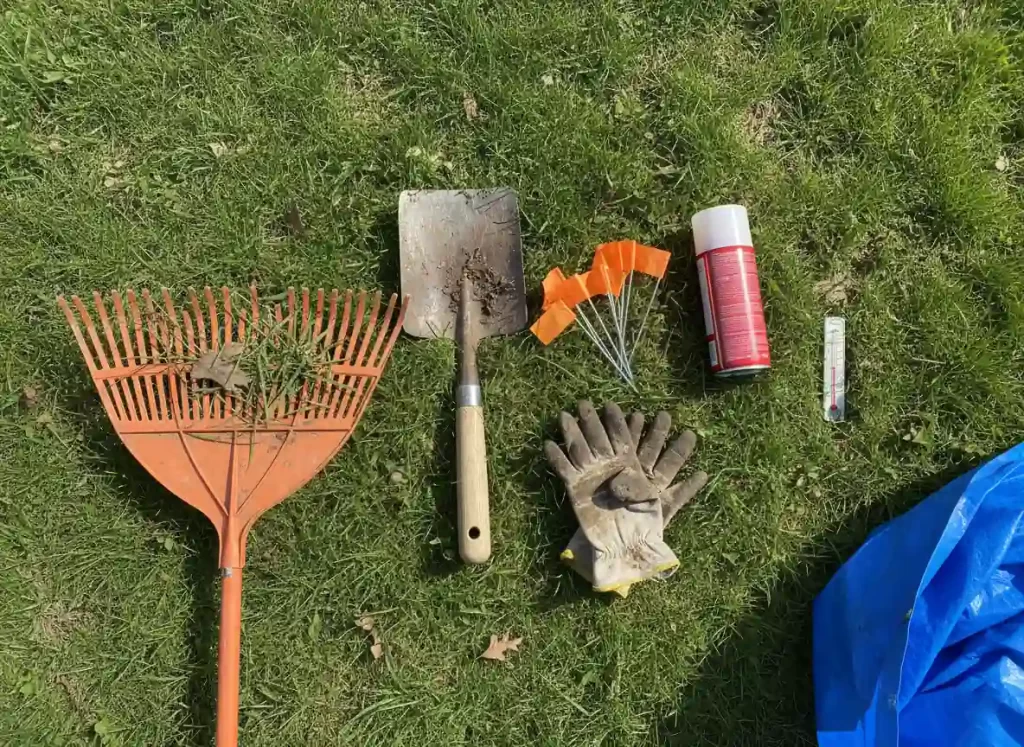
If your soil temperature is consistently hitting 50 degrees, you can do some light overseeding now. I use a cheap soil thermometer – it costs maybe eight bucks, and it’s way more reliable than guessing based on air temperature. For spring lawn care season work, focus on cool-season grass repairs first.
Trust me on this – spending two solid days on thorough cleanup saves you hours and hours of frustration later. Your mower will thank you. Your grass will thank you. Your neighbors will definitely notice the difference.
Spring Mower Maintenance: Essential Prep Guide
Alright, this is where my 15 years of actually working on mowers really kick in. I’ve serviced probably hundreds of mowers every spring season back when I ran the repair shop, and I can spot a neglected machine from like thirty feet away. Your spring mower maintenance routine is honestly the single most important thing you can do for reliable performance all season.
Gas Mower Prep Essentials
Change the Oil First
If you didn’t change the oil before you stored it last fall (and let’s be honest, most people didn’t), do it right now before you start it. Old oil has combustion junk and moisture in it that genuinely damages your engine over time. Use SAE 30 for most push mowers, or 10W-30 if you’re somewhere with big temperature swings. This takes maybe fifteen minutes and costs eight or ten dollars. Learn the complete process in our detailed oil change guide if you’ve never done it before.
Install a Fresh Spark Plug
A fresh spark plug costs about three bucks and makes starting easier while improving your fuel efficiency. I replace mine every single spring regardless of what it looks like. Gap it to whatever your manual says – usually 0.030 inches. This is one of those places where trying to save three dollars ends up costing you way more in frustration. Learning small engine repair basics prevents these costly mistakes.
Check Your Air Filter
A clogged air filter is basically like making your mower run a marathon while breathing through a coffee stirrer. If you’ve got a paper filter, just replace it yearly. Foam filters you can wash in warm soapy water, squeeze dry, and put a light coat of oil on. Understanding how your mower’s engine works helps you make better maintenance decisions and catch problems early.
Sharpen That Blade
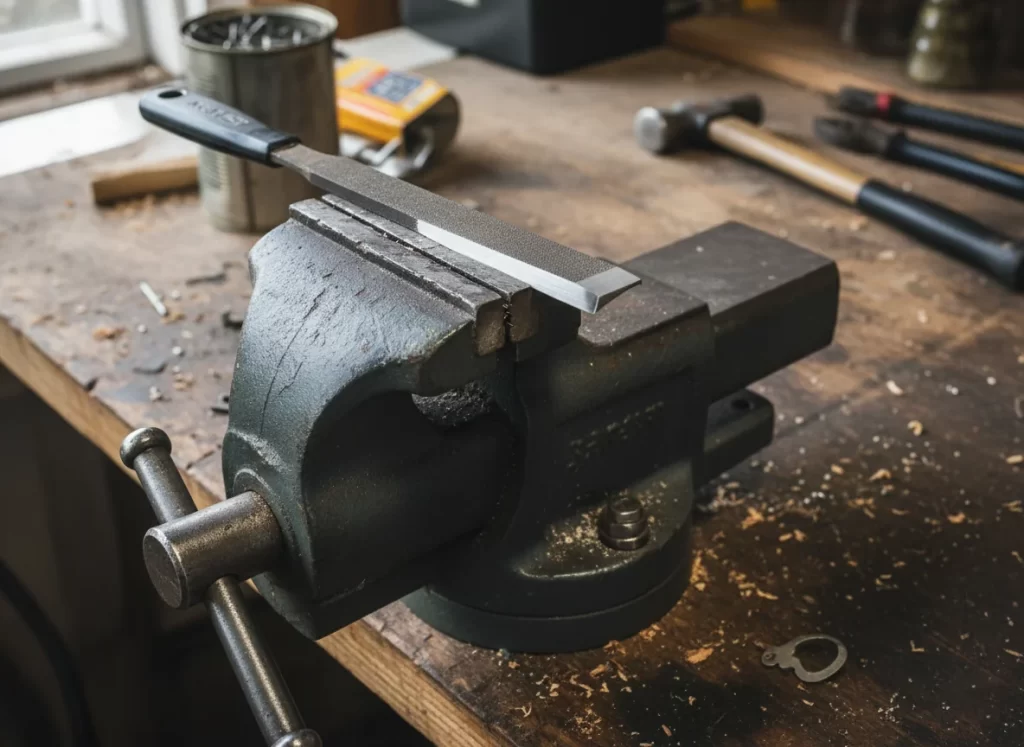
Here’s what I tell every single customer: a sharp blade is the difference between giving your grass a nice haircut and just beating it up. Dull blades tear grass instead of cutting it clean, which creates those brown tips you see and makes your lawn way more likely to get diseases.
Take the blade off, clamp it in a vise, and use either a hand file or an angle grinder to get the edge back. After you sharpen it, you gotta balance it – an unbalanced blade causes vibration that can actually damage your mower’s spindle bearings over time. If you’ve never sharpened a blade before, check out our step-by-step guide on how to sharpen your mower blade properly – it’s easier than you think.
Battery Mower Care
Battery mowers are way easier maintenance-wise, but they’re definitely not maintenance-free like some people think. Lawn mower spring prep for cordless models still requires attention. Old fuel sitting over winter causes carburetor problems that can completely prevent starting in spring – one reason why battery mowers are becoming so popular.
Battery Mower Spring Prep: Cordless Equipment Care
The battery mower thing has completely changed spring lawn equipment maintenance. I’ve personally tested probably over 50 cordless models by now, and while they need way less maintenance than gas mowers, you still gotta do some work. If you’re considering making the switch, our guide to the best cordless lawn mowers breaks down everything you need to know.
Battery Storage and Charging
If you stored your batteries the right way over winter – cool, dry spot, charged to about 40 or 50 percent – they should basically be ready to go. Charge them up fully before you use them the first time, but don’t just leave them sitting on the charger for like weeks.
Here’s something most people don’t know: batteries have this “wake-up” period. If yours have been sitting since November, that first charge might take longer than usual. The first couple of times you use them might seem a little less powerful. This is totally normal. By the third time you use them, they’ll be back to full performance.
Deck and Blade Maintenance
Even battery mowers need the deck cleaned. All that caked-on grass and debris from last season affects your cut quality and makes the motor work harder than it should. I use a plastic putty knife to scrape everything off – it won’t scratch the deck surface like metal would.
Yeah, battery mower blades still need sharpening. The process is the same as gas mowers: take it off, sharpen it, balance it, put it back on. Keep in mind that different blade types require different approaches to maintenance and sharpening. I sharpen mine every 25 hours of use or at the beginning of each season, whichever comes first.
Safety System Checks
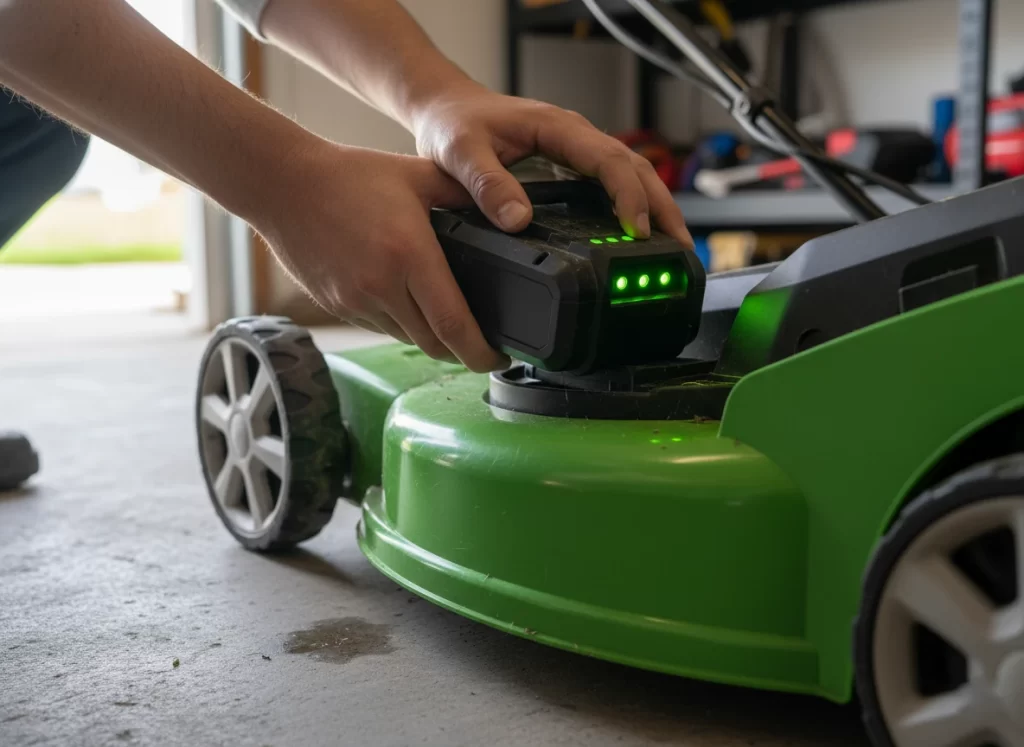
Test all your safety stuff before the first real mow. The blade should stop within three seconds of you letting go of the handle. Make sure the battery clicks into place securely and the charge indicator lights up. I’ve seen too many people ignore warning lights and error messages, then end up with completely fried electronics.
Battery contacts can corrode over winter, especially if you stored things in a humid basement or garage. Wipe both the battery contacts and the mower contacts with a clean, dry cloth. If you see any green corrosion buildup, here’s a trick: use a pencil eraser to gently clean it off.
Spring Lawn Care Tips: Expert Advice for Beginners
After helping literally thousands of homeowners through their first spring season, I’ve got this list of advice I end up giving over and over. These spring lawn care tips work whether this is your first year or you’re just trying to up your game.
Mowing Height Matters More Than You Think
The absolute biggest mistake I see every single spring? People mow way too early and cut way too short. I get it – you’re excited, the weather’s nice, you want that clean look. But your grass needs to hit at least three inches before you cut it, and even then, you’re only taking off the top third.
Set your mower to its highest setting for your first two cuts of spring. I know it looks a little shaggy. That’s fine. As things warm up and grass starts growing more actively, you can gradually lower the deck to whatever height you prefer.
The One-Third Rule is Real
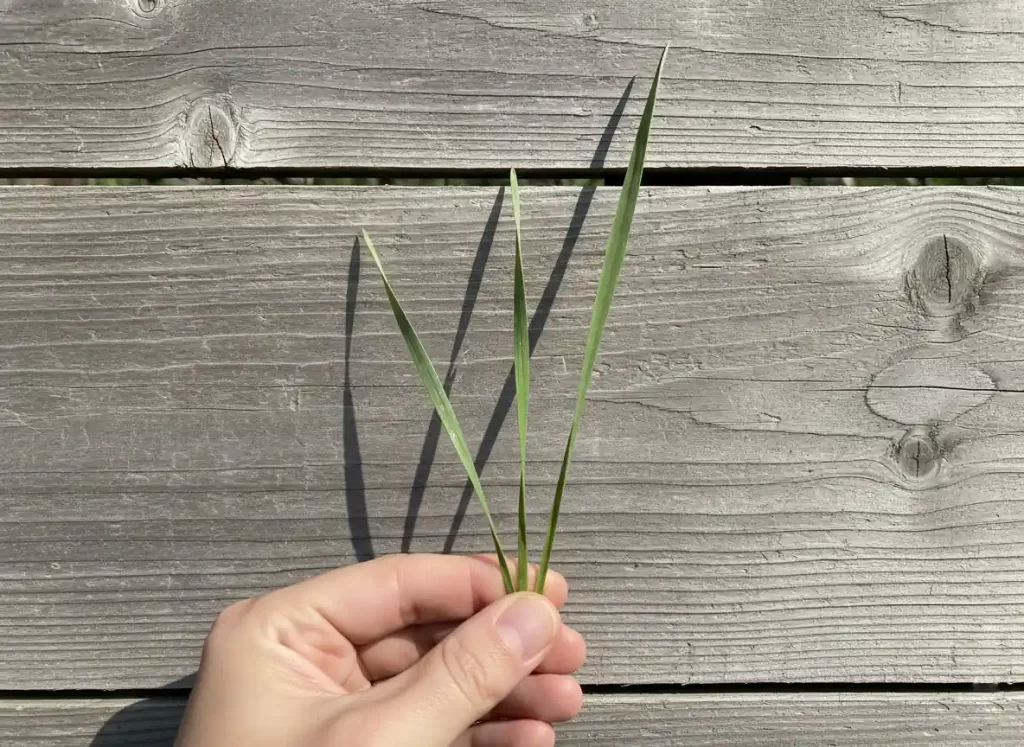
Never, ever remove more than one-third of the grass blade in a single mowing. If your grass gets away from you and grows to six inches (happens to all of us), don’t just cut it down to two inches in one shot. Mow it to four inches, wait a few days, then cut to three inches.
Cutting too much at once shocks the grass and really stresses it out. I’ve watched neighbors scalp their lawns in spring, then spend all summer trying to revive grass that never really recovered.
Leave Your Clippings
Unless your grass got crazy tall and you’ve got these thick clumps everywhere, just leave the clippings on the lawn. They return nitrogen to your soil and actually reduce how much fertilizer you need by about 25 percent. Using proper mulching technique ensures clippings break down quickly and don’t smother your grass.
I’ve done side-by-side tests on my own lawn. The sections where I leave clippings are consistently greener and healthier than the areas where I bag everything. That whole myth about clippings causing thatch buildup needs to die already.
Water Deep, Not Often
Spring lawn maintenance checklist should include a proper watering strategy. Spring usually brings plenty of rain naturally, but when you do need to water, do it right. One inch of water once a week is way better than quick little sprinklings every day.
Deep watering pushes roots to grow deeper. Shallow, frequent watering creates shallow roots that absolutely struggle when summer heat hits. I water for about 45 minutes twice a week in my zone system, early morning between 5 and 8 AM. The EPA’s WaterSense program recommends early morning watering to reduce evaporation and prevent fungal disease.
Go Easy on Spring Fertilizer
I see people dumping fertilizer on frozen ground in February, wondering why their lawn doesn’t magically turn green. Wait until your grass is actively growing and your soil temperature consistently hits 55 degrees. A light application of slow-release fertilizer is perfect for spring.
Save the heavy feeding for fall. That’s when it really matters. Our complete seasonal lawn care guide 2025 breaks down exactly when to fertilize throughout the entire year.
Early Spring Lawn Care: Timing Your Tasks
Timing is absolutely everything in lawn care spring season. Jump too early and you waste time and money. Wait too long and you miss important windows where things actually work. Here’s my regional guidance after 15 years of helping homeowners from Ohio to Texas and everywhere in between. Check National Weather Service frost date predictions for your specific area to time these tasks perfectly.
Forget the Calendar, Watch Your Grass
Use your grass as the guide, not your calendar. When you start seeing bright green new growth at the base of your grass, spring has officially started for your lawn. This happens when soil temperatures consistently hit 50 to 55 degrees, which varies wildly depending on where you live.
I’ve got a soil thermometer I stick in the ground every morning in late February. When it reads 50 degrees three days in a row, I know it’s go time. Cost me eight bucks five years ago, and I still use it every spring.
Regional Timing Guidelines
Northern States (check the USDA Plant Hardiness Zone Map for your specific zone): Mid-March to early April is cleanup and equipment prep only. Mid to late April is when you can start thinking about that first mow. Early May is fertilization time. By mid-May, you’re in regular maintenance mode.
Midwest Zones: Late February to early March, you’re prepping equipment and starting cleanup work. Mid to late March, you’re doing heavy cleanup, and the first mow becomes a possibility. Early to mid-April is when you fertilize. By late April, you’re in full maintenance mode.
Southern Regions: Early February is cleanup time. Late February to March is an active growing season for cool-season grass. April to May is a transition time. By late May, warm-season grass is in full active care mode.
The Frost Date Reality
Your last frost date matters, but it’s not the only thing that matters. I’ve seen perfectly good spring plans get wrecked by a late frost that nobody expected. When you’re not sure, wait an extra week. Grass will forgive you for starting late.
Here’s my personal rule: if your neighbors’ lawns are actively growing – not just greening up, but actually requiring regular mowing – you’re safe to begin your full spring program.
Spring Lawn Fertilizer & Soil Prep: Getting Ready to Grow
Let’s talk about spring lawn fertilizer because this is genuinely where I see the most confusion and the most money wasted. The lawn care industry has somehow convinced everyone that spring is the most critical feeding time. It’s really not. Fall is way more important. But spring feeding still matters when you do it correctly.
Test Your Soil First
Before you spread any product on your lawn, test your soil. I know this sounds boring and feels like homework nobody wants to do, but spending fifteen minutes with a soil test kit prevents you from guessing and possibly making things worse.
You’re looking for three main things: pH level, nitrogen content, and phosphorus/potassium levels. Your local cooperative extension office usually does testing for ten to twenty dollars. Test multiple areas if you’ve got problem spots.
Understanding pH Levels
Most grasses thrive between 6.0 and 7.0 pH. If you’re below 6.0, your grass literally cannot efficiently absorb nutrients, no matter how much fertilizer you dump on it. I learned this expensive lesson on my first lawn – I spent probably $200 on fertilizer products, wondering why my grass still looked terrible. Turns out my pH was 5.3.
If your pH is off, fix that before you worry about fertilizing. Lime raises pH, sulfur lowers it. Both take weeks to months to actually work, so testing in early spring gives you time to adjust before peak growing season hits.
Choosing the Right Spring Fertilizer
Here’s my advice about spring grass care nutrition: feed moderately in spring, feed heavily in fall. You want a slow-release nitrogen fertilizer with an N-P-K ratio around 20-5-10 or maybe 24-0-11.
Apply when the grass is actively growing and the soil temperature hits 55 degrees. In my area, that’s usually early to mid-April. Use a spreader – don’t try to eyeball it. You’ll get uneven coverage and end up with stripes. Water it in within 24 hours if there’s no rain in the forecast.
Application Rate Matters
The bag says four pounds per 1,000 square feet. Most people dump way more than that without realizing it. Calibrate your spreader by doing a test run over a measured area. See how much product you actually use. More fertilizer doesn’t equal better results; it just equals more money spent and potential problems.
Compost as a Secret Weapon
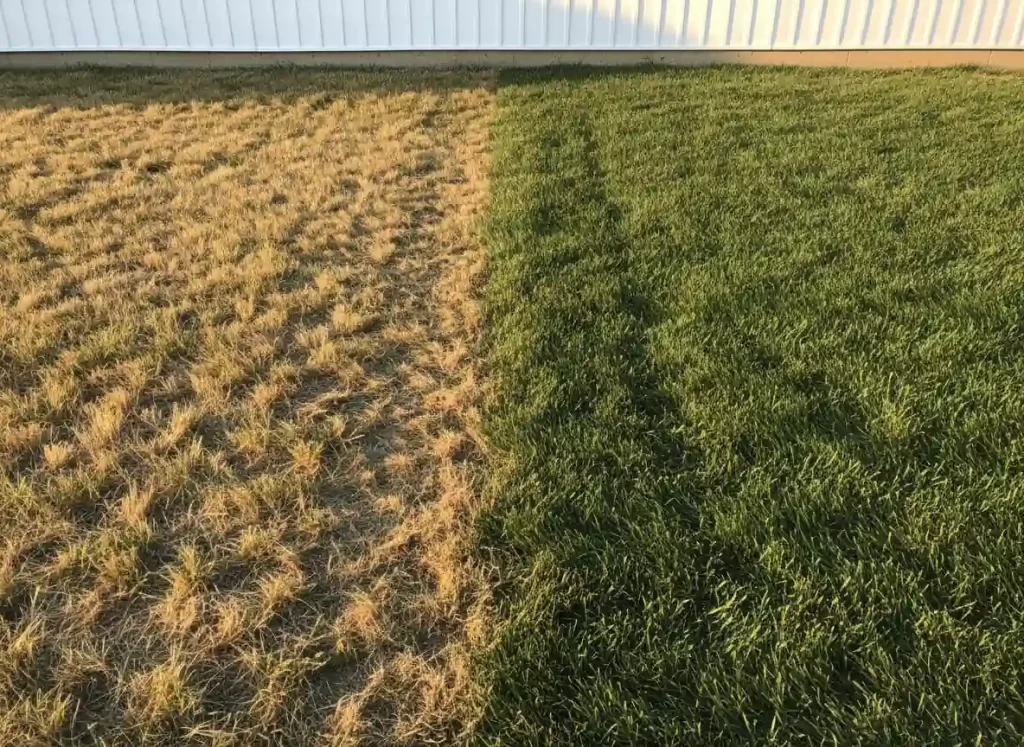
This is my secret weapon for spring yard care. A quarter-inch layer of quality compost across your whole lawn provides slow-release nutrients, improves soil structure, and actually costs less than you’d think.
I rent a compost spreader once a year – costs about 40 bucks – and do my whole 0.75-acre lot in an afternoon. The results last all season. My grass is noticeably greener, thicker, and healthier than neighbors who just use synthetic fertilizer.
Spring Lawn Equipment Checklist: Tools & Supplies
Let’s go through what you actually need for a spring lawn maintenance checklist success. I’m not talking about every fancy gadget they try to sell you on late-night TV. This is the practical stuff that genuinely makes life easier without wrecking your budget.
Essential Equipment
A Working Lawn Mower: Whether you’re using a gas pusher, a rider, or one of these modern battery mowers everybody’s switching to, it needs to be serviced and ready to go. If you’re still deciding on equipment, our guide on choosing the right type of mower can help match your yard size to the perfect machine.
String Trimmer or Edger: You cannot mow right up against obstacles. A string trimmer is absolutely non-negotiable. Battery-powered trimmers have come a really long way in the last few years. For smaller yards under half an acre, finding the best push mower for your yard size makes spring maintenance much easier.
Leaf Rake: Not a metal garden rake – you want one of those flexible fan rakes for spring cleanup. The poly ones last way longer than bamboo.
Broadcast Spreader: A basic broadcast spreader works fine for most residential lawns. I use a mid-range Scotts model that cost maybe 60 dollars five years ago, and it’s still working perfectly. Larger properties benefit from our comprehensive guide to the best riding lawn mowers that handle spring’s aggressive growth efficiently
Garden Hose and Sprinkler: Even if you’ve got an irrigation system installed, you need a hose for spot watering. Get a quality 50 to 75-foot hose that won’t kink constantly. Modern cordless electric mowers have become incredibly popular for their ease of maintenance – learn what to look for in our complete buying guide.
Best Equipment for Your Spring Lawn Care Checklist
After 15 years of testing equipment and helping thousands of homeowners prep for spring, these are the tools that consistently deliver reliable performance season after season. Whether you’re replacing worn-out equipment or starting fresh, these picks handle everything on your spring checklist without breaking the bank.
Spring Lawn Care Checklist


Greenworks 80V 21\\\" Brushless Cordless (Push) Lawn Mower (75+ Compatible Tools)


Greenworks 40V 16\\\\\\\\\\\\\\\\\\\\\\\\\\\\\\\" Cordless Lawn Mower
Hand Tools That Matter
A flat spade for edging, a soil knife for digging out weeds, and a garden rake for leveling soil. These three tools handle probably 90 percent of any handwork you need to do. Keep them clean and dry, and they’ll literally last decades.
Critical Supplies
Fresh Fuel: Buy quality gasoline and add stabilizer. Store it in an approved container away from your living spaces. I mark my gas cans with the purchase date and dump anything older than 30 days into my truck. For year-round maintenance schedules beyond spring prep, check our complete lawn mower maintenance guide that covers every season.
Spare Blades: Having a spare blade means you can swap out a dull one immediately. I keep two sharp blades for each mower I own. Knowing where to buy quality replacement parts ensures you get blades that fit properly and last.
Grass Seed: Match your existing grass type and buy more than you think you’ll need. Having it on hand when you randomly find a bare spot means you can fix it immediately.
Fertilizer: Buy enough for the whole season. Quality slow-release fertilizer costs about 40 to 60 dollars for enough to feed 5,000 square feet three times.
Optional But Helpful
A soil thermometer costs eight bucks. A moisture meter is maybe twelve dollars. A basic pH test kit is about ten dollars. These prevent expensive mistakes by taking the guesswork out of timing and treatment.
For more guidance on timing all these tasks throughout the entire year, our seasonal lawn care breaks down what to do every season in detail.
There you have it – your complete spring lawn care checklist from someone who’s spent 15 years helping homeowners get this exactly right. Spring lawn prep isn’t glamorous work, I’ll be totally honest about that. But it’s the foundation for everything that follows all season long.
Take your time with equipment maintenance. Be thorough with the cleanup, even though it’s not fun. Don’t rush into treatments before your grass is actually ready for them. And when fall arrives, make sure you winterize your equipment properly so next spring starts smoothly. The most successful spring seasons I’ve seen all have one thing in common: homeowners who followed a systematic approach instead of just reacting to every problem as it popped up.
Use this checklist, adjust timing for your specific region and climate, and you’ll set yourself up for probably the easiest, most rewarding lawn care season you’ve had. Check out our seasonal lawn care guide for detailed guidance on what to do during summer, fall, and winter, too.
Now get out there and make your neighbors jealous. You’ve absolutely got this.
Start your spring lawn care checklist when soil temperatures consistently hit 50 degrees and your grass begins actively growing – not just greening up a little, but actual new growth at the base. In most regions, this means mid-March to early April for cleanup and equipment prep. Watch your grass instead of your calendar. When you see bright green new growth happening at the base, spring has officially begun. Being a week late is way better than being a week early and having to redo work after a surprise frost.
Your spring yard clean up checklist needs to include removing all winter debris like branches and leaves, raking matted grass gently, clearing drainage paths and gutters, edging bed borders with a flat spade, inspecting for winter damage from salt or animals, and marking bare spots for repair. This should take a full weekend for most properties. I always recommend tackling cleanup before you do literally anything else with your lawn.
For gas mowers: change the oil, replace the spark plug, clean or replace the air filter, sharpen and balance the blade, drain any old fuel, and inspect belts and cables. For battery mowers: charge batteries fully, clean the deck thoroughly, sharpen blades, check motor vents, test all safety features, and clean battery contacts. Both types should get a thorough inspection before the first cut to catch small problems before they become expensive repairs.
Battery mowers need less maintenance than gas models, but aren’t maintenance-free. Charge batteries fully if they’ve been stored. Clean the mower deck inside and out. Sharpen and balance blades. Check motor vents for debris. Test all safety switches. Clean battery contacts with a dry cloth. That first charge might take longer than usual, which is completely normal after winter storage.
Yes, but go moderate with it. Apply slow-release nitrogen fertilizer when soil temperatures consistently hit 55 degrees and grass is actively growing. Use a light application of something like a 20-5-10 ratio. Don’t fertilize frozen or dormant grass. Fall is actually the most important feeding season for cool-season grasses. Test your soil first to avoid wasting money on nutrients your lawn doesn’t even need.
The most important spring lawn care tips: don’t mow too early or too short, wait until the grass reaches three inches. Leave grass clippings for free fertilizer. Water deeply once a week rather than shallowly every day. Avoid walking on wet grass to prevent compaction. Test your soil before throwing products on it. Time applications based on soil temperature, not calendar dates. Sharpen your mower blade before the season starts. Be patient – rushing spring tasks usually creates more problems than it solves.
Your mower is ready when it starts easily, runs smoothly without weird noises, the blade is sharp enough to cut paper cleanly, all safety features work properly, there’s no excessive vibration, and the deck is clean. Do a test cut on a small section before mowing the whole lawn. If the cut looks clean with no brown tips, you’re good to go. If it looks ragged, sharpen that blade again.
Essential spring lawn equipment includes a serviced lawn mower, string trimmer, flexible leaf rake, broadcast spreader, garden hose with sprinkler, basic hand tools like a flat spade and soil knife, fresh fuel or charged batteries, a spare mower blade, matching grass seed, appropriate fertilizer, and basic maintenance supplies. Optional but helpful items include a soil thermometer, moisture meter, and pH test kit. Quality basic equipment beats cheap specialty items every time.
