
Seasonal Lawn Care Guide 2025: Year-Round Mowing & Maintenance
Alright, look. I need to be straight with you about something right from the start here. Seasonal lawn care sounds like this massive, complicated thing that requires a PhD in botany or whatever, but honestly? Most people are just doing it completely wrong. When I say wrong, I mean they’re out there working against their grass instead of with it, which is kind of like trying to swim upstream while wearing concrete shoes.
Table of Contents
▼- The Calendar Myth Your Grass Doesn’t Believe
- What 15 Years Taught Me About Lawn Success
- Why Seasonal Lawn Care Matters: Understanding Year-Round Maintenance
- Cool Season vs. Warm Season: The Great Divide in Lawn Care
- When Everything Flips Backwards
- Working With Biology, Not Against It
- Spring Lawn Care: Essential Tasks for Healthy Growth
- The Biggest Spring Mistake Everyone Makes
- Patience: The Hardest Spring Lesson
- Soil Temperature: The Real Spring Trigger
- Early Spring Tasks (When Soil Hits 50°F)
- Mid-Spring: Active Growth Phase
- Late Spring: Establishing Good Habits
- The Over-Watering Trap
- Summer Lawn Care: Maintaining Health During Peak Season
- The Summer Mindset Shift
- Cool-Season Summer Strategy
- Universal Summer Maintenance
- Fall Lawn Care: Preparing Your Lawn for Winter
- Why Fall Is Prime Time for Seasonal Lawn Care
- Fall Lawn Seeding: The 900% Growth Trend
- Complete Fall Maintenance Schedule
- Equipment That Makes Seasonal Maintenance Easier
- Why Fall Seeding Is Exploding in Popularity
- Winter Lawn Care: Dormancy Management & Protection
- The Hidden Season in Seasonal Lawn Care
- For Dormant Cool-Season Lawns
- Universal Winter Tasks
- Final Thoughts: Your Year-Round Seasonal Lawn Care Success Plan
- The Real Secret to Great Lawns
- Start Where You Are
My first few years as a homeowner were… rough. I treated my lawn like it was some kind of robot that just needed fuel and occasional maintenance. Mow when it’s tall, throw down some fertilizer when I remember to buy it, and water whenever I feel like it. My yard looked like someone had tried to piece together a quilt while blindfolded. Not great.
The Calendar Myth Your Grass Doesn’t Believe
Here’s the thing about seasonal lawn care that literally nobody explains properly (and this drove me crazy when I was learning): your grass doesn’t care even a little bit about what your calendar says. March 20th might officially be “spring” according to some system humans invented, but your Kentucky bluegrass is sitting there completely dormant, waiting for soil temperature to actually hit 50 degrees before it even considers waking up.
I’ve watched my neighbors sprint outside with bags of fertilizer during a random warm week in early March, all excited and ready to go, only to watch their overstimulated grass get absolutely destroyed by a hard freeze two weeks later. Don’t be that person. I was that person in year two, and let me tell you, my wife still brings it up at parties.
What 15 Years Taught Me About Lawn Success
In my 15 years working in this industry, helping what’s probably thousands of homeowners at this point, I’ve noticed something really interesting. The people with those magazine-perfect lawns, the ones that make you slow down when you drive past? They’re not spending more money than everyone else.
They’re definitely not out there every single day obsessing over every blade of grass. They’re just doing specific things at specific times. That’s literally it. The whole secret, if you can even call it a secret.
This guide right here is going to walk you through the entire year. Every season, what your grass actually needs versus what the marketing people at the big box stores are trying to convince you to buy. By the time we’re done here, you’ll know exactly what to do in spring when everything outside is muddy and wet. You’ll understand summer maintenance, which honestly is really just about not making things worse. You’ll learn why fall is secretly the absolute most important season. And winter? Yeah, we’ll cover that too.
Why Seasonal Lawn Care Matters: Understanding Year-Round Maintenance
For the longest time, I genuinely thought lawn care was just “cut it when it gets too shaggy looking.” That was my entire philosophy. My lawn looked… I don’t know, fine? Sort of? It was greenish most of the year, had these random brown patches that would show up in summer, and got weedy in certain spots.
Then I started working at this equipment dealer, and there was this old guy there named Jim who’d been doing professional turf management for like 30-something years. One day, he pulls me aside and says something that legitimately changed my entire perspective: “Your grass has a calendar built right into its DNA.”
Cool Season vs. Warm Season: The Great Divide in Lawn Care
Seasonal lawn care matters because grass isn’t just sitting there being green and looking pretty. It’s actively doing completely different things depending on what’s happening with soil temperature, how much daylight there is, moisture availability, all sorts of factors.
Cool-season grasses (that’s your fescues, your bluegrass, your ryegrass)are basically like marathon runners who train really hard in spring and fall. Those are their peak times. Summer for them? That’s not growth season, that’s survival season. They’re stressed out, trying desperately not to die, just conserving whatever energy they have. Winter is like their recovery time.
Understanding these patterns is fundamental to effective seasonal lawn care. Without this knowledge, you’re basically guessing, and guessing rarely produces results.
When Everything Flips Backwards
But here’s where it gets genuinely weird: warm season grasses like Bermuda, zoysia, St. Augustine grass care, all those southern varieties, they’re opposite. Like, totally backwards.
They’re dormant and brownish-looking when cool-season grass is absolutely thriving. Then summer hits, and suddenly they explode with this crazy growth while your Kentucky bluegrass up north is barely hanging on for dear life.
This is why seasonal lawn care can’t be one-size-fits-all. Your neighbor’s approach might be completely wrong for your grass type.
Working With Biology, Not Against It
I’ve got these two neighbors, right? Identical lots. Same soil, same sun exposure, same grass type. One guy’s lawn looks like something you’d see at a professional golf course. I’m talking absolutely perfect. The other guy’s lawn looks perpetually struggling.
The crazy thing? The difference isn’t money. The guy with the sad-looking lawn actually spends MORE because he’s constantly trying to fix problems that keep popping up. The difference is purely timing.
In my experience, people who actually follow seasonal lawn care principles consistently spend less total time, definitely less money, and get dramatically better results. You’re working alongside biology instead of constantly fighting against it. That’s really the whole game right there.
Spring Lawn Care: Essential Tasks for Healthy Growth
Spring is honestly my absolute favorite time of year for lawn stuff. There’s something about watching grass wake up from winter dormancy that never gets old, even after doing this professionally for 15 years.
The Biggest Spring Mistake Everyone Makes
But here’s where I see people absolutely murder their lawns every single spring without fail: they get way too excited way too early. You’ve been stuck inside all winter, and then suddenly there’s this first warm weekend in March and you’re like “YES, IT’S LAWN TIME.”
You drag everything out of the garage, you’re ready to mow and fertilize and do all the things. Stop. Just… stop right there.
This is where spring lawn care goes wrong for most people. The timing is off by weeks, sometimes even a full month, and that difference matters enormously.
Patience: The Hardest Spring Lesson
Spring lawn care actually starts with patience, which is super ironic because spring is literally when you have the least patience. In my second year of owning my home, I saw one random warm week in early March. I dragged my mower out, mowed the entire lawn down to maybe 2 inches, threw down a bunch of fertilizer, and really went to town on the whole property.
Then about two weeks later, we got hit with a genuinely hard freeze, and my overstimulated grass looked like someone had literally taken a blowtorch across the entire yard. My wife genuinely still brings this up at parties. “Remember when Mike killed the lawn in March?” Yeah. Thanks, honey.
Soil Temperature: The Real Spring Trigger
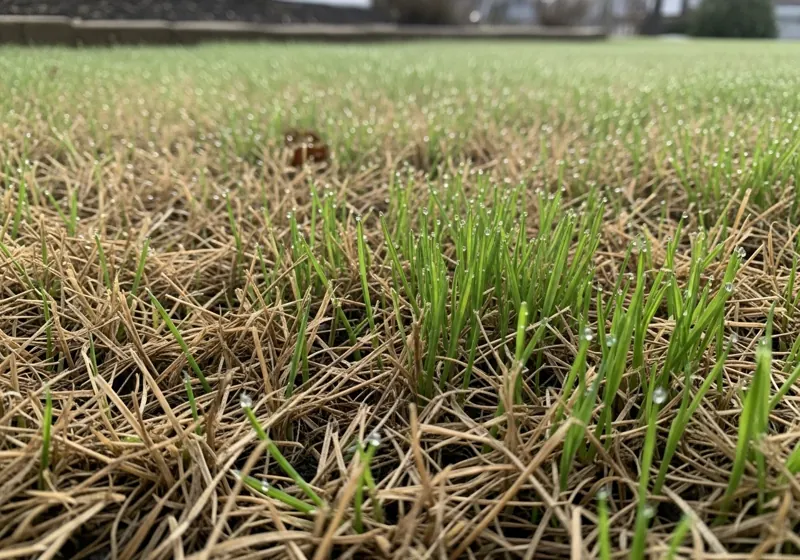
Here’s what most spring lawn care guides won’t tell you: forget the calendar entirely. What matters is soil temperature, and you can measure that with a simple $15 soil thermometer from any garden center.
Stick it in the ground about 2 to 3 inches deep in the morning. Check it for three consecutive days. When it consistently reads 50 degrees F or above, THAT’S when spring starts for your lawn. Not March 20th. Not when the weather feels nice. When the soil says so.
Early Spring Tasks (When Soil Hits 50°F)
Light Raking for Winter Cleanup
First thing you do is rake, but gently. You’re not trying to destroy your lawn or rip everything up; you’re just carefully removing winter debris and dead grass that accumulated. I use just a regular leaf rake with pretty light pressure.
Think of this as waking your lawn up gently, not shocking it awake. Proper spring lawn care respects the grass’s natural emergence from dormancy.
Core Aeration for Compacted Soil
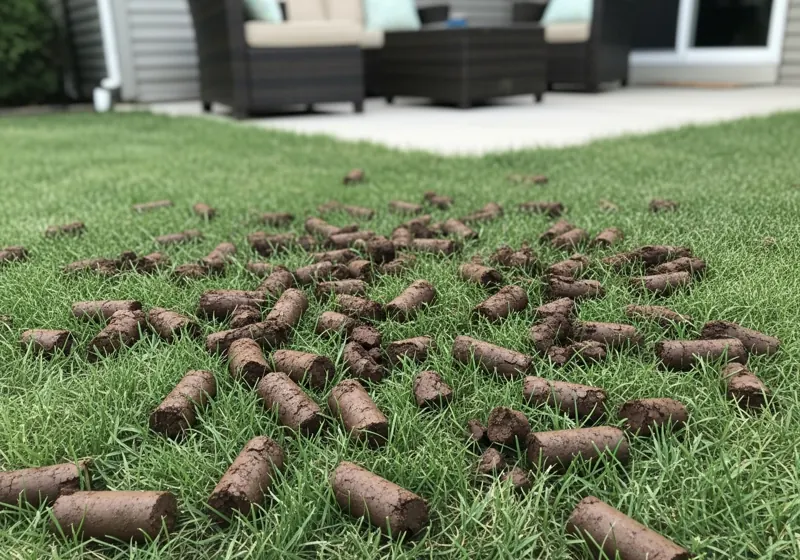
Core aeration is absolutely critical if your soil is compacted, which it probably is if you have clay soil or get any kind of heavy foot traffic at all. I aerate every single spring without fail because my Ohio clay soil basically turns into literal concrete over winter.
The plugs look super messy for about a week, then they gradually break down, and suddenly water is actually penetrating down into the soil instead of just running off the surface.
This is non-negotiable spring lawn maintenance if you have compacted soil. I’ve seen lawns transform within one season just from proper aeration.
Mid-Spring: Active Growth Phase
Fertilizer Application Done Right
Now we finally fertilize. Use a slow-release fertilizer with something like a 3-1-2 or 4-1-2 ratio. I’ve seen this exact mistake, probably literally a thousand times by now: people grab the “quick green” bag with super high nitrogen content because they desperately want instant results.
Their lawn looks absolutely amazing for about three weeks, then completely crashes hard. It’s basically like drinking six espressos in a row. You get this massive spike, then you crash really hard.
Proper spring lawn treatment uses slow-release nitrogen that feeds grass steadily over 6 to 8 weeks. Your lawn stays consistently green instead of spiking then crashing.
Pre-Emergent Herbicide Timing
This is also your narrow window for pre-emergent herbicide if crabgrass is your nemesis (and it probably is). You want soil temperature consistently above 55 degrees, but absolutely BEFORE you see any actual crabgrass sprouting up.
In my area, that’s usually mid-April, but your specific timing will definitely vary depending on where you live. This is where spring lawn care timing becomes absolutely critical. Apply pre-emergent too early, and it breaks down before crabgrass germinates. Too late, and you’ve already got crabgrass sprouting.
Overseeding Bare Patches
Overseeding bare patches happens right now, too, but only after soil temps hit that 50 to 60 degree range consistently. For smaller spots, I just hand-seed and rough up the soil surface with a garden rake first. Keep those seeds consistently moist for about 2 to 3 weeks, or they’ll literally just sit there doing absolutely nothing.
Late Spring: Establishing Good Habits
Proper Mowing Height Matters
Start your regular mowing schedule with blades set at a solid 3 to 3.5 inches. Do NOT scalp your lawn down in spring, even though that super clean “golf course” look is really tempting. Taller grass genuinely develops deeper, stronger roots and handles summer stress so much better.
This is fundamental spring lawn maintenance: set your mowing height now, and it pays dividends all summer long.
Before diving into spring care, make sure you’re choosing the right lawn mower for your yard size and terrain. The right equipment makes following this seasonal schedule dramatically easier, and our comprehensive guide helps match mower type to your specific property needs.
The Over-Watering Trap
The single biggest spring mistake I see constantly? Over-watering. Spring typically brings plenty of natural rain in most climates. Your grass needs about an inch per week total, and that’s from rain AND any irrigation you’re doing combined.
I watch my neighbors water every single day throughout spring, while their grass develops these really pathetic shallow roots because it literally never has to search deeper for moisture. Then summer hits hard, and suddenly they’re watering twice a day, desperately trying to keep their grass alive.
Summer Lawn Care: Maintaining Health During Peak Season
Summer is genuinely when seasonal lawn care separates the casual homeowners from the people who actually care deeply about this stuff. It’s brutally hot outside, you’re busy with other life things, and honestly, all you really want to do is sit in the shade with a cold drink.
The Summer Mindset Shift
But here’s what I tell literally everyone who comes into the garden center during summer months: you’re not trying to actively make your lawn better in summer. That’s not the goal. You’re mainly just trying not to make things actively worse. That’s your whole strategy. Maintain what you have, don’t try to improve.
This mindset shift is crucial for successful summer lawn care. Stop thinking about improvement and start thinking about preservation.
Cool-Season Summer Strategy
Raise Your Mowing Height
Raise your mowing height to a solid 3.5 to 4 inches. I’ve seen this exact mistake so many times: people think short grass looks neater and cleaner, so they drop their mower deck way down to 2 inches in the middle of July.
Then they’re completely confused about why their lawn turns brown and weeds suddenly take over. Taller grass naturally shades the soil, develops way deeper root systems, and stays visibly greener for longer.
This single adjustment in summer lawn care makes more difference than anything else you can do.
Deep Watering Technique
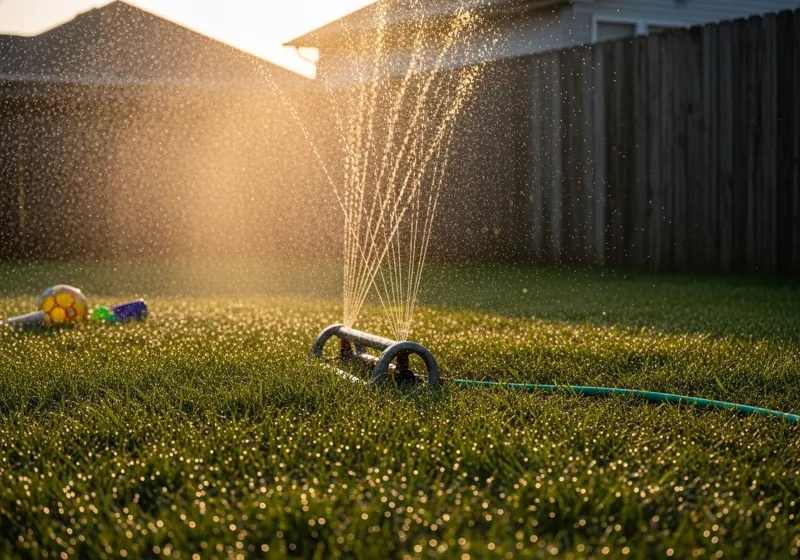
Water deeply but infrequently. This is absolutely critical, and most people genuinely get it completely backwards. Your lawn needs roughly 1 to 1.5 inches per week total in summer, but HOW you actually deliver that water matters enormously.
I personally water twice a week, early morning between about 5 and 8 AM, for roughly 45 minutes per zone. That gets water down a solid 6 to 8 inches deep, where roots actually need it most. Daily light surface watering? That just creates really shallow, weak roots.
Here’s the science behind proper summer lawn care watering: deep, infrequent watering trains roots to grow deep, searching for moisture. Shallow, frequent watering trains roots to stay near the surface.
The EPA’s WaterSense program recommends early morning watering to minimize evaporation and fungal disease, supporting both water conservation and lawn health.
Skip Summer Fertilizer
Skip fertilizer completely during peak summer heat. I don’t fertilize cool-season lawns at all from mid-June straight through mid-August, full stop, no exceptions. The grass is in pure survival mode, absolutely not growth mode.
The nitrogen forces grass to put energy into top growth when it should be conserving energy for survival. Smart summer lawn care means knowing when to do nothing.
Universal Summer Maintenance
Keep Blades Sharp
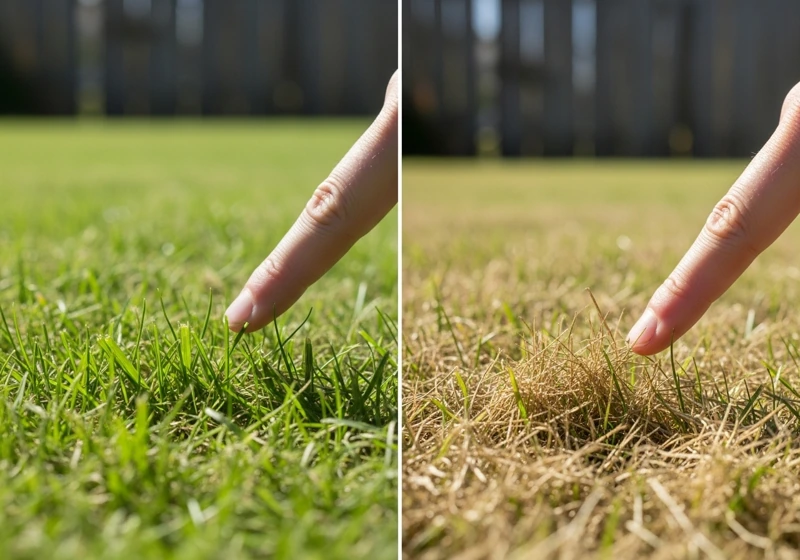
Keep your mower blade legitimately sharp using our step-by-step blade sharpening guide. I sharpen mine personally every 4 to 6 weeks during active mowing season. A dull blade doesn’t actually cut grass cleanly; it tears and rips it, leaving these ragged edges that turn brown quickly and invite disease. Beyond sharpening, choosing the right lawn mower blade for your grass type makes a noticeable difference in cut quality.
Blade sharpness is one of those summer lawn care factors that seems minor but makes a massive visual difference.
For larger properties where summer mowing becomes tedious, zero turn mowers dramatically reduce mowing time, while self-propelled models make frequent summer cutting less physically demanding on smaller yards. The right mower type transforms summer maintenance from exhausting to manageable.
Leave Clippings on the Lawn
Leave grass clippings right on the lawn unless they’re so ridiculously thick they’re actually smothering the grass underneath. Clippings decompose really quickly and return valuable nitrogen back to the soil. Free fertilizer basically.
Grass clippings return about 25% of your lawn’s nitrogen needs. That’s significant. Good summer lawn care takes advantage of this free resource through proper gas lawn mower mulching techniques that maximize nutrient return while preventing thatch buildup.
Fall Lawn Care: Preparing Your Lawn for Winter
Fall is absolutely hands-down the single most important season for seasonal lawn care, and most homeowners completely miss this massive opportunity.
Why Fall Is Prime Time for Seasonal Lawn Care
Let me explain exactly why fall lawn care matters so incredibly much: cool-season grasses naturally go into this second major growth surge in fall. Air temperature cools down nicely, but the soil is still genuinely warm from summer, and the overall conditions are absolutely perfect for serious root development.
Meanwhile, most weeds are naturally winding down for winter. It’s genuinely like nature just gives you this perfect three-month window to fix literally everything that went wrong during summer.
This is the season where seasonal lawn care expertise makes the biggest difference. Get fall right, and spring becomes easy.
Fall Lawn Seeding: The 900% Growth Trend
Let’s talk specifically about fall lawn seeding, which is genuinely blowing up right now in search trends (seriously, the interest has literally exploded by something like 900% in just the last few months). Fall is absolutely, hands-down, no contest whatsoever, the single best time to seed cool-season lawns.
Why Fall Seeding Works So Well
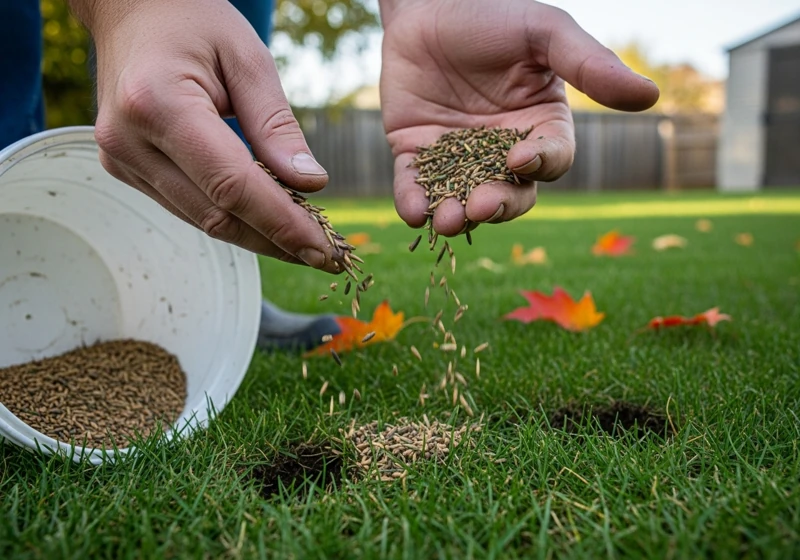
Here’s exactly why fall lawn seeding works so ridiculously well:
Soil temperatures are sitting perfectly in that ideal 50 to 65 degree range. Weed competition is minimal because crabgrass is actively dying, not germinating fresh. Cool, naturally moist fall conditions mean seeds don’t dry out and die before germinating.
And grass has literally all fall plus all winter to establish really deep, strong root systems before facing brutal summer stress next year.
Compare this to spring seeding, where new grass gets maybe 8 weeks to establish before facing 90-degree heat. Fall-seeded grass gets 6 to 9 months to develop roots before its first summer.
My Fall Seeding Timeline
Early September in northern climates (zones 3 through 6 according to the USDA Plant Hardiness Zone Map) or mid-October in southern transitional zones (7 through 8) is absolute prime time. You’re basically shooting for about 6 to 8 weeks before your first expected hard freeze in your area (check your local National Weather Service forecast for accurate freeze date predictions).
This timing makes fall lawn seeding so much more successful than spring attempts. The grass has time to establish before winter, but doesn’t face immediate stress like spring-seeded grass does.
Complete Fall Maintenance Schedule
Early Fall Tasks (September)
Core Aeration
Core aerate if you didn’t already do it back in spring. Actually, fall aeration is genuinely better than spring aeration because you immediately follow with seeding, and grass has plenty of time to recover before winter.
Aeration is one of those fall lawn care tasks that transforms lawns. Those little holes let water, air, and nutrients penetrate compacted soil.
Fall Fertilizer Application
Apply fall fertilizer with notably higher nitrogen content. I use a winterizing formula, something like 22-3-14 or a similar ratio, that specifically encourages root growth.
This fall fertilizer application is probably the single most important feeding of the entire seasonal lawn care calendar. The grass uses that nitrogen to build massive root systems and store energy for winter.
Equipment That Makes Seasonal Maintenance Easier
Speaking of making fall maintenance easier, having the right equipment transforms seasonal lawn care from exhausting to manageable. After 15 years testing mowers across all four seasons, these are the models that consistently handle everything from spring’s aggressive growth to fall’s leaf-covered lawns. I’ve personally tested or extensively researched each of these mowers. They represent the best options across different budgets and yard sizes, all capable of handling the demanding seasonal schedule we’ve covered in this guide.
Seasonal Lawn Mowers


Greenworks 40V 16\\\\\\\\\\\\\\\\\\\\\\\\\\\\\\\" Cordless Lawn Mower
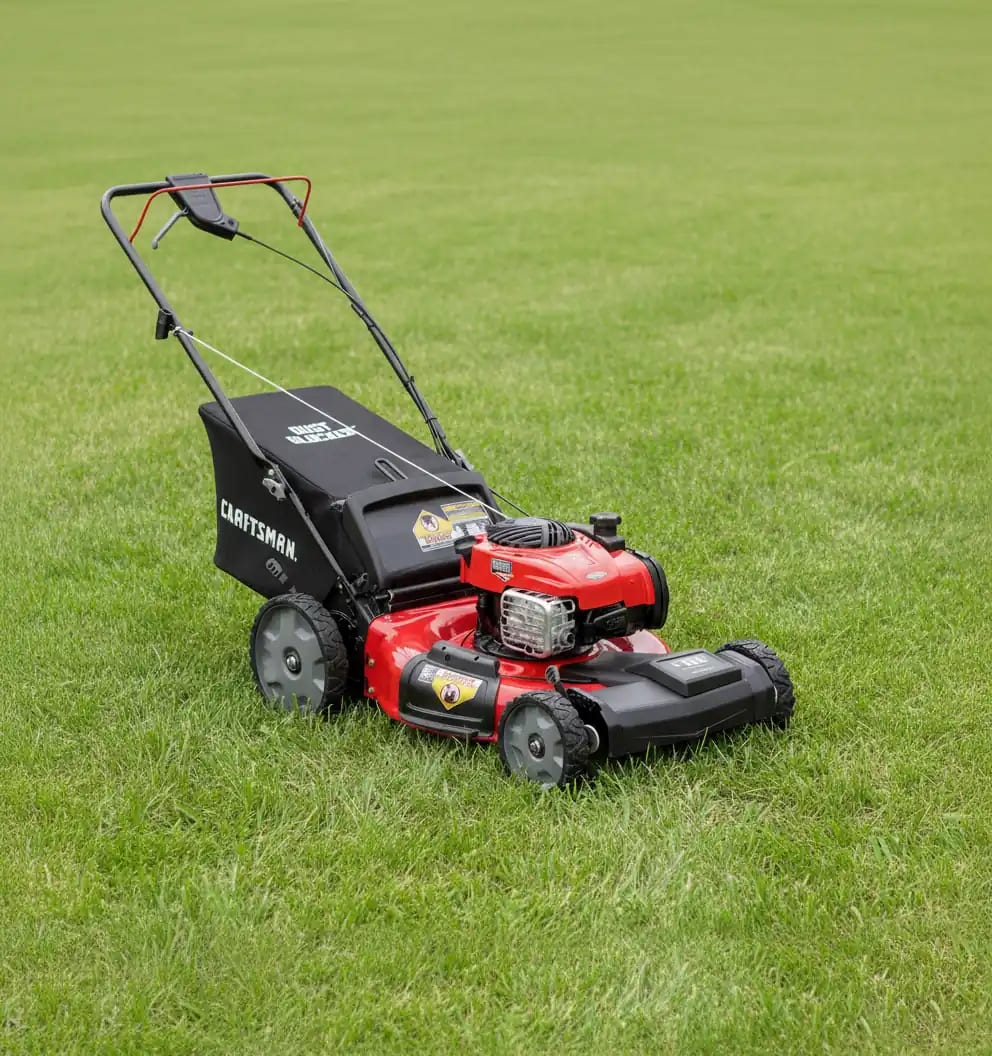
The right mower doesn’t just make maintenance easier, it actually helps you stick to the seasonal schedule. When mowing is less physically demanding, you’re more likely to maintain proper cutting height and frequency throughout the year.
Overseeding Strategy
Overseed all thin areas immediately right after aerating. The fresh aeration holes are literally perfect little pockets for seeds to nestle into.
Combining aeration with fall lawn seeding multiplies your success rate. The holes provide perfect seed beds.
Mid-Fall Tasks (October)
Continued Mowing
Continue mowing regularly as long as the grass is actively growing. I gradually lower my cutting height from 3.5 inches in summer down to about 2.5 to 3 inches for the final cut.
This gradual height reduction is smart fall lawn care. Don’t drop from 4 inches to 2 inches in one cut.
As temperatures drop and you prepare for winter, proper equipment care becomes critical. Follow our detailed guide on how to winterize your lawn mower to ensure a reliable spring startup. Additionally, understanding the importance of cleaning your lawn mower before storage prevents rust and costly repairs during the off-season.
Leaf Management
Rake leaves regularly and consistently. Don’t let thick leaf layers sit on grass for weeks at a time. I’ve personally seen entire large sections of lawn completely smothered under matted leaves.
Leaf management is crucial for fall lawn care. A thin layer of leaves mulched with your mower returns nutrients to the soil. A thick mat of leaves blocks light and air, killing grass underneath.
Why Fall Seeding Is Exploding in Popularity
The fall lawn seeding opportunity is so absolutely huge right now because homeowners are finally understanding that spring genuinely isn’t the right time to fix a damaged lawn; fall is. I’ve personally seen lawns go from maybe 60% coverage with bare patches everywhere to 95% thick, absolutely lush coverage in literally one fall season.
Your mower choice also impacts fall maintenance efficiency. Whether you’re using a gas lawn mower for larger areas or considering cordless electric mowers for smaller spaces, proper seasonal maintenance extends equipment life. For those interested in reducing environmental impact, explore our guide to eco-friendly lawn mowers that deliver performance with sustainability.
You literally cannot achieve those same results in spring because brutal summer stress hits before grass fully establishes deep roots.
Winter Lawn Care: Dormancy Management & Protection
Most people think winter lawn care means doing absolutely nothing until spring arrives. But here’s what I tell customers: the things you do, or more importantly DON’T do, in winter directly impact how your lawn looks come April.
The Hidden Season in Seasonal Lawn Care
Winter lawn care is mainly about protection and planning, not active maintenance like mowing and fertilizing. Your grass is either dormant or growing very slowly. Either way, it’s vulnerable to damage in ways that don’t happen during active growth.
Understanding winter’s role in seasonal lawn care separates knowledgeable homeowners from people who wonder why their lawn looks terrible every spring.
For Dormant Cool-Season Lawns
Avoid Traffic on Frozen Grass
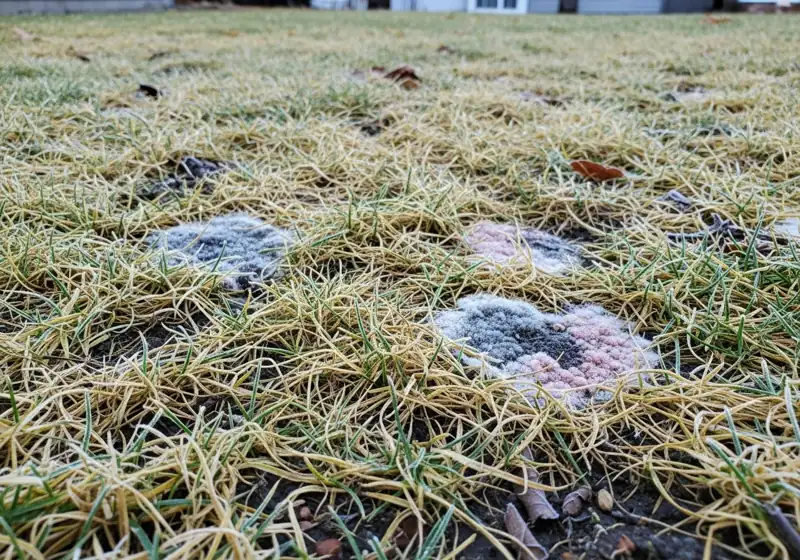
Stay off the grass when it’s frozen or snow-covered. I cannot stress this enough. Foot traffic on frozen grass breaks the blades and can actually kill crowns. I’ve watched neighbors create permanent brown walking paths across their lawns by repeatedly walking the same route all winter.
This is probably the most important rule of winter lawn care in cold climates. Frozen grass is brittle. Walking on it literally snaps the blades and crushes the crowns.
Salt and De-Icer Damage
Don’t pile snow from driveways onto lawn edges if it contains road salt or de-icer. I’ve killed more grass strips along my driveway with salt-contaminated snow than I care to admit.
Salt damage is one of the sneakiest problems in winter lawn care. You don’t see it happening during winter. Come spring, suddenly you have these dead brown strips.
Universal Winter Tasks
Equipment Maintenance and Planning
Clean and service equipment during downtime following our complete lawn mower maintenance and troubleshooting guide that covers everything from blade sharpening to engine care. Change oil using the procedures in our lawn mower oil change guide, sharpen blades, and replace worn parts. Plan next year’s seasonal lawn care calendar. Review what worked and what didn’t.
This planning and maintenance is where winter lawn care really pays off. You’re preparing for next season while you have time to think clearly.
Soil Testing Season
Get a soil test done. Most university extension services process soil tests year-round, and results tell you exactly what your lawn needs for spring amendments. Winter is also perfect for researching equipment upgrades. Our lawn mower comparison guide helps you evaluate options before the spring purchasing season, when prices are higher.
Winter is actually the perfect time for soil testing because labs aren’t busy with the spring rush.
Final Thoughts: Your Year-Round Seasonal Lawn Care Success Plan
After 15 years of doing this work, helping thousands of homeowners, here’s what I know for absolute certain about seasonal lawn care: it honestly isn’t that complicated, but it genuinely does require paying attention to timing.
The Real Secret to Great Lawns
The homeowners with the absolute best lawns aren’t spending the most money. They’re not out there every single day obsessing. They’re just doing the right specific things at the right specific moments. That’s literally the entire secret of successful seasonal lawn care.
You just need to understand that spring lawn care wakes things up, summer lawn care maintains through stress, fall lawn care builds strength for next year, and winter lawn care protects everything. Master those four phases and you’re honestly 90% of the way there.
Start Where You Are
Start with one season done really well. If you’re reading this in September, focus on nailing the fall lawn maintenance schedule, particularly that crucial fall lawn seeding window. If it’s March, get your spring lawn treatment timing right.
My lawn honestly isn’t perfect. Max the golden retriever makes sure of that with his digging projects. But it’s healthy, resilient, looks great, probably 10 months out of the year. That’s what proper seasonal lawn care delivers.
If your current equipment is struggling to keep up with this seasonal maintenance schedule, it might be time to evaluate your options. Our comprehensive guides on the best riding lawn mowers and best push mowers help you find the perfect match for your yard size and seasonal care routine.
You’ve totally got this. Start with whatever season you’re in right now, follow these seasonal lawn care guidelines, and you’ll see legitimate improvement within weeks. Your neighbors will be asking for advice before you know it.
Now get out there and apply these seasonal lawn care principles. Your lawn will thank you.
After helping literally thousands of homeowners over 15 years, here’s my simplified seasonal lawn care checklist: In spring, rake debris, aerate soil, overseed bare spots, apply pre-emergent, start mowing, and service equipment. During summer, maintain proper mowing height, water deeply but infrequently, keep blades sharp, and monitor for pests. Fall requires aerating again, overseeding aggressively, applying fall fertilizer, continuing to mow, raking leaves, and winterizing equipment. In winter, stay off frozen grass, plan next season, service equipment, protect high-traffic areas, and get a soil test. The key thing in seasonal lawn care is timing these tasks correctly for your specific grass type and climate zone.
Fall lawn seeding works best when soil temperatures are between 50 to 65 degrees F and you have at least 6 to 8 weeks before the first hard freeze—in northern climates that’s typically early to mid-September, while in transitional zones you can push to late September or mid-October. The explosion in fall lawn seeding interest reflects homeowners discovering what professionals have known for decades: fall is prime time for cool-season grass establishment.
For cool-season grasses, mow every 5 to 7 days during peak spring growth, every 10 to 14 days when summer growth slows, and every 7 to 10 days when fall growth picks up again. But here’s what I actually tell customers: don’t mow by the calendar, mow by grass height—when grass reaches one-third taller than your target height, it’s time to mow. This observation-based approach to seasonal lawn care mowing works better than rigid schedules.
