
Choosing the Right Lawn Mower Blade: Types and Guide
So your lawn looks like it went through a paper shredder instead of getting a nice, clean cut? I’ve been there – and honestly, most of the time it comes down to having the wrong blade for your grass type and mowing conditions. After 15 years running a lawn care business and testing more mower blades than I care to count, I can tell you that the blade is the most overlooked part of lawn mower maintenance.
Table of Contents
▼- Understanding Lawn Mower Blade Basics
- Standard Lift Blades: The Reliable Workhorse
- High Lift Blades: Maximum Suction and Bagging Power
- Low Lift Blades: Gentle on Grass, Easy on Engines
- Mulching Blades: The Recycling Champions
- Gator Blades: The Heavy-Duty Option
- How to Choose the Right Blade for Your Situation
- Blade Maintenance: Keeping Them Sharp
- Common Blade Problems and Solutions
- Installation and Safety Tips
- The Bottom Line on Blade Selection
Here’s the thing nobody tells you: your mower deck might be perfectly fine, your engine could be purring like a kitten, but if you’ve got the wrong blade or a dull one, your lawn’s going to look rough no matter what. Let me walk you through everything you need to know about lawn mower blades so you can get that crisp, professional-looking cut you’re after.
Understanding Lawn Mower Blade Basics
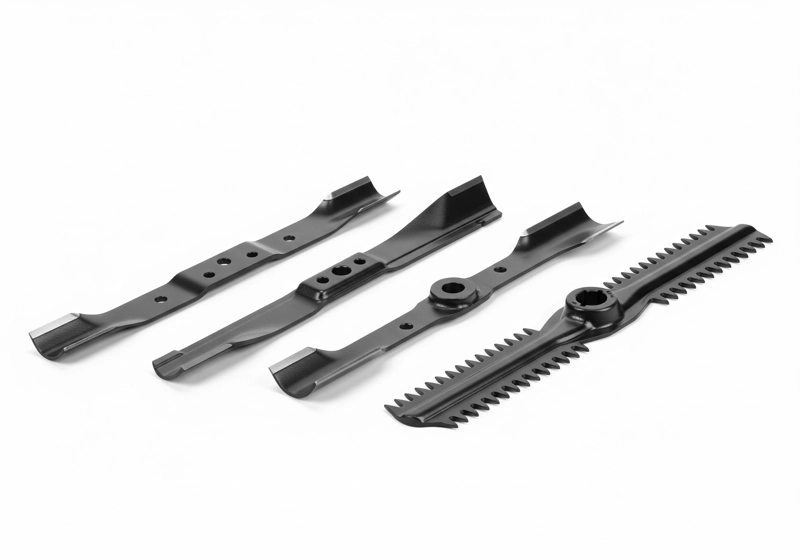
Before we dive into the different types, let’s cover some fundamentals. Mower blades aren’t just spinning pieces of metal – they’re precision-engineered tools designed to create airflow that lifts grass before cutting it cleanly. The shape, angle, and sharpness all work together to determine how your lawn looks after mowing.
Most residential mowers use blades that are 20 to 22 inches long, though this varies by deck size. The blade attaches to your mower’s spindle with a bolt, and it should have a slight upward angle (called “lift”) to create the suction that pulls grass up for cutting.
Now, you might be thinking, “Jake, a blade is a blade, right?” Wrong. The type of blade you choose can dramatically affect your mowing results, and I learned this the hard way when I destroyed a customer’s Bermuda grass lawn with the wrong blade type back in 2019.
Standard Lift Blades: The Reliable Workhorse
Standard lift blades – sometimes called “2-in-1” blades – are what come on most mowers from the factory. These blades have a moderate lift design that works well for regular mowing conditions. They cut grass cleanly and provide decent bagging performance without being too aggressive.
Best for:
- Mixed grass types
- Weekly mowing schedules
- General-purpose lawn maintenance
- Most residential applications
The lift on these blades creates enough airflow to stand grass up for cutting while still allowing clippings to discharge smoothly. If you’re maintaining a typical suburban lawn with regular mowing, these blades will serve you well.
I recommend standard lift blades for most homeowners because they’re forgiving. You won’t get into trouble with these like you might with more specialized blade types. They typically cost between $15-30 each, and you can find them at any Home Depot or Lowe’s.
High Lift Blades: Maximum Suction and Bagging Power
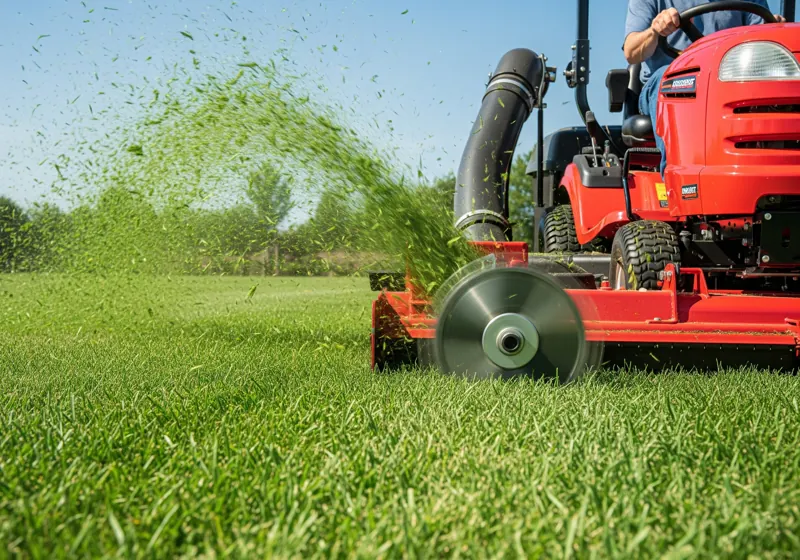
High lift blades have more aggressive upward angles on their ends, creating significantly more airflow and suction. These blades excel at lifting grass before cutting and are fantastic for bagging operations.
When to choose high lift blades:
- You primarily bag your clippings
- Dealing with thick, dense grass
- Mowing less frequently (bi-weekly schedules)
- Working with tall grass or overgrown areas
The increased suction comes with trade-offs, though. High lift blades require more engine power to operate effectively, which means more fuel consumption and potentially shorter engine life if your mower isn’t powerful enough. They also tend to blow debris around more, which can be problematic if you’re mowing near flower beds or parked cars.
I use high-lift blades on my commercial zero-turn when I’m cleaning up neglected properties. The extra suction power is worth the increased fuel cost in those situations. For residential use, consider them if you have a mower with at least 20 horsepower and you do a lot of bagging.
Low Lift Blades: Gentle on Grass, Easy on Engines
Low lift blades have minimal upward angle and create less suction. While this might sound like a disadvantage, these blades have their place, especially in specific grass types and conditions.
Perfect for:
- Bermuda grass and other low-growing varieties
- Sandy soil conditions
- Older mowers with less powerful engines
- Frequent mowing (2-3 times per week)
The reduced airflow means these blades won’t stress your grass as much during cutting. This is particularly important with warm-season grasses like Bermuda, which can be damaged by excessive suction. Low lift blades also require less power to operate, making them ideal for smaller engines.
Don’t overlook these blades if you’re dealing with dusty conditions. The reduced airflow means less dust getting kicked up, which is a blessing if you’re mowing in drought conditions or have sandy soil.
Mulching Blades: The Recycling Champions
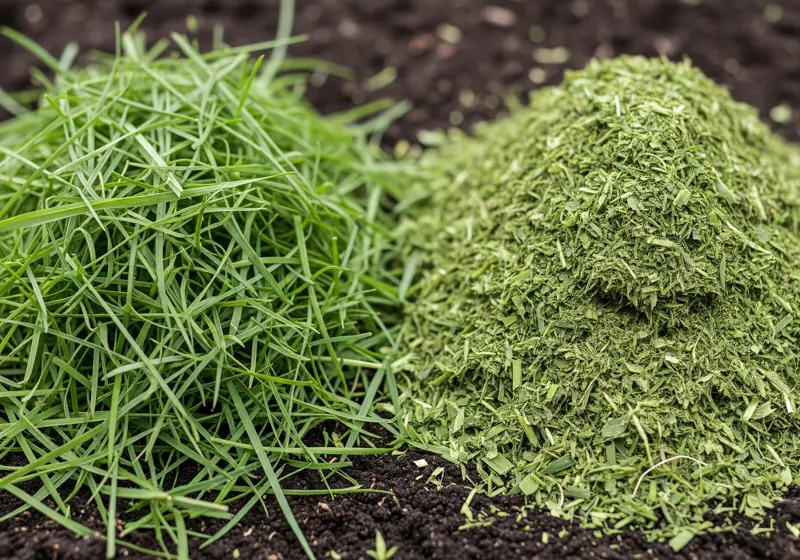
Mulching blades – sometimes called “3-in-1” blades – are designed with curved cutting surfaces and additional cutting edges to chop grass clippings multiple times before they settle back onto your lawn.
Key features:
- Multiple cutting surfaces
- Curved design keeps clippings in the deck longer
- Produces finely chopped clippings that decompose quickly
- Reduces the need for fertilizer by recycling nutrients
Mulching blades work by keeping clippings airborne longer, giving them more chances to get cut into smaller pieces. The result is tiny clippings that fall between grass blades and decompose quickly, returning nutrients to your soil.
Here’s what I tell customers about mulching: it only works well if you’re mowing regularly and not removing more than one-third of the grass height. Try to mulch overgrown grass, and you’ll end up with clumps that smother your lawn and create brown patches.
I’ve been using mulching blades on my lawn for three years now, and I’ve noticed less need for fertilizer. The key is consistency – you can’t skip a week and expect good results.
Gator Blades: The Heavy-Duty Option
Gator blades combine features of high lift and mulching blades, with serrated edges and aggressive lift design. These blades are popular among lawn care professionals for their versatility and durability.
Advantages:
- Superior mulching performance
- Excellent for leaves and debris
- Long-lasting due to multiple cutting edges
- Good bagging performance
Considerations:
- More expensive ($25-45 each)
- Require adequate engine power
- Can be aggressive on tender grass types
I run Gator blades on two of my commercial mowers because they handle whatever I throw at them – whether it’s thick grass, fallen leaves, or small twigs. For homeowners, they’re worth considering if you have a powerful mower and deal with a lot of debris beyond just grass.
How to Choose the Right Blade for Your Situation
Selecting the right blade depends on several factors:
Your grass type matters. Cool-season grasses like fescue and bluegrass can handle higher lift blades, while warm-season grasses like Bermuda often do better with lower lift options.
Consider your mowing frequency. Weekly mowing works well with standard or low lift blades. If you’re more of a bi-weekly mower, high lift blades will handle the taller grass better.
Think about what you do with clippings. Bagging requires high-lift blades for best results. Mulching demands specialized mulching blades. Side discharge works with any blade type, but standard lift offers the best balance.
Engine power is crucial. Don’t put high lift blades on a mower that struggles with standard blades. You’ll just bog down the engine and get poor results.
Local conditions count. Dusty areas benefit from low lift blades. Properties with lots of leaves need mulching or Gator blades. Thick, dense grass requires high lift blades.
Blade Maintenance: Keeping Them Sharp
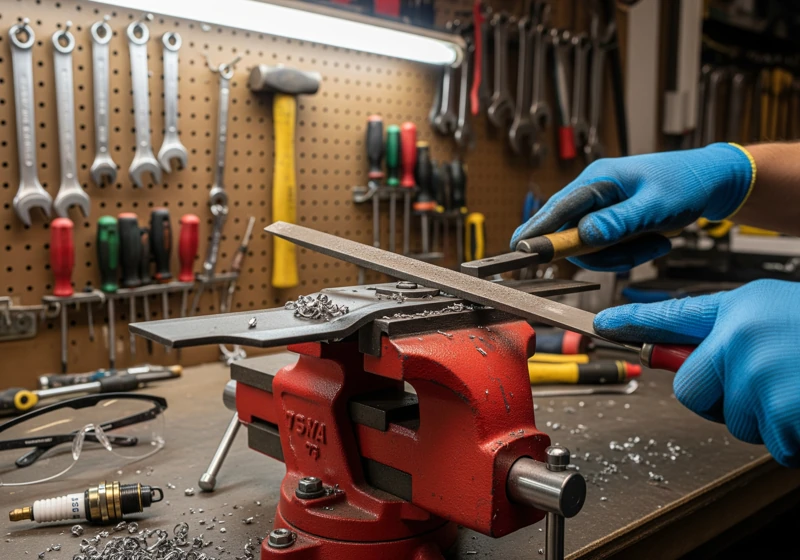
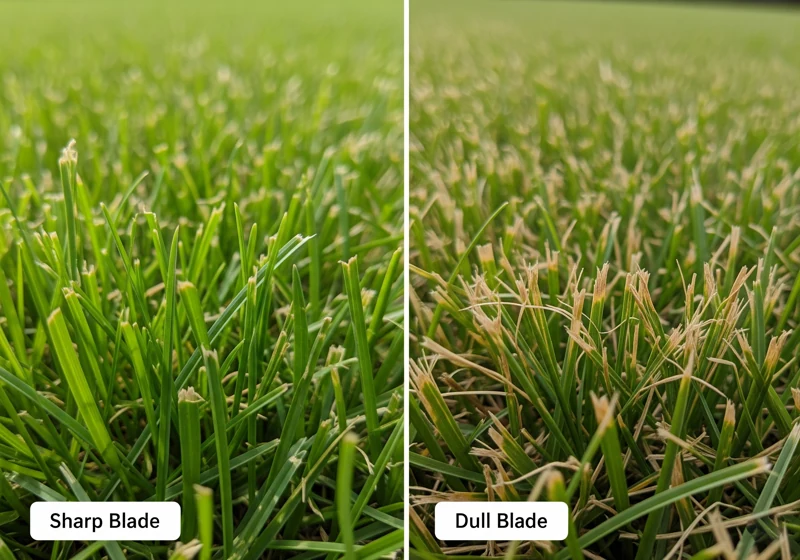
Even the best blade won’t perform if it’s dull. I sharpen my blades at least twice per season – once in spring and again mid-summer. You’ll know it’s time when you see brown tips on the grass after mowing, indicating tearing rather than clean cutting.
Professional sharpening runs about $10-15 per blade at most small engine shops, and it’s worth every penny. You can sharpen blades yourself with a file or grinder, but maintain the original angle and keep the blade balanced. An unbalanced blade will vibrate and potentially damage your mower’s spindle.
Replace blades when they’re worn thin, have chips that can’t be filed out, or if the mounting hole becomes enlarged. A good blade should last 2-3 seasons with proper maintenance, depending on how much you mow and what conditions you encounter.
Common Blade Problems and Solutions
Brown grass tips after mowing? Your blade is dull. Grass should be cut cleanly, not torn. Even a slightly dull blade will leave ragged edges that turn brown within hours of mowing.
Poor bagging performance? You likely need higher lift blades, or your current blades need sharpening. Dull blades don’t create the airflow needed for effective bagging.
Clumping when mulching? Either your blade isn’t designed for mulching, you’re removing too much grass height at once, or you’re mowing wet grass. Mulching requires the right blade and proper conditions.
Excessive vibration? Check if your blade is balanced and properly tightened. A bent or damaged blade should be replaced immediately, as it can damage your mower’s engine and deck.
Installation and Safety Tips
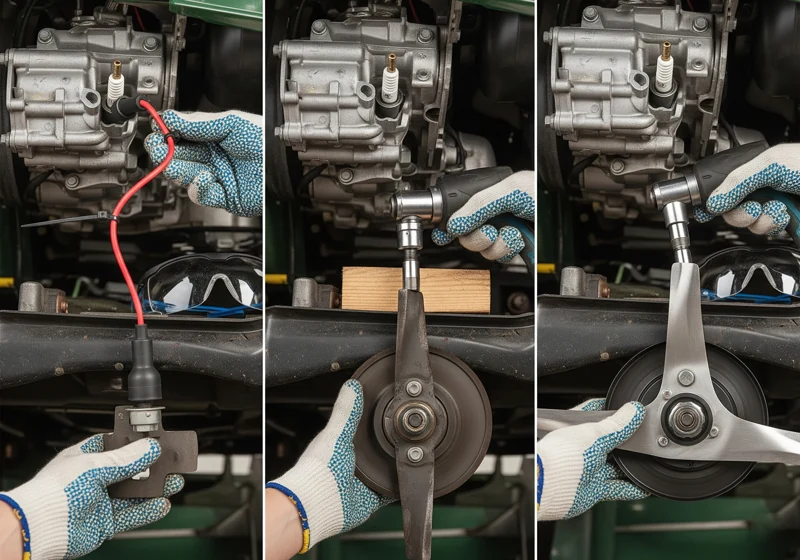
Always disconnect your spark plug before removing blades. Use a blade removal tool or impact wrench to loosen the bolt – these are usually torqued pretty tight. When installing new blades, make sure the curved part (if present) faces upward toward the deck.
Torque specifications vary by mower, but most residential mowers require 30-50 foot-pounds. Check your manual for the exact specification. An improperly tightened blade can come loose during operation, which is extremely dangerous.
And honestly? If you’re not comfortable doing this yourself, take it to a shop. Blade installation isn’t complicated, but a mistake can be costly or dangerous.
The Bottom Line on Blade Selection
Choosing the right mower blade isn’t rocket science, but it does require understanding your specific needs. For most homeowners with typical suburban lawns, standard lift blades offer the best combination of performance, efficiency, and forgiveness. They’ll give you a good cut without stressing your mower or requiring perfect conditions.
If you bag most of your clippings or deal with thick grass, invest in high lift blades and accept the increased fuel consumption. Mulching enthusiasts should stick with dedicated mulching blades and commit to regular mowing schedules. Those with sandy soil, older mowers, or tender grass types will find low lift blades work better.
Don’t overlook blade maintenance – even the perfect blade won’t perform if it’s dull. Sharp blades cut cleanly, reduce stress on your mower, and give you that professional-looking lawn finish you’re after.
Remember, your blade choice isn’t permanent. You can experiment with different types to see what works best for your specific conditions. Just keep that spare blade sharp and ready to swap when needed. Your lawn – and your neighbors – will notice the difference.
Consider your grass type, mowing frequency, and what you do with clippings. Cool-season grasses handle high lift blades well, while warm-season grasses like Bermuda prefer low lift options. If you bag clippings, go with high lift blades. For mulching, choose dedicated mulching blades. Weekly mowing works with standard lift blades, but bi-weekly schedules need high lift for taller grass. Also factor in your mower’s engine power – don’t put high lift blades on underpowered mowers.
It depends on your primary goal. Choose high lift blades if you bag most clippings, deal with thick grass, or mow less frequently. They create strong suction for excellent bagging performance. Pick mulching blades if you want to recycle nutrients back into your lawn and mow regularly. Mulching blades chop clippings into tiny pieces that decompose quickly, but they only work well with consistent weekly mowing and proper grass height management.
High lift blades are your best bet for thick, dense grass. The aggressive upward angle creates strong airflow that lifts heavy grass before cutting, preventing clogging and ensuring clean cuts. These blades require more engine power but handle overgrown areas much better than standard blades. If you frequently deal with thick grass, invest in high lift blades and accept the increased fuel consumption – the improved cutting performance is worth it.
Neither is universally “better” – they serve different purposes. High lift blades excel at bagging and handling thick or tall grass with superior suction power. Mulching blades are better for nutrient recycling and reducing fertilizer needs by finely chopping clippings. High lift blades work in more conditions but use more fuel. Mulching blades require consistent mowing schedules but improve soil health over time. Choose based on your primary mowing goals, not which is “better.”
Mulching blades have curved cutting surfaces and multiple cutting edges designed to chop grass repeatedly while keeping clippings airborne longer. High lift blades have aggressive upward angles that create strong suction to pull grass up and discharge clippings forcefully. Mulching blades focus on chopping clippings fine, while high lift blades prioritize airflow and discharge power. You can usually tell them apart visually – mulching blades look more curved and complex, while high lift blades have pronounced upward angles at the tips.
Check your owner’s manual for the exact part number first. Measure your current blade length (typically 20-22 inches for residential mowers) and note the center hole size. Look for the lift type stamped on your current blade. Consider your mowing needs: standard lift for general use, high lift for bagging or thick grass, low lift for sandy soil or tender grass, and mulching blades for nutrient recycling. When in doubt, take your old blade to a dealer – they can match it exactly and suggest alternatives based on your specific needs.
