
Cordless vs Corded: Which Electric Lawn Mower Is Greener?
So there I was, Saturday at 7:23 AM, arguing with my neighbor Bob about lawn mowers. Again. This time, he’s going on about how his gas-guzzling beast is somehow better for the environment than my electric setup. I’m standing there in my old Cubs hat, coffee getting cold, thinking “This guy’s gotta be kidding me.”
Table of Contents
▼- The Electric Mower Revolution Nobody Saw Coming
- Zero Emissions vs. Coal Power Reality Check
- The Dirty Truth About Gas Mower Emissions
- Corded Electric: The Steady Eddie of Green Mowing
- Cordless Electric: Freedom with Environmental Asterisks
- Real-World Numbers That Matter
- The Noise Pollution Factor Nobody Talks About
- Grid Reality Check: Where Your Power Comes From
- Battery Technology: The Wild Card
- The Maintenance Factor (Or Lack Thereof)
- Solar Charging: The Game Changer
- The Longevity Question
- Cost Reality: Green Isn’t Always Cheap (Initially)
- What About Grass Clippings?
- My Honest Recommendation
But here’s the thing, Bob’s not completely wrong to ask questions. And honestly? I didn’t have all the answers either. That got me thinking (dangerous, I know). When it comes to electric lawn mower environmental impact, which type is greener? If you’re trying to decide between corded vs. cordless electric mowers, the environmental angle adds another layer to consider beyond just convenience and performance.
The Electric Mower Revolution Nobody Saw Coming
Look, I’ve been mowing lawns since Clinton was president. Back then, electric mowers were toys — weak, unreliable, and about as useful as a screen door on a submarine. But man, have things changed.
Last Tuesday, I was at the Home Depot on Maple Street (spending another $47.83 I didn’t have, thank you, honey), and I counted more electric mowers than gas ones on display. The salesperson, a nice kid named Mike who looked about twelve, told me they’re selling three electrics for every gas mower now. Three to one!
I mean, when did that happen? I blinked, and suddenly everyone was talking about eco-friendly lawn mower options as if they were the latest iPhone. With so many different types of lawn mowers available now, the environmental impact varies dramatically depending on what you choose.
The short answer? It’s complicated.
Scratch that, here’s what matters: both cordless and corded electric mowers blow gas mowers out of the water environmentally. But between the two electric types? That’s where it gets interesting.
Zero Emissions vs. Coal Power Reality Check
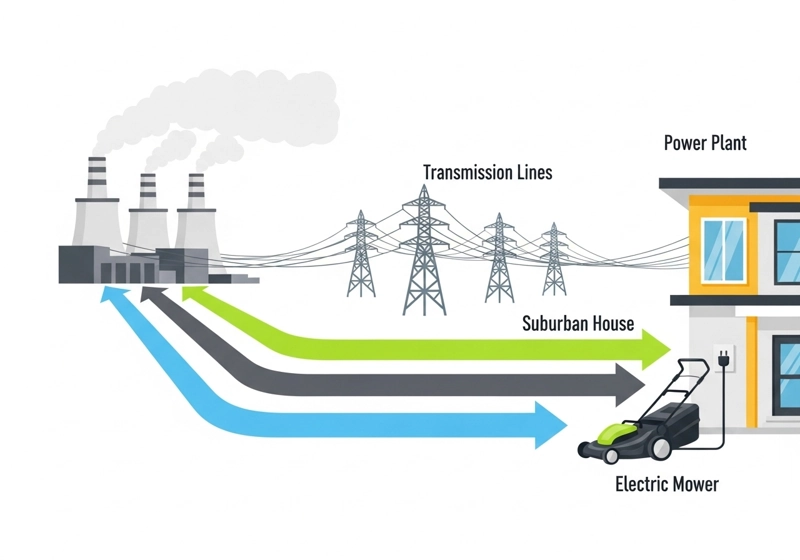
Here’s something that’ll make your head spin. Technically, both cordless and corded electric mowers produce zero emissions at your house. Zero. Zip. Nada.
But — and stick with me here — that’s not the whole story.
When I fire up my corded electric mower, the electricity comes from… somewhere. In my area (and probably yours too), that “somewhere” includes coal plants, natural gas facilities, and hopefully some solar and wind mixed in. The actual electric mower emissions happen at the power plant, not in my yard.
My buddy Dave — he’s the guy who always knows stuff before everyone else — explained it like this: “Amelia, it’s like saying your Tesla produces zero emissions while ignoring the power plant that charges it.” Dave can be annoyingly right sometimes.
For cordless mowers, you’ve got that same power plant issue PLUS the environmental cost of manufacturing those lithium-ion batteries. And let me tell you, battery manufacturing ain’t exactly a walk in the park for the environment.
Wait, let me back up a second. I should probably mention that even with these considerations, are electric lawn mowers environmentally friendly compared to gas? Absolutely. It’s not even close. Gas mowers are environmental disasters on wheels. For a deeper dive into why eco-friendly lawn mower options matter for the environment, the numbers are honestly shocking.
The Dirty Truth About Gas Mower Emissions
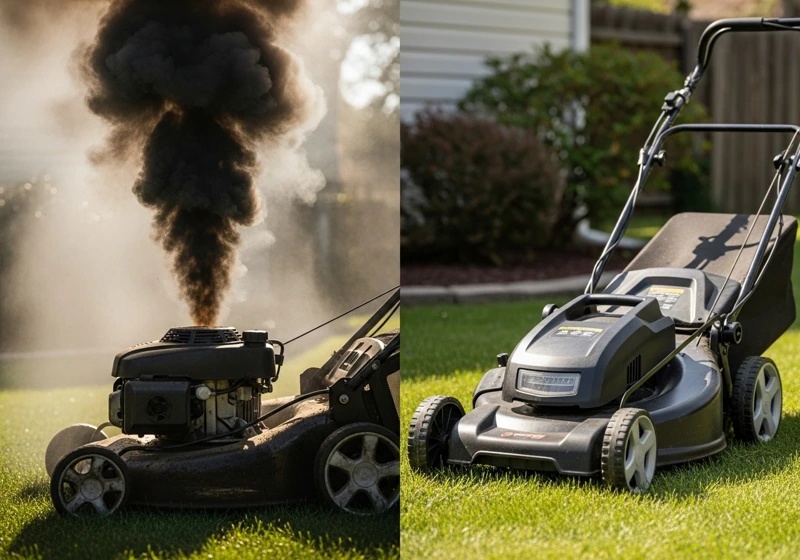
Okay, so boom: here are some numbers that’ll knock your socks off.
One hour of gas mowing produces the same emissions as driving your car 100 miles. One. Hour. I’m not making this up — this comes from the California Air Resources Board, and those folks don’t mess around.
My old gas mower (may it rest in pieces in the garage corner) was a pollution machine with a cutting deck attached. No catalytic converter, no emissions controls, just pure “screw you, atmosphere” energy.
And here’s the kicker, though — most gas mowers run rich (too much fuel, not enough air) because manufacturers tune them that way. Why? Because rich-running engines are more reliable and less likely to stall when you hit thick grass. But environmentally? It’s like choosing to drive everywhere in first gear.
The electric vs gas lawn mower environmental impact isn’t even a fair fight. When comparing gas vs. electric lawn mower brands, the environmental difference is just one factor, but it’s a big one. Gas mowers produce:
- Carbon monoxide (the silent killer)
- Nitrogen oxides (smog contributors)
- Volatile organic compounds (ground-level ozone creators)
- Particulate matter (lung irritants)
- Carbon dioxide (climate change accelerator)
Electric mowers at your house? None of that. Not a bit.
Corded Electric: The Steady Eddie of Green Mowing
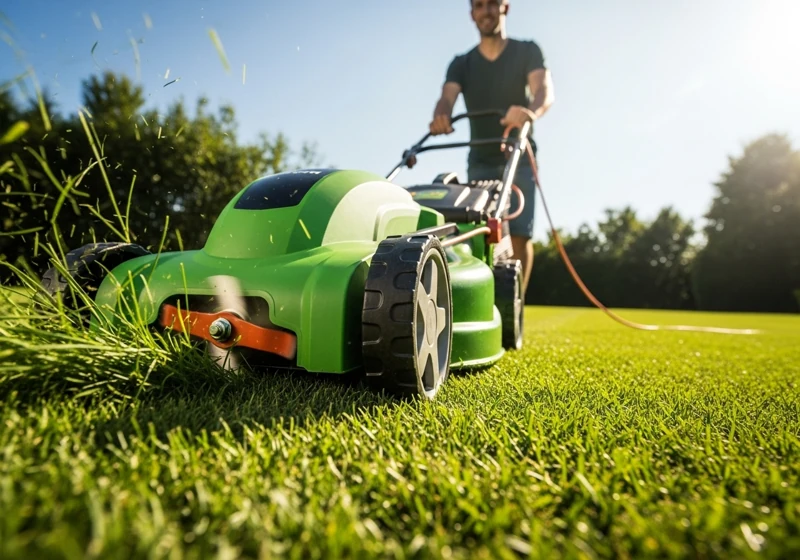
I’ll be straight with you — I love my corded electric mower. Love it. It’s a simple Greenworks 20-inch that I picked up three summers ago for $127 at Lowe’s (on sale, because I’m not stupid).
Here’s what makes corded electrics the environmental champions: they use grid electricity directly. No energy is lost in charging and discharging batteries. No lithium mining. No battery disposal issues down the road. Just straight power from the wall to the motor.
The efficiency is honestly pretty impressive. My electric bill went up maybe $3 a month when I started using it regularly. Three bucks! I spend more than that on coffee every morning.
But there’s a catch (isn’t there always?). That electricity still comes from the grid, which in most parts of the country means some fossil fuels. In areas where the grid is heavily coal-dependent, corded electric mowers have a slightly larger carbon footprint than in places with lots of renewable energy. You can check your local power grid emissions data to see how clean your electricity.
Where I live in San Francisco, our electricity comes from a pretty clean mix — lots of hydro, wind, and solar. So my environmental impact is relatively low. If you’re in West Virginia, where most power comes from coal? Your mileage may vary.
The math works out like this: even on a dirty grid, corded electric mowers produce about 75% fewer emissions than gas mowers. On a clean grid? It’s more like 90% fewer.
Cordless Electric: Freedom with Environmental Asterisks
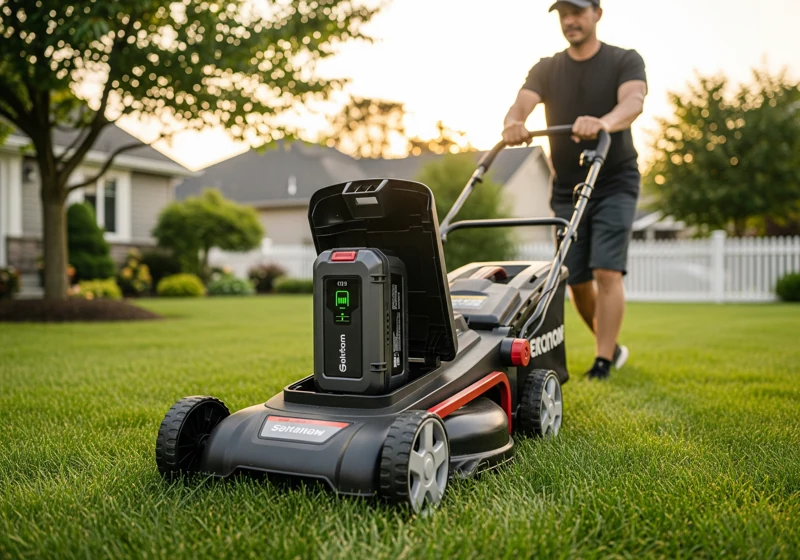
Now, cordless mowers are where things get complicated. Complicated.
I borrowed my neighbor’s EGO Power+ 21-inch cordless mower last month (the fancy $400 one that makes me insanely jealous). Performance-wise? Chef’s kiss. Freedom-wise? Amazing. Environmental impact-wise? Well… It’s a mixed bag.
The Good:
- Zero local emissions (like corded)
- Quiet operation (my ears thank me)
- No gas, oil, or spark plug waste
- Can run on renewable energy if you have solar panels
The Not-So-Good:
- Battery manufacturing environmental cost
- Energy loss in charging/discharging (about 20-30%)
- Battery replacement every 3-5 years
- Lithium mining impact
- Battery disposal concerns
Here’s what nobody tells you about electric mower emissions from cordless models: the battery is both the blessing and the curse. That lithium-ion battery pack weighs about 5 pounds and contains materials mined from all over the world. The manufacturing process uses significant energy and produces emissions.
But here’s the plot twist: even accounting for all that battery nastiness, cordless electric mowers still produce roughly 60-70% fewer lifetime emissions than gas mowers. The break-even point happens somewhere around year two of normal use. If you want the complete picture on battery-powered electric mowers as a sustainable solution, there’s a lot more to consider beyond just emissions.
Real-World Numbers That Matter
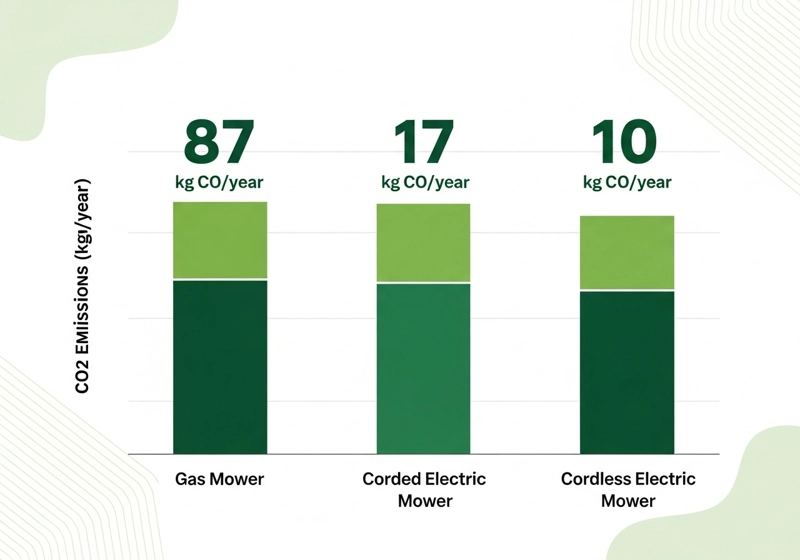
Alright, confession time: I’m a numbers nerd. Always have been. So I did some math that probably made my partner question my sanity.
For a typical suburban lawn (about a quarter acre), here’s what we’re looking at annually:
Gas Mower Environmental Impact:
- 25-30 hours of operation per year
- Approximately 50-60 pounds of CO2 emissions
- Plus all the nasty stuff I mentioned earlier
- Fuel cost: around $30-40/year
- Oil changes, filters, spark plugs: $25-35/year
Corded Electric Environmental Impact:
- Same 25-30 hours of operation
- About 8-12 pounds of CO2 emissions (depending on local grid)
- Electricity cost: $8-15/year
- Maintenance cost: zero
Cordless Electric Environmental Impact:
- 25-30 hours of operation
- About 12-18 pounds of CO2 emissions (including battery manufacturing)
- Electricity cost for charging: $10-18/year
- Battery replacement every 3-5 years: $100-150
The winner from a pure emissions standpoint? Corded electric, hands down. But the cordless isn’t far behind, and the convenience factor is huge.
The Noise Pollution Factor Nobody Talks About
Hold on, I should mention something else that’s environmentally relevant but gets overlooked: noise pollution.
My old gas mower sounded like a constipated helicopter. Seriously. I’m pretty sure NASA could hear it from space. Sound levels are around 95-100 decibels, which is like standing next to a motorcycle.
Both electric options run at about 60-65 decibels — conversation level. Your neighbors won’t hate you. Wildlife doesn’t flee in terror. You can hear cars coming (safety bonus!).
Is noise pollution a “real” environmental impact? Ask the birds in my yard. They used to disappear every Saturday morning when I fired up the gas mower. Now they just sit there and watch me work, probably judging my mowing pattern.
Environmental scientists are increasingly recognizing noise pollution as a legitimate ecological concern. So yeah, it counts.
Grid Reality Check: Where Your Power Comes From
Here’s where it gets regional, and honestly, kind of depressing if you live in certain areas.
I looked up the power grid data for different regions (because I’m fun at parties), and the results vary wildly:
Pacific Northwest: Mostly hydro power — electric mowers are environmental superstars here. California: Mixed renewables and natural gas — electric mowers are still great.t Texas, Heavy natural gas, some wind, and electric mowers are good but not amazing
West Virginia: Mostly coal — electric mowers are still better than gas, but not by as much. Northeast: Mixed bag depending on specific location
The thing is, even in coal-heavy areas, power plants are way more efficient than your little gas mower engine. Power plants have emissions controls, scrubbers, and run at optimal efficiency. Your mower engine? Not so much.
Real quick, before I forget — many utilities are rapidly shifting toward renewables. So even if your grid is dirty today, it’s probably getting cleaner every year. Your electric mower’s environmental impact will improve over time without you doing anything.
Battery Technology: The Wild Card
Meanwhile, battery technology is improving faster than my wife’s patience with my tool purchases.
When I bought my first cordless drill in 2003, the battery lasted maybe 20 minutes and took four hours to charge. Now? My latest impact driver runs for two hours and charges in 30 minutes. The energy density improvements are honestly incredible.
Lithium-ion batteries in lawn mowers are following the same trajectory. Better energy density, longer life, faster charging, and increasingly responsible sourcing and recycling programs.
EGO, Ryobi, and other major manufacturers are starting battery recycling programs. You bring back your dead battery, and they responsibly recycle the materials. It’s not perfect, but it’s way better than throwing them in landfills. For detailed reviews of the best electric mower brands and their environmental commitments, some companies are leading the pack.
Plus, here’s something cool: many cordless mower batteries are interchangeable with other tools in the same brand family. My neighbor uses his EGO battery in his mower, leaf blower, string trimmer, and chainsaw. One battery, multiple tools. That’s efficient.
The Maintenance Factor (Or Lack Thereof)
God, I hate maintenance. Always have. With my old gas mower, I was constantly:
- Changing oil (messy, smelly, waste disposal issues)
- Replacing air filters
- Swapping spark plugs
- Cleaning carburetors
- Dealing with old gas that went bad over the winter
Each oil change meant disposing of about a quart of used motor oil. That stuff doesn’t just disappear — it has to be properly recycled or it becomes an environmental problem.
Electric mowers? Zero maintenance. I sharpen the blade once a year and… that’s it. No fluids to change. No filters to replace. No spark plugs to gap. No winterization procedures. Check out our complete lawn mower maintenance guide to see just how much work electric mowers save you compared to gas.
From an environmental perspective, this matters more than you’d think. All those maintenance items — oil, filters, spark plugs — have manufacturing and disposal impacts. Avoiding them entirely is environmentally significant.
Solar Charging: The Game Changer
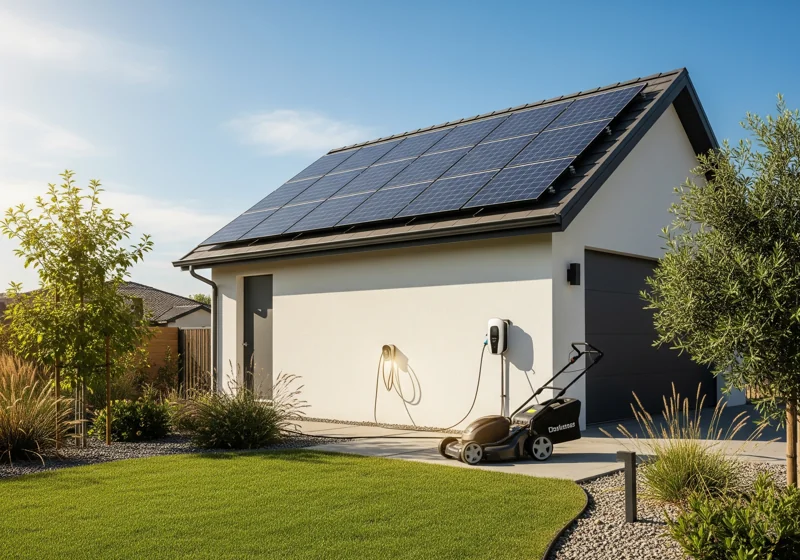
Okay, here’s where things get interesting for cordless mowers.
If you’ve got solar panels (and honestly, more people should), cordless mowers become environmental champions. You’re mowing your lawn with sunshine. Zero grid electricity, zero fossil fuel dependency, just pure renewable energy.
I installed a small 400-watt solar panel setup in my garage last year — it cost me $380 on Amazon and took a Saturday afternoon to set up. Not exactly rocket science. That little setup generates enough power to charge my partner’s cordless tools and would easily handle a mower battery.
Even without dedicated solar, if you have a grid-tied solar system that produces more than you consume, charging a mower battery during sunny days is essentially free renewable energy.
For corded mowers, solar charging isn’t really practical unless you’ve got a massive solar array and battery storage system. You need consistent power delivery, which means staying connected to the grid.
The Longevity Question
Real talk: durability matters for environmental impact. A mower that lasts 15 years has a smaller environmental footprint per year than one that craps out after 5 years.
Gas mowers, despite their environmental nastiness, can last decades with proper maintenance. My dad’s old Craftsman ran for 25 years before finally giving up. That thing was like the Toyota Corolla of mowers — ugly, loud, but bulletproof.
Electric mowers are newer technology, so long-term durability data is still coming in. But early signs are promising:
Corded electrics have fewer moving parts than gas mowers. No transmission, no carburetor, no oil pump — just a motor and blade. Less stuff to break.
Cordless electrics have the same simplicity advantage, but battery replacement is inevitable. However, as battery prices drop (they’ve fallen 80% in the last decade), replacement becomes more economical.
I’m cautiously optimistic that both electric types will outlast gas mowers in terms of useful life. But ask me again in 10 years.
Cost Reality: Green Isn’t Always Cheap (Initially)
Between you and me, the upfront cost difference is real.
Decent gas mower: $250-400 Basic corded electric: $150-300
Good cordless electric: $300-600
So, corded electric can be cheaper upfront, while cordless usually costs more initially. But the operating costs flip that equation pretty quickly.
Over 5 years of ownership:
- Gas mower total cost: $600-800 (including fuel and maintenance)
- Corded electric total cost: $200-350
- Cordless electric total cost: $350-700 (depending on battery replacement needs)
The environmental benefit comes with economic benefit for corded electrics, and roughly breaks even for cordless after a few years.
What About Grass Clippings?
Random thought, but this ties into environmental impact.
Electric mowers (both types) tend to cut grass more cleanly than gas mowers. Gas mower blades spin faster and create more suction, but they also tend to shred grass more violently. Electric mowers make cleaner cuts.
Why does this matter environmentally? Cleaner cuts mean healthier grass, which means:
- Less need for fertilizers
- Better carbon sequestration in your lawn
- Reduced water requirements
- Less susceptibility to disease and pests
It’s a small factor, but healthy lawns are carbon sinks. Anything that improves grass health has indirect environmental benefits. For the absolute most eco-friendly option, manual reel mowers produce zero emissions and give incredibly clean cuts.
Also, both electric types are better for mulching grass clippings back into the lawn, which eliminates the need for bagging and disposal.
My Honest Recommendation

After three years of running a corded electric and borrowing various cordless models from neighbors (I have great neighbors), here’s my take:
For pure environmental impact: Corded electric wins. Lower lifetime emissions, no battery disposal issues, maximum efficiency.
For practicality with good environmental impact: High-quality cordless electric. Yes, there’s the battery factor, but the convenience and performance improvements are significant.
For anyone still using gas: Either electric option is a massive environmental improvement. Don’t overthink it — just make the switch.
Look, I know some people disagree, but I think the cordless vs. corded debate misses the bigger picture. The real environmental crime is continuing to use gas mowers when electric options are this good.
My neighbor Bob finally came around, by the way. He bought a Ryobi cordless last month after borrowing mine for two weeks. Now he’s the guy telling everyone about electric lawn mower environmental impact benefits.
Funny how that works, right?
The bottom line: both electric options are dramatically better for the environment than gas. Choose based on your yard size, budget, and convenience preferences. Our complete homeowner’s guide to choosing the right lawn mower covers all these factors and more. Either way, you’re making a choice your grandkids will thank you for.
You know what? Let me know in the comments if you’ve made the switch to electric. I’m curious which way people are leaning these days. And if you’re thinking even further ahead, robotic lawn mowers might be the ultimate environmental solution electric power with maximum efficiency.
Anyway, that’s my take on it. But hey, what do I know? I’m just the person who’s been fighting with lawn mowers for 20+ years and finally found options that don’t make me hate Saturday mornings.
Absolutely! Electric mowers are way better for the environment than gas mowers. Here’s the deal: gas mowers produce the same emissions as driving your car 100 miles — just from one hour of mowing. Electric mowers produce zero emissions at your house, and even accounting for power plant emissions, they’re still 60-90% cleaner than gas, depending on your local power grid. I made the switch three years ago and honestly can’t believe I waited so long.
Gas mowers are CO2 monsters — they pump out about 50-60 pounds of CO2 per year for a typical quarter-acre lawn. That’s not counting all the other nasty stuff like carbon monoxide and nitrogen oxides. Corded electric mowers? About 8-12 pounds of CO2 annually (depending on your power grid). Cordless electrics fall somewhere in between at 12-18 pounds when you factor in battery manufacturing. The difference is honestly staggering.
No question about it. Even in areas with dirty power grids heavy on coal, electric mowers still produce about 75% fewer emissions than gas mowers. In places with clean, renewable energy? We’re talking 90% fewer emissions. Plus, you eliminate all the maintenance waste — no more oil changes, air filters, spark plugs, or fuel spills. It’s not even a fair fight environmentally.
Battery (cordless) mowers are better than gas, but they’re more complicated than corded electrics. The battery manufacturing process has environmental costs, and you lose about 20-30% efficiency in the charging/discharging process. But here’s the thing — even with all that battery nastiness factored in, cordless mowers still produce about 60-70% fewer lifetime emissions than gas mowers. If you’ve got solar panels to charge them? Game over, they become environmental superstars.
For the environment? Electric wins hands down, no contest. Gas (petrol) mowers are pollution machines with cutting decks attached. Beyond emissions, electric mowers are quieter (your neighbors will thank you), require almost zero maintenance, and cost way less to operate. The only advantage gas mowers have is unlimited runtime, but honestly, who’s mowing for more than an hour straight anyway?
Gas mowers are environmental disasters — they produce air pollution, noise pollution, require fossil fuels, and generate tons of maintenance waste. One gas mower running for an hour creates more smog-forming pollution than driving 40 cars for the same time. Electric mowers flip this equation completely. They’re quiet, produce zero local emissions, and can run on renewable energy. Plus, they help create healthier lawns that sequester more carbon. It’s like switching from a Hummer to a Prius for your yard work.
