
Reel Lawn Mowers: The Eco-Friendly Choice for a Pristine Cut
Picture this: it’s a beautiful Saturday morning in San Francisco, and I’m watching my neighbor struggle with his gas-powered mower that won’t start. Meanwhile, I’m effortlessly gliding my reel mower across my small front yard, creating those gorgeous striped patterns that make Biscuit and Paws think it’s some kind of outdoor carpet made just for them. The best part? The only sound is the satisfying snip-snip of grass being cleanly cut, not the roar of an engine disturbing the peaceful morning.
Table of Contents
▼- Understanding How Reel Mowers Work Their Magic
- Ideal Lawn Types for Reel Mowers
- The Environmental Impact: Why Your Lawn (and Planet) Will Thank You
- Maintenance Made Simple: Keeping Your Reel Mower in Peak Condition
- Choosing the Right Reel Mower for Your Needs
- Overcoming Common Reel Mower Challenges
- The Health Benefits You Didn’t Expect
- Cost Analysis: Long-term Value of Reel Mowers
- Making the Transition: Tips for Success
- Conclusion: Embracing a Sustainable Future
If you’ve been considering making the switch to a more environmentally friendly lawn care approach, reel mowers might just be the game-changer you’ve been looking for. These mechanical marvels have been quietly revolutionizing how conscious homeowners maintain their lawns, offering benefits that go far beyond just being eco-friendly. In this comprehensive guide, I’ll walk you through everything you need to know about reel lawn mowers – from how they work their magic to determining if they’re the right fit for your specific lawn needs. For a broader understanding of all available options, explore our comprehensive guide to types of lawn mowers.

Understanding How Reel Mowers Work Their Magic
Let me start by demystifying the engineering behind these elegant tools. As someone with a background in mechanical engineering, I find reel mowers fascinating from a technical standpoint, yet beautifully simple in their operation.
A reel mower operates on a scissor-cutting principle that’s fundamentally different from rotary mowers. The heart of the system consists of a cylindrical reel with curved blades that rotate against a fixed bottom blade, called the bed knife. When you push the mower forward, the wheels drive the reel through a gear system, creating a precise cutting action that slices grass cleanly rather than tearing it.
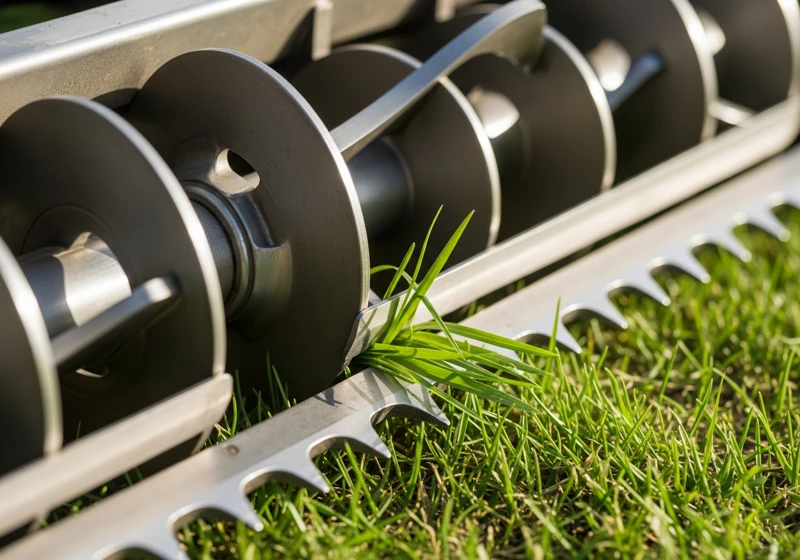
This cutting method is what gives reel mowers their legendary reputation for creating that pristine, professional-looking finish. Unlike rotary mowers that use a spinning blade to chop grass with brute force, reel mowers make clean cuts that promote healthier grass growth. The clean cut seals quickly, reducing water loss and making your lawn more resistant to disease and pest problems.
I remember the first time I switched to a reel mower – I was amazed at how much greener and healthier my lawn looked after just a few weeks. My partner initially thought I was imagining things, but even our landscaper friend noticed the difference during a backyard barbecue.
The mechanics are elegantly simple: no engine, no spark plugs, no oil changes, and certainly no pull-cord frustrations on weekend mornings. The only power source is you, which might sound daunting, but is quite manageable for most homeowners with reasonably sized lawns.
Ideal Lawn Types for Reel Mowers
Not all lawns are created equal when it comes to reel mower compatibility, and understanding your grass type is crucial for success. Through my experience helping homeowners across the Bay Area, I’ve learned that certain conditions make reel mowing not just possible, but delightful.
Grass Types That Thrive Under Reel Mowers:
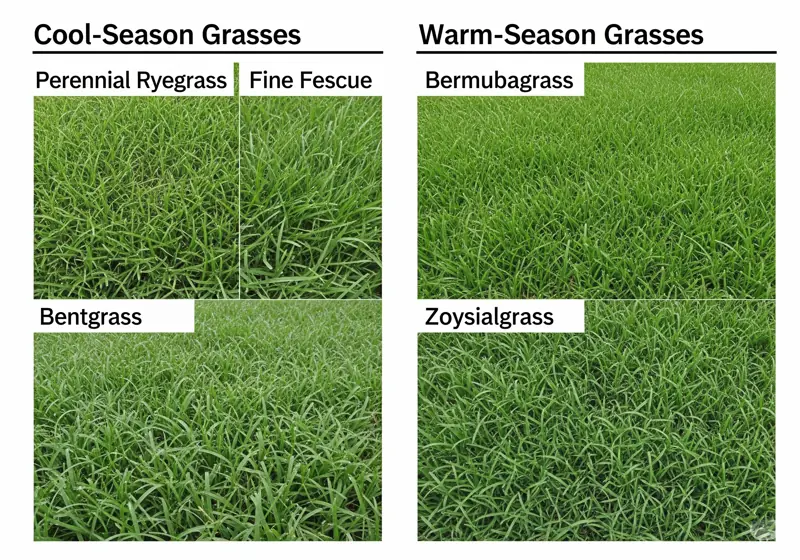
Fine-textured grasses are where reel mowers truly shine. Cool-season grasses like perennial ryegrass, fine fescue, and bentgrass respond beautifully to the precise cutting action. These grasses have softer stems that cut cleanly without resistance, making your mowing experience smooth and effortless.
Warm-season options like Bermuda grass and Zoysia also work wonderfully with reel mowers, especially when maintained at shorter heights. I’ve worked with several homeowners who’ve achieved golf course-quality results with these grass types using quality reel mowers.
Lawn Size Considerations:
Realistically, reel mowers work best on lawns under half an acre. My lawn is about 1,200 square feet, and I can complete the entire job in about 20 minutes – perfect for a quick weekend workout that accomplishes something productive.
For larger properties, you might consider a reel mower for detailed areas like around flower beds or near the house, while using a different method for expansive open areas. Several of my clients use this hybrid approach with excellent results.
Terrain Requirements:
Reel mowers perform optimally on relatively level ground. While they can handle gentle slopes, steep inclines or heavily uneven terrain can make the experience challenging and potentially unsafe. The good news is that most residential lawns fall well within the acceptable range for reel mower use.
The Environmental Impact: Why Your Lawn (and Planet) Will Thank You
This is where my passion for reel mowers ignites. The environmental benefits are substantial and immediate, making every mowing session feel like a small act of environmental stewardship.
Zero Emissions Operation:
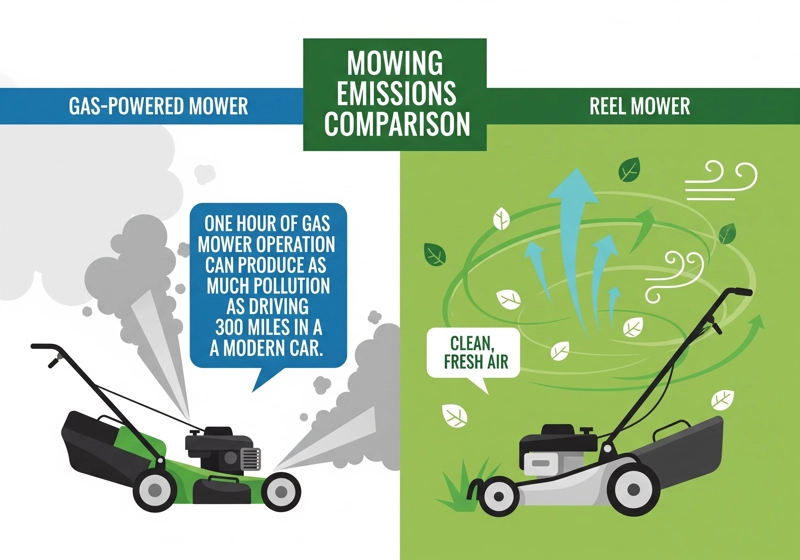
While gas-powered mowers emit pollutants equivalent to driving a car hundreds of miles, reel mowers produce absolutely zero emissions. According to the EPA, one hour of gas mower operation can produce as much pollution as driving 300 miles in a modern car. When you multiply that across millions of lawns mowed weekly throughout the growing season, the environmental impact is staggering.
Noise Pollution Reduction:
Living in an urban environment like San Francisco, I’m acutely aware of noise pollution’s impact on quality of life. Reel mowers operate at whisper-quiet levels – typically around 60 decibels compared to gas mowers that roar at 95+ decibels. This means you can mow early in the morning or late in the evening without disturbing neighbors or wildlife.
Resource Conservation:
No gasoline consumption, no oil changes, no spark plug replacements – reel mowers eliminate the ongoing resource consumption associated with powered lawn equipment. The manufacturing footprint is also significantly smaller since there’s no engine, fuel system, or electrical components to produce.
I calculated that switching to a reel mower saves me approximately 10 gallons of gasoline per year, plus all the associated oil and maintenance products. Multiply that across neighborhoods, and the impact becomes truly meaningful.
Maintenance Made Simple: Keeping Your Reel Mower in Peak Condition
One of the most pleasant surprises about reel mower ownership is how straightforward maintenance is. After years of dealing with gas mower tune-ups, carburetor cleanings, and seasonal storage procedures, the simplicity of reel mower care feels almost too good to be true.
Basic Cleaning and Storage:
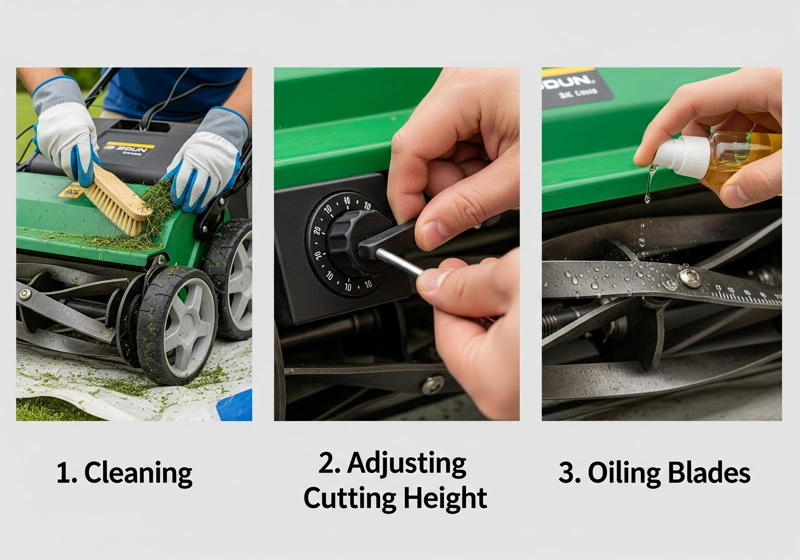
After each use, I simply brush off grass clippings and occasionally rinse the mower with water. For storage, I keep mine in the garage, where it takes up minimal space – no need for gas cans, oil containers, or elaborate winterization procedures.
Blade Adjustment and Sharpening:
The cutting height adjustment is typically handled through simple mechanisms that require no tools. Most quality reel mowers offer height settings from about 0.5 inches to 2.5 inches, accommodating various grass types and seasonal preferences.
Blade sharpening is the one maintenance task that does require attention, typically every 2-3 years, depending on usage. Many local hardware stores offer sharpening services, or you can learn to do it yourself with a sharpening kit. I’ve found that proper blade maintenance makes an enormous difference in cut quality and ease of operation.
Seasonal Care Tips:
Before storing for winter, I give my reel mower a thorough cleaning and light oil application to prevent rust. In spring, a quick inspection of moving parts and a height adjustment check has it ready for another season of reliable service.
The gear mechanism should be lubricated annually with a light machine oil – a five-minute task that ensures smooth operation throughout the mowing season.
Choosing the Right Reel Mower for Your Needs
Not all reel mowers are created equal, and selecting the right model can make the difference between loving and hating your mowing experience. Through testing various models and helping friends make selections, I’ve learned what features matter.
Key Features to Consider:
Cutting width typically ranges from 14 to 20 inches. For most residential applications, a 16-inch cutting width offers the best balance of maneuverability and efficiency. Wider units cover more ground but can be harder to push and maneuver around obstacles.
The number of reel blades affects cut quality and ease of operation. Five-blade reels work well for most homeowners, while seven or more blades provide professional-quality results but require more pushing effort.
Quality Indicators:
Look for models with adjustable bed knives, ball bearings in the wheel hubs, and sturdy construction that won’t wobble during operation. The gear ratio should provide smooth operation without excessive resistance – test push the mower if possible before purchasing.
I always recommend investing in a quality model rather than the cheapest option available. A well-built reel mower will provide decades of reliable service, while budget models often frustrate users and give reel mowers an unfairly poor reputation.
Overcoming Common Reel Mower Challenges
Let me address the elephant in the room – yes, there are some limitations and challenges with reel mowers, but most are easily manageable with proper expectations and techniques.
Dealing with Tall or Wet Grass:
Reel mowers perform best on grass that’s cut regularly and isn’t excessively tall or wet. If your grass gets away from you, a quick pass with a string trimmer or borrowed rotary mower can get things back to manageable height.
I’ve learned that mowing slightly more frequently – perhaps every 5-6 days instead of weekly – keeps grass at optimal height for easy reel mowing while saving time overall.
Handling Weeds and Thick Stems:
Tough weeds and thick stems can jam reel mowers, but this is usually more of an annoyance than a serious problem. I keep a pair of pruning shears handy for the occasional stubborn weed, and proper lawn care practices minimize these issues over time.
Managing User Expectations:
The biggest challenge is often mental – adjusting from the “power through anything” mentality of gas mowers to the more thoughtful approach required with reel mowers. Once you develop the rhythm and technique, most users find reel mowing quite enjoyable and meditative.
The Health Benefits You Didn’t Expect
Here’s an unexpected bonus I discovered after switching to a reel mower – the health benefits are substantial and surprisingly enjoyable. What started as an environmental choice became an integral part of my weekly fitness routine.
Cardiovascular Exercise:
Pushing a reel mower provides excellent moderate-intensity cardiovascular exercise. I typically burn 200-300 calories during my weekly mowing session – equivalent to a 30-minute brisk walk, but with the satisfaction of accomplishing yard work simultaneously.
The resistance training aspect shouldn’t be overlooked either. The pushing motion engages core muscles, legs, and upper body in a functional movement pattern that translates to better overall fitness.
Mental Health Benefits:
There’s something deeply satisfying about the rhythmic motion and immediate visual results of reel mowing. Unlike gas mowers that require hearing protection and create a barrier between you and your environment, reel mowing allows you to hear birds singing, feel the morning breeze, and truly connect with your outdoor space.
Many weekend mornings, Biscuit and Paws follow along as I mow, and it’s become a peaceful family activity rather than a noisy chore to endure.
Cost Analysis: Long-term Value of Reel Mowers
While the upfront cost of a quality reel mower might seem significant compared to basic gas mowers, the long-term economics are compelling when you factor in all ownership costs.
Initial Investment vs. Operating Costs:
A quality reel mower typically costs $200-400, comparable to mid-range gas mowers. However, the operating costs tell a different story entirely. No gasoline, no oil, no spark plugs, no air filters, no annual tune-ups – the ongoing expenses are virtually zero.
I calculated that my previous gas mower cost approximately $75 annually in fuel and maintenance. Over a 15-year ownership period, that’s $1,125 in operating costs alone, not including major repairs or eventual replacement.
Durability and Longevity:
Well-maintained reel mowers can provide decades of reliable service. I know several homeowners using reel mowers that are 20+ years old and still performing beautifully. This longevity is partly due to the mechanical simplicity – fewer components mean fewer things that can break or wear out.
Making the Transition: Tips for Success
If you’re convinced that a reel mower might be right for your situation, here are my recommendations for ensuring a successful transition.
Start with Realistic Expectations:
Understand that reel mowing requires a slightly different approach than gas mowing. You’ll likely mow more frequently but for shorter periods. The result is better lawn health and a more manageable workload spread throughout the week.
Prepare Your Lawn:
Before your first reel mowing session, ensure your grass is at an appropriate height – ideally no taller than 3 inches. Remove any debris, sticks, or thick weeds that might interfere with the cutting action.
Develop Proper Technique:
Maintain a steady, moderate pace rather than rushing. Overlapping passes slightly ensures complete coverage, and varying your mowing pattern helps prevent grass from developing a lean in one direction.
The key is finding your rhythm – once you do, reel mowing becomes almost meditative, providing a peaceful start or end to your day while maintaining your lawn beautifully.
Conclusion: Embracing a Sustainable Future
As I finish writing this on a quiet Sunday morning, with Biscuit and Paws sleeping contentedly after our weekly mowing adventure, I’m reminded of why I’m so passionate about helping homeowners discover the benefits of reel mowers. These remarkable tools represent more than just an alternative way to cut grass – they’re a return to a more thoughtful, sustainable approach to lawn care that benefits our health, our environment, and our communities.
The transition to reel mowing isn’t just about changing equipment; it’s about embracing a different philosophy of lawn care that prioritizes quality over convenience, sustainability over speed, and mindfulness over mechanization. Every time you choose to push instead of pull-start, you’re making a small but meaningful contribution to a quieter, cleaner world.
Whether you’re motivated by environmental concerns, seeking better exercise, or simply wanting a more peaceful weekend morning routine, reel mowers offer a compelling solution that gets better with time. The initial adjustment period quickly gives way to genuine enjoyment, and the long-term benefits compound year after year.
Ready to join the growing community of homeowners who’ve rediscovered the joy of reel mowing? Your lawn, your neighbors, and your planet will thank you for making this simple but powerful choice. Start small, be patient with yourself, and prepare to be surprised by how much you enjoy this return to the fundamentals of beautiful lawn care.
Reel mowers are not suitable for all lawns. They struggle with tall or thick grass, weeds, and very uneven or steep terrain. They also require you to mow more frequently to keep the grass at an optimal height. Additionally, they require more physical effort than a powered mower, which might be a challenge for some homeowners.
No, maintenance is quite simple. Unlike gas mowers, they don’t require oil changes, spark plugs, or engine tune-ups. The main maintenance tasks are basic cleaning, an occasional lubrication of the gear mechanism, and blade sharpening, which is typically needed every 2-3 years.
Reel mowers work best on smaller lawns, typically under a half-acre. They are a good choice for urban or suburban homes where the yard is not excessively large. For bigger properties, you might consider using a reel mower for smaller, detailed areas, but a different method would be needed for the main lawn.
Reel mowers use a scissor-like cutting action, where the spinning blades slice the grass cleanly against a fixed bottom blade. This clean cut is fundamentally different from the chopping action of a rotary mower. A clean cut promotes healthier grass growth, reduces water loss, and makes the lawn more resistant to disease.
Yes, it is. Pushing a reel mower provides an excellent moderate-intensity cardiovascular workout. The article notes that a typical weekly session can burn 200-300 calories, engaging your core muscles, legs, and upper body in a functional movement pattern while you accomplish a productive task.
