
Choosing the Right Lawn Mower for Your Yard: The Complete Homeowner’s Guide
So there I was, watching my neighbor Jim struggle with his brand-new zero-turn mower for the third weekend in a row. This thing cost him four grand, had all the bells and whistles, and he hated it. Why? Because his yard has more oak trees than a state park, and he couldn’t get around them without doing a twenty-point turn every five feet.
Table of Contents
▼- Your Yard Tells You Everything You Need to Know
- Getting Real About Size (And Why Everyone Gets This Wrong)
- The Terrain Reality Check
- Walk-Behind Mowers: Still the Champ for Most Folks
- Push vs. Self-Propelled (The Question Everyone Asks)
- Gas vs. Electric: The Great Debate
- When Riding Mowers Make Sense (And When They Don’t)
- Lawn Tractors vs. Zero-Turns: What’s the Real Difference?
- The Deck Size Mistake Almost Everyone Makes
- Power Sources: What Works in the Real World
- Gas: Still the Heavyweight Champion
- Electric: The Surprising Contender
- The Maintenance Reality
- Best Lawn Mower for Your Yard: Features That Matter
- Cut Height Adjustment: More Important Than You Think
- Mulching vs. Bagging: What Do You Want?
- Variable Speed: The Game Changer
- Electric Start: Luxury or Necessity?
- Special Situations and Problem Yards
- Steep Slopes: Safety First, Always
- Lots of Trees: The Maneuvering Challenge
- Wet and Soggy Areas
- Budget Reality: What You Need to Spend
- Entry Level (0-0): Getting the Most Bang for Your Buck
- The Sweet Spot (0-,200): Where Most People Should Shop
- Premium Territory (,200+): When to Splurge
- The Total Cost Picture
- When to Buy: Timing Your Purchase
- End of Season (Late Fall): Best Deals
- Early Spring: Best Selection
- Mid-Season: Desperation Time
- New vs. Used: The Smart Approach
- Making the Final Call
- Step 1: Know Your Non-Negotiables
- Step 2: Prioritize Your Preferences
- Step 3: Test Drive When Possible
- Step 4: Consider the Long Game
- Living With Your Choice: Maintenance Reality
- The Basics That Everyone Should Do
- When to DIY vs. Call the Pros
- The Bottom Line: It’s About Finding Your Match
That’s when it hit me – Jim’s story is everyone’s story. We get caught up in the flashy features and forget to ask the most basic question: what does MY yard need?
I’ve been helping folks pick lawn mowers for fifteen years now, ever since I started fixing them at Murphy’s Equipment down on Main Street. Started as a repair guy, worked my way up to service manager, and now I run my own consultancy. Along the way, I’ve tested over 200 different mower models and helped thousands of homeowners avoid Jim’s mistake.
Here’s what I’ve learned: finding the best lawn mower for your yard isn’t about the fanciest features. There’s only the right mower for YOUR specific situation.
Your Yard Tells You Everything You Need to Know
Before you even think about brands or features, you need to have a real heart-to-heart with your property. I mean, walk it, measure it, and pay attention to what makes you groan when you’re out there mowing.
Getting Real About Size (And Why Everyone Gets This Wrong)
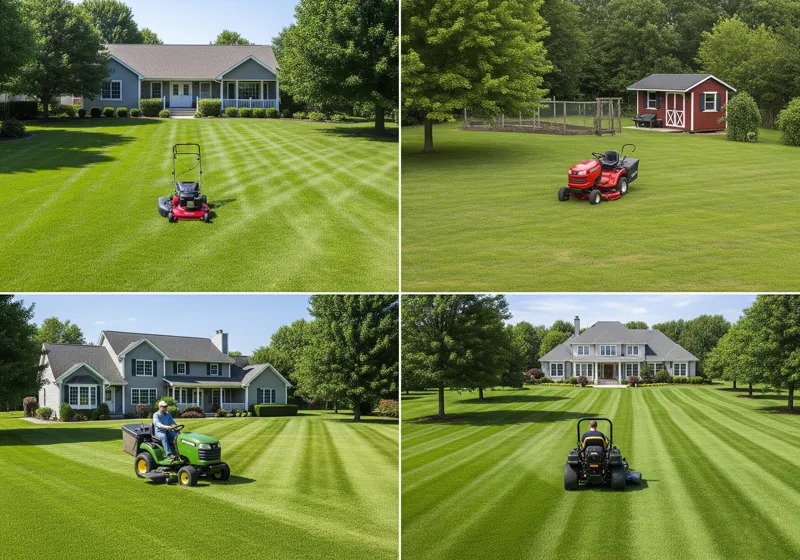
Last spring, this couple came to me convinced they needed a riding mower. “We’ve got a huge yard,” they said. So I grabbed my measuring wheel and met them at their house. Turns out their “huge” yard was exactly 0.18 acres. That’s smaller than most people think.
Here’s my foolproof method for choosing the right lawn mower for yard size – try our lawn mower size finder tool first, then time yourself mowing with whatever you’re using now. If it’s taking you less than 45 minutes start to finish, you don’t need a riding mower. Period. Save your money.
Small yards (what I call anything under a quarter-acre) are trickier than they look. Yeah, they’re small, but they usually have more obstacles per square foot. Flower beds, trees, sidewalks, and that stupid decorative boulder your wife insisted on. A big mower in a small yard is like driving a pickup truck through a parking garage.
Medium yards (quarter to half-acre) – this is where most of you live. Takes about 45 minutes to an hour with a decent walk-behind. You’re right in that sweet spot where you’ve got options. It could go either way depending on your situation.
Large yards (half to full acre) – now we’re talking. This is where I start showing people riding mowers. Not because you can’t walk it, but because life’s too short to spend two hours every Saturday pushing a mower around.
Really big yards (over an acre) – if you’re still walking behind a mower on more than an acre, we need to talk. You’re either in amazing shape or making your life way harder than it needs to be.
The Terrain Reality Check
I learned this lesson the hard way with my yard. Bought this beautiful house with what looked like a perfectly flat backyard. The first time I mowed it, I nearly threw out my back. Turns out there was just enough slope that I was fighting gravity the whole way.
Walk your yard like you’re a detective. Where do you naturally slow down? Where does the mower feel heavier? Those spots are telling you something important.
Slopes are the big kahuna here. I’ve got a simple test: if you feel like you’re working noticeably harder going uphill, that slope matters. If you’re holding back the mower going downhill, it matters. Anything steeper than about 15 degrees (think one foot up for every four feet forward), and you need to be careful about what kind of mower you choose.
Had a customer last year who ignored my warnings about his slope. Bought a beautiful zero-turn mower, first time out, he nearly rolled the thing. Scared him so bad he traded it in the next week for a self-propelled walk-behind.
Trees and obstacles – count ’em. Every single one. Because every tree means backing up, going around, maybe doing some trimming afterward. I’ve got customers with small yards that take longer to mow than some big open spaces, just because of all the dodging and weaving.
And don’t forget about weird spots. That low area that’s always squishy. The patch where tree roots stick up. The corner where you always seem to scalp the grass. These aren’t problems you can ignore – they’re gonna influence what kind of mower works for you.
Walk-Behind Mowers: Still the Champ for Most Folks
I know, I know – riding mowers look way more fun. But let me tell you something I’ve learned after testing hundreds of mowers: a good walk-behind mower is like a good pair of work boots. Not flashy, but it’ll serve you well for years.
Push vs. Self-Propelled (The Question Everyone Asks)
This is the biggest question when choosing the best lawn mower – “Mike, should I get self-propelled or just save the money?”
Here’s my honest answer: if your yard is mostly flat and you’re in decent shape, a push mower will do you just fine. I still use one on the front section of my yard – it’s flat, takes about ten minutes, and frankly, I like the exercise.
But – and this is a big but – the minute you’re dealing with slopes, thick grass, or you’re just tired of the workout, self-propelled pays for itself in spades.
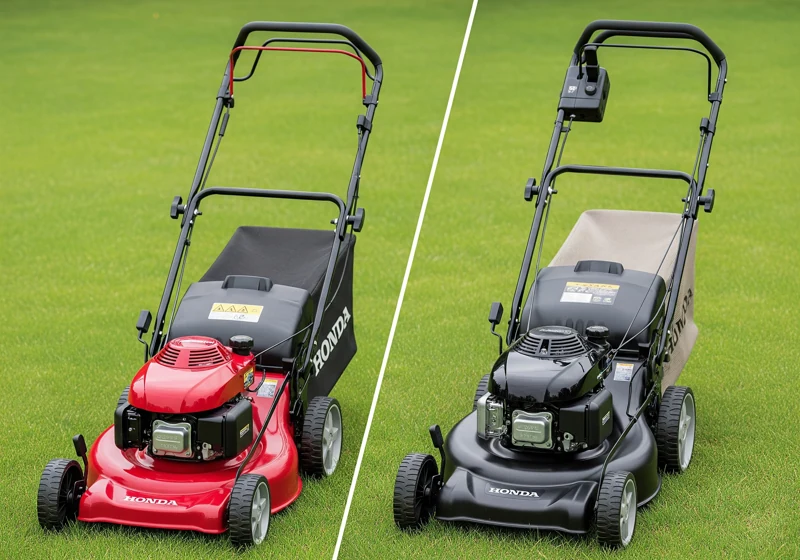
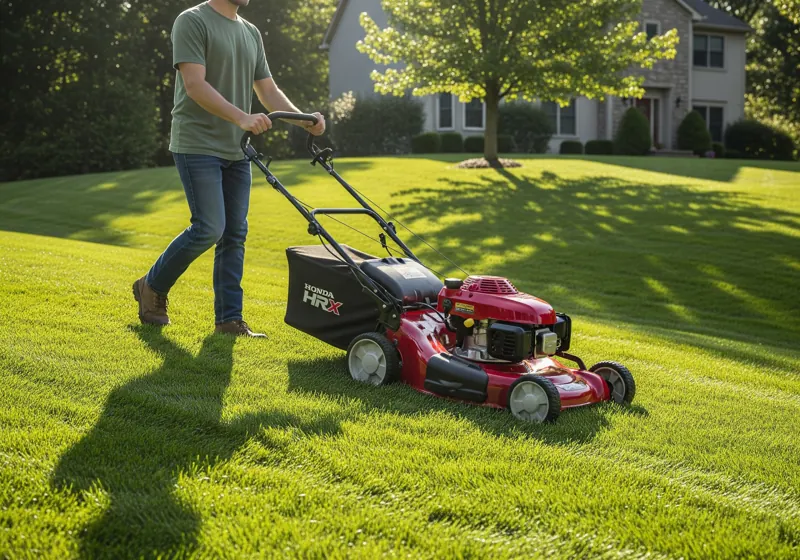
I remember this one customer, Betty, who’s about 70 years old but stubborn as a mule. Insisted she didn’t need self-propelled. “I’ve been pushing mowers for forty years!” she said. Three weeks later, she’s back in my shop. “Mike,” she says, “this old back ain’t what it used to be.” Traded that push mower in for a Honda HRX with variable speed, and now she tells everyone it changed her life.
The Honda HRX217 is my go-to recommendation for a self-propelled. I’ve sold probably 200 of these over the years, and I can count on one hand the number of unhappy customers. The variable speed is smooth, the blade system cuts through anything, and they just don’t quit.
For push mowers, the Honda HRN216VKA is rock solid. Simple, reliable, cuts great. No fancy features, but sometimes that’s exactly what you want.
Gas vs. Electric: The Great Debate
Used to be, this wasn’t even a conversation. Electric mowers need battery care to maximize lifespan. Boy, has that changed.
I’ll be straight with you – gas mowers still have the edge for power and runtime. You run out of gas, you pour in more gas. Simple. They cut through thick, wet grass better than anything else. And if you let your lawn get away from you (we’ve all been there), gas mowers will power through it
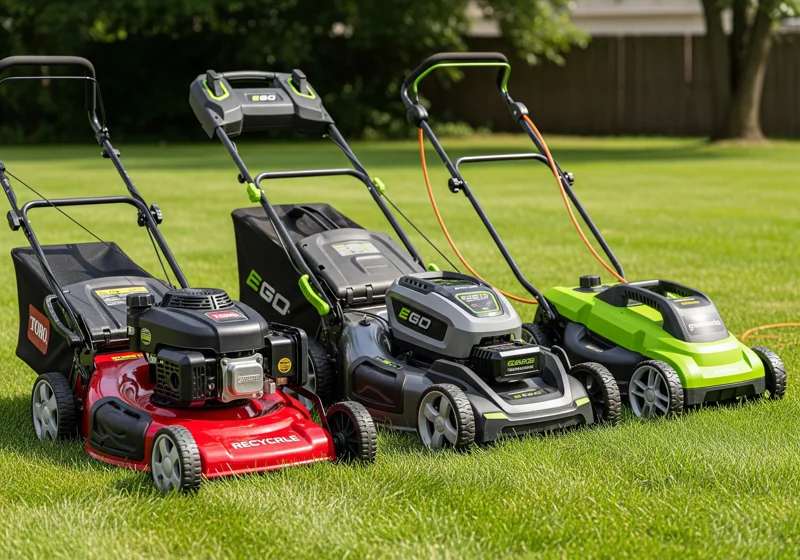
The Toro Recycler series has been solid for years. Good power, decent price, handles whatever you throw at it. Just remember – gas mowers need maintenance. Oil changes, spark plugs, air filters. It’s not complicated, but you gotta do it.
But here’s where electric mowers have impressed me lately. The battery technology has gotten scary good. I’ve got customers running EGO Power+ mowers on half-acre lots, and the batteries are lasting the whole job. Plus, your neighbors will actually like you for the quiet operation.
The EGO LM2142SP is the one I recommend most. Plenty of power, good runtime, and the batteries charge fast. Only downside is the price – these things aren’t cheap.
Corded electric is the sleeper hit nobody talks about. If you’ve got a smaller yard and outlets in the right spots, these things are bulletproof. The Greenworks 25022 has been doing great work for my customers. Lightweight, reliable, and there’s never a dead battery to worry about.
When Riding Mowers Make Sense (And When They Don’t)
Alright, let’s talk about the fun stuff. Riding mowers. Zero-turns. The machines that make your neighbors jealous.
But here’s the thing – I’ve seen plenty of people buy riding mowers they don’t need, can’t store properly, or can’t maneuver effectively. Just because you CAN get a riding mower doesn’t mean you SHOULD.
Lawn Tractors vs. Zero-Turns: What’s the Real Difference?
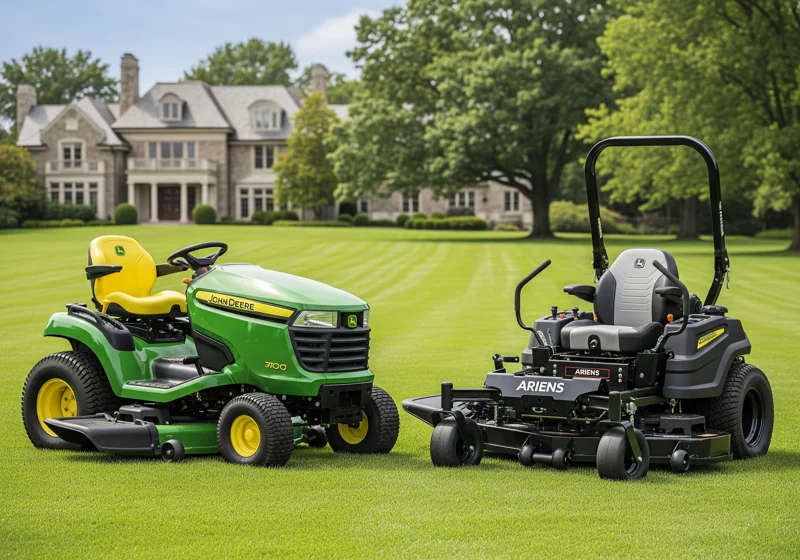
Lawn tractors are like the pickup trucks of the mower world. Stable, reliable, straightforward. You steer with a wheel, they handle slopes well, and they’re comfortable for longer jobs. Most homeowners with bigger yards should be looking at tractors first.
I’ve had great luck with the John Deere E100 series for budget-conscious folks, and the Cub Cadet XT1 Enduro for people who want something that’ll last twenty years.
Zero-turn mowers are the sports cars. Crazy maneuverable, super efficient in open areas, and honestly just plain fun to drive. But they’ve got a learning curve, they’re not great on slopes, and they cost more.
I usually recommend zero-turns for two types of customers: folks with lots of obstacles who prioritize efficiency, and people who just really want one and understand what they’re getting into. The Ariens IKON-X is a solid entry point if you’re going this route.
The Deck Size Mistake Almost Everyone Makes
Bigger is better, right? Wrong. Dead wrong.
I can’t tell you how many times I’ve watched someone buy a 54-inch deck mower, then spend half their time backing up and repositioning because they can’t get around their landscaping.
Here’s my rule: measure the narrowest space you need to get through regularly. Add a couple of inches for the margin of error. That’s your maximum deck size, period.
30-38 inch decks work great for most suburban lots up to about an acre, especially if you’ve got trees and landscaping.
42-46 inch decks are the sweet spot for bigger open areas where you can use the extra width.
48+ inch decks are for people with genuinely large, open properties. And I mean OPEN. If you’re constantly folding in your side mirrors, you bought too much mower.
Power Sources: What Works in the Real World
The power source question has gotten way more interesting over the past few years. When I started, it was gas or nothing. Now? Well, now there are choices worth considering.
Gas: Still the Heavyweight Champion
Look, I’m not gonna sugarcoat it – gas mowers are still the workhorses of the industry. They’ve got the power to handle whatever Mother Nature throws at you. Thick spring growth, wet grass that should’ve been cut three days ago, that patch under the maple tree that’s more weeds than grass – gas mowers just muscle through it all.
The downside? They’re loud. They smell. They need maintenance. And you’ve gotta store gasoline, which some people aren’t comfortable with.
But if you’ve got a challenging yard, variable conditions, or you just want maximum reliability, gas is still hard to beat.
Electric: The Surprising Contender
Five years ago, I wouldn’t have recommended an electric mower to anyone with more than a postage stamp yard. Today? I’m selling them to customers with half-acre lots, and they’re happy as clams.
Battery mowers have hit this sweet spot where they’ve got enough power for most residential jobs, but they’re quiet, clean, and virtually maintenance-free. The EGO and Greenworks lines have impressed me.
The catch is battery capacity. You need to be honest about your yard size and have a backup plan if you’re pushing the limits. Some of my customers have two batteries, which works great, but adds to the cost.
Corded electric is still my secret weapon for smaller yards. No battery anxiety, consistent power, super lightweight. Just make sure you’re comfortable managing the cord, and you need outlets in the right spots.
The Maintenance Reality
This is where people get surprised. Gas mowers need regular attention – oil changes, air filter cleaning, spark plug replacement, and winterization. It’s not hard, but it’s ongoing.
Electric mowers? You clean them off and put them away. That’s it. Batteries eventually need replacement (usually 3-5 years), but day-to-day maintenance is almost nonexistent.
For a lot of people, that maintenance difference is the tiebreaker.
Best Lawn Mower for Your Yard: Features That Matter
After fifteen years of watching people use these machines, I’ve learned which features make a real difference and which ones are just marketing fluff.
Cut Height Adjustment: More Important Than You Think
This seems like a minor thing until you own the mower. Spring grass that’s growing like crazy needs a different height than summer drought conditions. Good adjustment systems make seasonal changes quick and easy.
Single-lever height adjustment is what I always recommend. One lever, all four wheels, done. The Honda and Toro systems are particularly smooth.
Individual wheel adjustment is cheaper to manufacture, but it’s a pain in real life. You’ll probably set it once and never change it, which isn’t ideal for your grass.
Mulching vs. Bagging: What Do You Want?
Most people overthink this one. Here’s the deal: mulching is better for your lawn and saves you time. The clippings decompose and feed your grass. Unless you’ve got some specific reason to collect clippings, just mulch.
That said, if your grass gets away from you and you’re cutting off more than a third of the blade length, you probably want to bag that cutting, or you’ll smother the lawn underneath.
Look for 3-in-1 systems that let you mulch, bag, or side-discharge depending on conditions. Most decent mowers offer this now.
Variable Speed: The Game Changer
If you’re looking at self-propelled mowers, variable speed control is worth every penny. Being able to match the mower to your natural walking pace makes the whole job way more comfortable.
I’ve had customers tell me this single feature transformed their mowing experience. Instead of feeling like they’re being dragged along or constantly fighting the pace, they can just walk naturally.
Electric Start: Luxury or Necessity?
For riding mowers, electric start is basically standard now, and for good reason. Nobody wants to mess with pull-starting a larger engine.
For walk-behind mowers, it’s a nice-to-have. If you struggle with traditional pull starts or you’re getting older and your shoulders aren’t what they used to be, an electric start can be a real blessing. But it adds cost and complexity.
Special Situations and Problem Yards
Over the years, I’ve dealt with some unique challenges that don’t fit the standard recommendations. Here are the ones that come up most often.
Steep Slopes: Safety First, Always
I cannot stress this enough – slopes change everything. I’ve seen people get hurt, and I’ve seen expensive mowers damaged because someone didn’t respect their terrain.
My general rule: if it feels steep when you’re walking it, it’s too steep for a riding mower. Period. I don’t care what the manufacturer says about degrees and percentages. If your gut says it’s steep, listen to your gut.
For slopes, self-propelled walk-behind mowers with good traction are usually your best bet. Some models even offer all-wheel drive for extreme situations.
I had one customer with a beautiful hillside lot who wanted a riding mower. We spent an hour walking his property, and I finally convinced him that a Honda HRX with the all-wheel drive system would be safer and more efficient than trying to maneuver a rider up and down those slopes.
Lots of Trees: The Maneuvering Challenge
Trees are beautiful. They’re also a giant pain in the neck when you’re trying to mow around them efficiently.
If you’ve got a lot of trees, smaller deck sizes, and good maneuverability become way more important than raw power or speed. Sometimes a 21-inch walk-behind will get the job done faster than a 42-inch rider simply because you’re not constantly backing up and repositioning.
Zero-turn mowers can be great for heavily wooded lots, but only if you’ve got the budget and you’re comfortable with the learning curve. They turn in place, which makes navigating obstacles much easier.
Wet and Soggy Areas
Some yards just stay soft and squishy, especially in spring or if you’ve got drainage issues. Regular mowers will sink, leave ruts, or just bog down completely.
For these situations, look for wider tires that spread out the weight, or consider lighter-weight electric mowers that won’t sink as easily. Sometimes the solution is as simple as waiting an extra day for conditions to dry out, but that’s not always practical.
Budget Reality: What You Need to Spend
Let’s talk money. I’ve worked with folks shopping every price range, from college students scraping together $200 to retirees who want all the premium features. Here’s what I’ve learned about getting good value at different budget levels.
Entry Level ($200-$500): Getting the Most Bang for Your Buck
You can absolutely find reliable mowers in this range, but you’ve got to be smart about it. Focus on proven brands and basic functionality rather than features.
In the push mower category, look for Honda or Toro models. They might not have all the bells and whistles, but they’ll start every time and cut for years.
For electric, Greenworks and Sun Joe offer solid entry-level options. Don’t expect premium features, but they’ll get the job done reliably.
Consider the used market too. A well-maintained three-year-old mower from a good brand often beats a brand-new budget model from a questionable manufacturer.
The Sweet Spot ($500-$1,200): Where Most People Should Shop
This is where you find the best combination of reliability, features, and value. You’re getting proven technology without paying for the latest gimmicks.
Self-propelled gas mowers with variable speed control live in this range. So do premium battery mowers with larger battery systems. If you need a small lawn tractor, you can find decent entry-level models here too.
This is where I send most of my customers because you’re getting mowers that’ll last 10-15 years with proper care, and they’ve got the features that make a difference.
Premium Territory ($1,200+): When to Splurge
High-end mowers offer superior cut quality, advanced features, and extended durability. If lawn care is a priority for you and you’ve got the budget, these can be worthwhile investments.
Commercial-grade components, better suspension systems, smart connectivity – these features can genuinely improve your experience. Just make sure you’re buying them for the right reasons, not just because you can.
The Total Cost Picture
Don’t forget about ongoing costs when you’re making your decision:
Gas mowers need fuel (maybe $50-100 a year for typical use), maintenance supplies, and occasionally professional service. Figure another $100-200 annually for upkeep.
Electric mowers cost almost nothing to run day-to-day, but you’ll eventually need replacement batteries. Budget $200-400 every 4-5 years for battery replacement.
When to Buy: Timing Your Purchase
Timing can save you hundreds of dollars and get you a better selection. Here’s what I’ve observed over the years.
End of Season (Late Fall): Best Deals
This is when dealers are desperate to clear inventory. You’ll find genuine discounts on quality mowers, sometimes 20-30% off retail. The downside is limited selection and having to store the mower all winter.
I tell my budget-conscious customers to start shopping in October. By November, dealers are practically giving mowers away to avoid carrying inventory through winter.
Early Spring: Best Selection
March and April give you the full range of options, but you’ll pay full price. If you need specific features or have unusual requirements, this timing gives you the most choices.
This is when I recommend shopping if you’re particular about getting exactly what you want, or if your current mower died and you need a replacement ASAP.
Mid-Season: Desperation Time
Summer purchases usually happen because something broke. Limited selection, higher prices, but sometimes you can find deals on leftover inventory that didn’t sell in spring.
New vs. Used: The Smart Approach
The used mower market can offer excellent value, but you need to know what to look for.
Good signs: Clean air filter, sharp blade, starts easily, owner has maintenance records, normal wear patterns.
Red flags: Rust on the deck, bent or damaged blade, hard starting, unusual noises, missing parts.
Certified refurbished mowers from dealers can be a sweet spot – you get quality equipment at a discount with some warranty coverage.
Making the Final Call
After all this information, you might still feel overwhelmed. That’s completely normal. You’re making a significant purchase that’ll affect your weekends for the next decade.
Here’s my systematic approach for finding the right lawn mower for your yard:
Step 1: Know Your Non-Negotiables
What are your absolute must-haves?
- Fits your yard size and terrain
- Within your budget
- Available local service support
- Any physical limitations or preferences
These are your deal-breakers. If a mower doesn’t meet these requirements, it’s off the list regardless of other features.
Step 2: Prioritize Your Preferences
What would make your mowing experience better?
- Specific comfort features
- Noise levels (important if you have close neighbors)
- Maintenance preferences
- Brand loyalty or warranty coverage
Score these based on importance to you personally.
Step 3: Test Drive When Possible
Most good dealers will let you try before you buy, at least in their demo area. Pay attention to:
- How easy it is to start
- Comfort of the controls
- Noise and vibration levels
- Overall feel and balance
A few minutes of actual use tells you more than an hour of reading specs.
Step 4: Consider the Long Game
Think about where you’ll be in 5-10 years. Will you still be in the same house? Will your physical capabilities change? Are you likely to modify your landscaping?
Sometimes spending a bit more upfront makes sense if it gives you flexibility for future changes.
Living With Your Choice: Maintenance Reality
Choosing the right mower is just the beginning. Proper maintenance is what turns a good purchase into years of reliable service.
The Basics That Everyone Should Do
Keep it clean – Grass clippings left on the deck will cause rust and affect cut quality. A few minutes with the hose after each use saves hours of problems later.
Sharp blades make all the difference. Dull blades tear grass instead of cutting it cleanly, leading to brown tips and increased disease problems. Get them sharpened professionally at least once a year, more if you hit a lot of rocks or roots.
Seasonal prep – This is where a lot of people drop the ball. Gas mowers need proper winterization to avoid fuel system problems. Electric mowers need battery care to maximize lifespan.
When to DIY vs. Call the Pros
Some maintenance is do-it-yourself territory:
- Basic cleaning and care
- Air filter replacement
- Spark plug changes
- Oil changes (if you’re comfortable with it)
But some jobs are worth paying a professional:
- Blade sharpening and balancing
- Engine tune-ups
- Transmission service
- Anything covered under warranty
The Bottom Line: It’s About Finding Your Match
After fifteen years of helping people choose mowers, here’s what I’ve learned: the best lawn mower for your yard is the one that makes your specific lawn care routine efficient and enjoyable.
I’ve seen customers thrilled with basic push mowers that perfectly matched their needs, and others frustrated with premium equipment that was overkill for their situation.
The key is being honest about your yard, realistic about your needs, and clear about your priorities. Don’t get caught up in features you’ll never use or power you don’t need.
Take Jim, my neighbor I mentioned at the beginning. After struggling with that zero-turn for a month, he traded it for a Honda self-propelled walk-behind. Cost him less than half as much, handles his tree-filled yard perfectly, and now he enjoys mowing again.
That’s what we’re after – a mower that fits your life so well you forget it’s there. It just does its job reliably, efficiently, and without drama.
Whether you end up with a simple push mower, a feature-rich self-propelled model, or a comfortable riding mower, the right choice is the one that makes sense for YOUR specific situation.
And hey, if you’re still not sure after reading all this, that’s okay too. Find a good local dealer, explain your situation, and let them help. A good dealer makes their living matching customers with the right equipment, and they want you to be happy with your purchase.
Your perfect Saturday morning routine is out there waiting for you. The right mower will help you find it.
After 15 years of helping homeowners, here’s my foolproof method: Start by honestly assessing your yard. Time yourself mowing – if it takes under 45 minutes, stick with a walk-behind. Measure your narrowest spaces to determine the maximum deck size. Count obstacles like trees and slopes. Then match your power source to your situation: gas for challenging conditions, electric for quiet neighborhoods and smaller yards. Don’t get caught up in fancy features – focus on what your specific yard needs.
There’s no single “best” mower – it depends on your yard. For most suburban homes under half an acre, I recommend the Honda HRX217 self-propelled mower. It’s reliable, handles various conditions, and the variable speed matches your walking pace. For smaller yards, the Honda HRN216VKA push mower is rock solid. If you’re going electric, the EGO LM2142SP has impressed me with its power and battery life. The best lawn mower for your yard is the one that matches your specific size, terrain, and maintenance preferences.
Here’s my simple rule: measure the narrowest space you need to navigate regularly, add a couple of inches, and that’s your maximum deck size. For most suburban lots up to an acre with trees and landscaping, 30-38 inch decks work great. Open areas can handle 42-46 inches. Anything over 48 inches is for genuinely large, obstacle-free properties. I’ve seen too many people buy oversized mowers and then spend half their time backing up and repositioning. Remember – bigger isn’t always better when you’re constantly maneuvering around obstacles.
Electric mowers have come a long way – I’m now recommending them to customers with half-acre lots. They’re quieter (your neighbors will love you), require virtually no maintenance, and the battery technology has gotten scary good. The EGO and Greenworks lines consistently impress me. However, gas still wins for power and unlimited runtime. If you have thick, challenging grass or let your lawn get away from you, gas handles it better. For most typical suburban yards with regular maintenance, electric is often the better choice now.
Rough, uneven terrain calls for a self-propelled walk-behind mower with good traction – never attempt this with a riding mower. I recommend the Honda HRX with all-wheel drive for extreme situations. Look for wider tires that won’t sink into soft spots, good ground clearance for roots and bumps, and a sturdy deck that can handle occasional stick encounters. Gas mowers typically handle rough conditions better than electric mowers. Most importantly, take your time and don’t force it – rough yards require patience, not brute force.
In the $500-$1,200 range, you’ll find the best value. The Honda HRX217 self-propelled consistently delivers excellent reliability and features without breaking the bank. For budget-conscious buyers, the Honda HRN216VKA push mower offers years of reliable service. In electronics, the EGO LM2142SP provides premium performance. Avoid the extremes – super-cheap mowers become expensive when they break, and premium models often include features you’ll never use. Focus on proven brands with good local dealer support rather than the latest gimmicks.
