
Best Zero Turn Mowers 2025: Complete Buyer’s Guide & Reviews
Look, I’ll be straight with you. If you’re still wrestling with some ancient riding mower that takes forever to turn around (been there, done that), zero turn mowers are about to revolutionize your Saturday mornings completely. After fifteen years of getting my hands dirty in this industry, testing everything from budget beaters to commercial monsters, I can honestly say that switching to a zero-turn mower is like… well, it’s like going from a flip phone to an iPhone.
Table of Contents
▼The fact is, most people think these machines are only for use on golf courses or by lawn care professionals. Wrong. Dead wrong, actually.
I recall one customer – let’s call him Dave – who visited my shop last spring, absolutely convinced that he needed a massive traditional rider for his 2-acre lot. Spent twenty minutes explaining why zero turns were “too complicated.” Fast forward three months, and Dave’s back, sheepishly asking about zero turn options because his neighbor (who’d bought one against Dave’s advice) was finishing his lawn in half the time.
Here’s what’s happening: you’re about to discover why the best zero turn mower isn’t just equipment – it’s basically a time machine that gives you back your weekends. Whether you’re managing acreage that makes your back ache just thinking about it, or you’re simply tired of the three-point turn dance around every tree and flower bed, this guide breaks down everything you actually need to know.
No fluff. No corporate marketing speak. Just real-world advice from someone who’s seen every mistake possible (and made plenty myself).
Why Zero Turn Mowers Are Worth the Investment
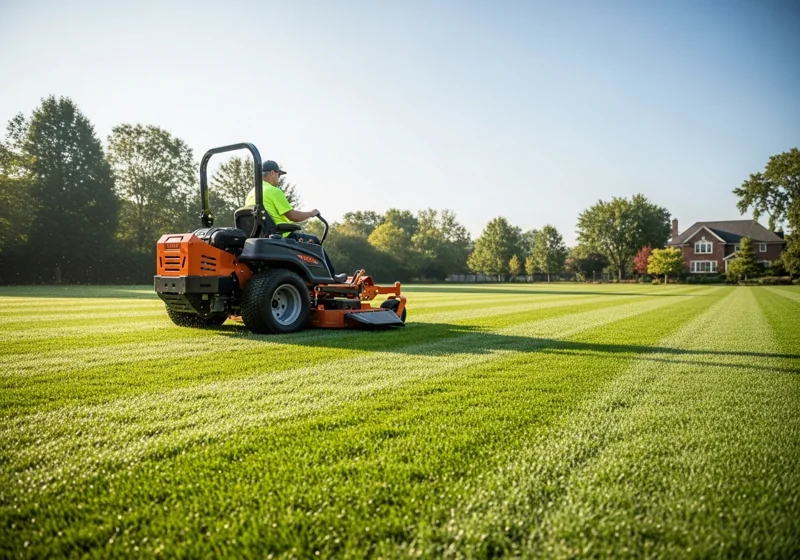
Okay, confession time – when I first encountered these things back in ’09, I thought they were overpriced toys for people with more money than sense. Boy, was I eating my words faster than my golden retriever, Max, devours his dinner.
The efficiency gains? They’re not just impressive, they’re borderline ridiculous. We’re talking about cutting your mowing time nearly in half. Not exaggerating here – I’ve personally timed customers who went from torturous 3-hour sessions down to smooth 90-minute operations on identical properties.
But here’s the kicker (and this is where it gets interesting): zero turn mowers don’t just save time, they actually make you better at lawn care. Sounds crazy, right?
Think about it this way – when you’re not constantly wrestling with backing up, repositioning, making those awkward wide turns that leave strips of uncut grass… when all that friction disappears, you start focusing on the actual cutting. Unlike traditional riding mowers, zero turns eliminate the inefficiencies that make lawn care feel like a chore. You begin noticing patterns, grass health, and areas that need attention. It’s like the difference between driving in stop-and-go traffic versus cruising on an open highway.
The Real-World Benefits Nobody Talks About
Speed and efficiency, sure – everyone mentions that. But what about the precision? I’ve watched customers create lawn striping patterns that resemble those found at a professional baseball stadium. These same people couldn’t get a straight line with their old equipment.
The maneuverability is genuinely mind-blowing. You can literally pirouette around a garden gnome if you want to (don’t ask why I know this). Trees, flower beds, that weird decorative rock your spouse insisted on placing right in the middle of everything – none of it matters anymore.
And durability? Man, I’ve seen ten-year-old zero turns still purring like kittens while comparable traditional riders needed major surgery. The commercial-grade components that trickle down into residential models… It’s like getting racecar technology in your family sedan.
Property value enhancement is a real phenomenon as well. Real estate agents – the good ones anyway – will tell you that exceptional lawn maintenance can bump your home value significantly. A well-maintained lawn catches eyes, period. A well-maintained lawn catches eyes, period.
The learning curve thing? Total myth. Most people master the dual-lever system within their first session. Key is starting slow (something I learned after nearly taking out my own mailbox during my first test drive – don’t judge).
The Ultimate Guide to Choosing the Best Zero Turn Mower
After helping literally thousands of customers navigate this decision – and trust me, some of these conversations get heated when spouses disagree on deck sizes – I’ve developed a foolproof system for finding the best zero turn mower that actually fits your life.
Deck Size: The Make-or-Break Decision
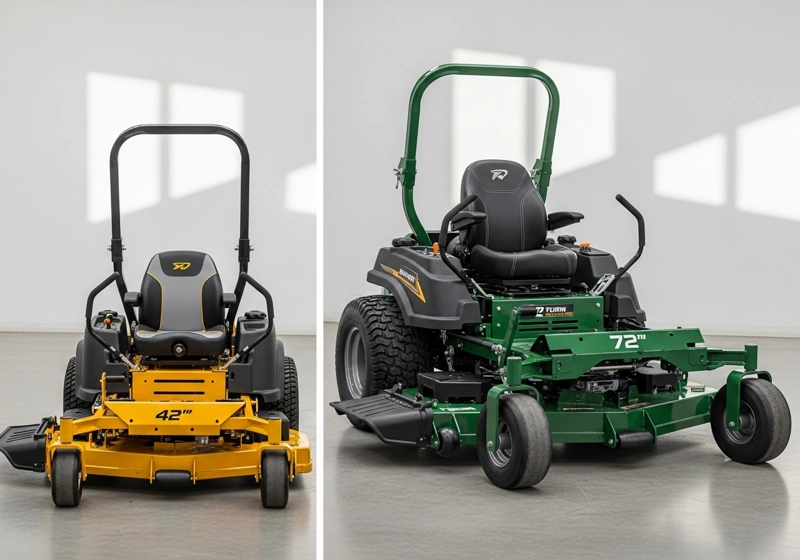
This is where most people screw up, honestly. They either go too big (thinking bigger equals better) or too small (trying to save a few hundred bucks).
For properties under 2 acres, the sweet spot lives in that 42-48 inch range. Anything smaller and you’re not gaining much efficiency over a traditional rider; anything larger and you’re creating storage headaches and maneuverability issues you didn’t expect.
I learned this lesson the hard way when a customer returned a 72-inch beast because – get this – it wouldn’t fit through their backyard gate. Always, ALWAYS measure your access points first. Seems obvious, but you’d be surprised how often this gets overlooked.
Properties between 2-5 acres? That’s 50-54 inch territory. The productivity gains justify the extra width, but you’re not sacrificing precision in tight spots.
Large properties over 5 acres can handle those monster 60+ inch decks, but only if you’ve got the storage space and relatively open terrain. These things are impressive, but they can also be intimidating if you’re not accustomed to commercial-grade equipment.
Engine Power: What Actually Matters
Engine specifications often confuse everyone – manufacturers frequently throw around horsepower numbers that sound impressive but don’t tell the whole story.
For residential use, 15-25 HP handles virtually everything you’ll encounter. The fundamental consideration is matching engine power to deck size and your specific terrain challenges. Sounds technical, but it’s actually pretty straightforward.
Single-cylinder engines (typically 15-19 HP) work well for smaller decks and reasonably flat terrain. They’re lighter, more fuel-efficient, and easier to maintain. There’s nothing wrong with simplicity when it works.
Twin-cylinder engines (20+ HP) offer smoother operation, improved cooling, and enhanced longevity under heavy use. More complex, sure, but the difference in vibration and overall smoothness is noticeable during longer mowing sessions.
Commercial-grade engines, such as the Kawasaki FR series and Kohler Command Pro, are serious business. Exceptional durability, but honestly? They’re overkill for most homeowners unless you’re dealing with seriously challenging terrain or using the equipment commercially.
Transmission Types: Keep It Simple
Hydrostatic transmissions dominate the market for good reason – they offer infinitely variable speed control, smooth operation, and minimal maintenance headaches. Quality hydrostatic systems from companies like Hydro-Gear offer years of reliable service.
Manual transmissions appear in budget models, but… they don’t. You sacrifice the precise speed control that makes zero turns so efficient in the first place. It’s like buying a sports car with an automatic transmission from 1987.
Build Quality: What to Look For (and Avoid)
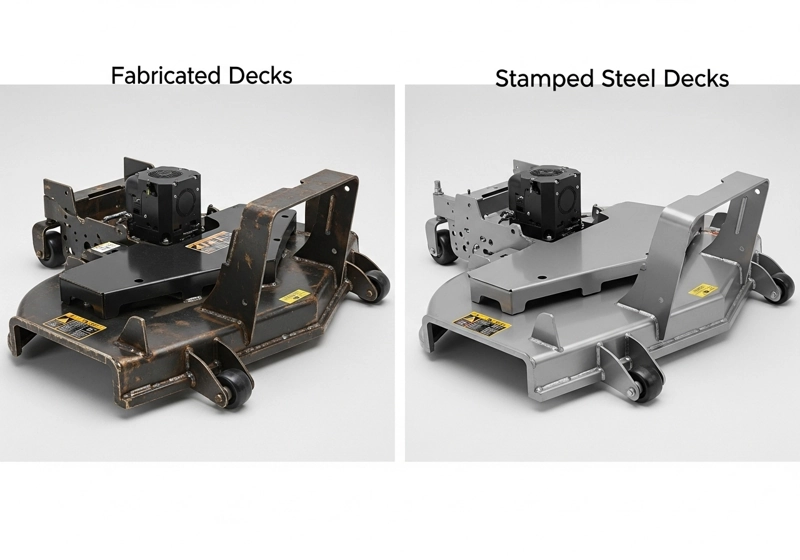
Frame construction tells you everything about long-term durability. Welded steel frames with proper reinforcement handle the stress of zero-radius turns; bolted assemblies… not so much.
Fabricated decks typically outlast stamped steel, though quality stamped decks perform adequately for residential use. The difference shows up after years of heavy use.
Wheel motor placement affects both performance and maintenance costs. High-mounted, protected wheel motors experience fewer problems than low-mounted, exposed units. Simple physics – debris and impacts cause issues.
Top-Rated Zero Turn Mowers by Category
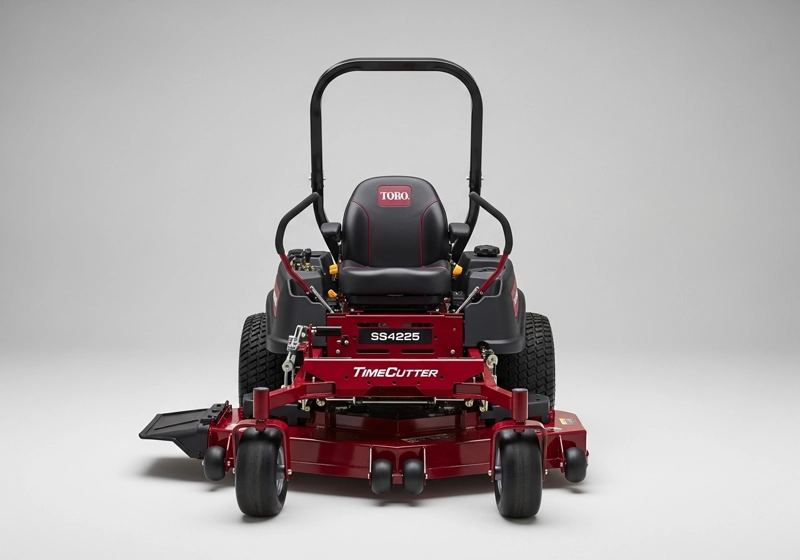
Based on extensive testing, customer feedback, and honestly, some trial and error over the years, here are my go-to recommendations for best rated zero turn mowers across different needs and budgets.
Best Overall Value: Toro TimeCutter SS4225
This machine consistently earns my top recommendation for first-time zero turn buyers. If you’re still exploring different mower options, our complete guide to lawn mower types covers all the alternatives worth considering. The 42-inch deck handles properties up to 2.5 acres efficiently – not just adequately, efficiently. The 22.5 HP single-cylinder engine provides ample power for residential applications without being excessive.
Innovative Speed technology sets this apart from competitors. You can actually customize ground speed for different conditions – slower around flower beds, faster in open areas. A brilliant feature that proves invaluable when learning or navigating challenging terrain.
Customer feedback? Overwhelmingly positive. Comfortable seat, intuitive controls, reliable starting (even in cold weather). Three seasons in, most owners report minimal maintenance beyond routine service. The 3-year warranty provides peace of mind that’s worth its weight in gold.
Best Premium Choice: John Deere Z335E
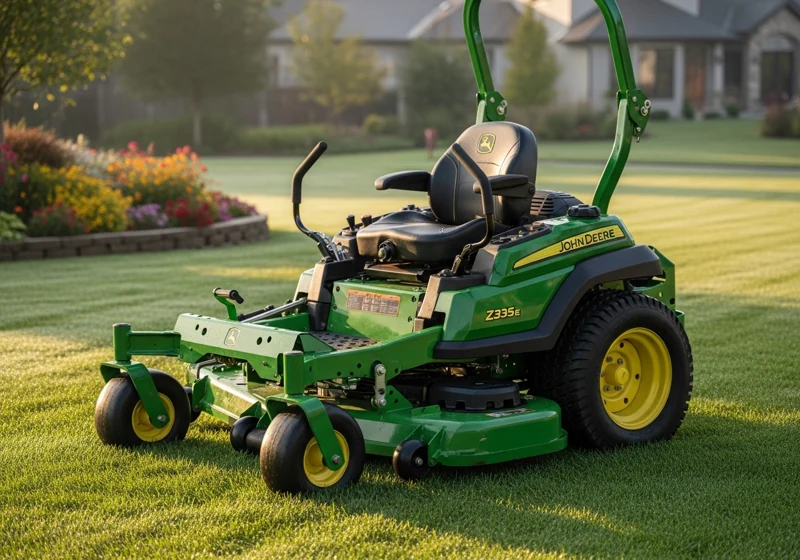
For customers willing to invest in premium quality – and I mean really invest – the Z335E represents John Deere’s residential zero turn excellence. The 20 HP single-cylinder engine, paired with a 42-inch Edge cutting deck, delivers results that truly look professional.
The build quality difference is immediately apparent. This mower feels substantial, solid, engineered rather than assembled. A comfortable seat with armrests, easy-adjust cutting height, and smooth hydrostatic transmission… you’re paying for these details, but they matter during actual use.
John Deere’s dealer network offers excellent support, although service costs tend to be higher than those of independent shops. The resale value remains strong – these hold their value better than almost any other brand.
Best Budget Option: Ariens IKON-X 42
Budget-conscious customers shouldn’t compromise on quality, and the IKON-X series proves you don’t have to. The 42-inch model combines essential zero turn capabilities with pricing that won’t require a second mortgage.
The 22 HP Kohler engine provides reliable power (Kohler makes solid engines, period). The fabricated deck offers durability advantages over stamped alternatives in this price range. Seat comfort isn’t luxury-grade, but it’s perfectly adequate for typical mowing sessions.
I’ve found the IKON-X particularly appealing to customers upgrading from walk-behind mowers who want zero turn benefits without a massive financial commitment. The quality consistently exceeds expectations for the price point.
Best for Large Properties: Hustler Raptor SDX 54
Properties exceeding 3 acres benefit significantly from increased deck productivity. The Raptor SDX with its 54-inch deck and 25 HP Kohler engine handles big jobs efficiently while maintaining precision around obstacles.
Commercial-grade components in the Hustler design provide durability that justifies the investment for heavy use. Cut quality remains consistent, even at higher ground speeds, maintaining a professional appearance across large areas.
Customer feedback consistently praises the comfortable operator platform and intuitive controls. The learning curve for new operators is minimal, making this an excellent choice for customers transitioning from smaller equipment.
Best Commercial-Grade for Homeowners: Ferris ISX 800
Serious lawn care enthusiasts who demand commercial performance should consider the ISX 800. The independent rear suspension system provides exceptional operator comfort during extended sessions while improving cut quality on uneven terrain.
The 27 HP Briggs & Stratton Commercial Turf engine delivers professional-grade power and reliability. The 52-inch deck features an adjustable baffle system, enabling customization to suit various cutting conditions and grass types.
The price point approaches commercial territory, but customers who choose this model consistently report exceptional satisfaction with both its performance and durability. The investment pays dividends for operators spending significant time mowing.
Brand Spotlight: John Deere, Toro, and Cub Cadet
Understanding brand strengths helps narrow choices when shopping for the best zero turn lawn mower. Each manufacturer brings different advantages and, honestly, different philosophies to the table.
John Deere: Premium Quality (and Premium Prices)
John Deere’s reputation for quality extends throughout its zero turn lineup, though you’ll definitely pay for that green and yellow branding. For a detailed comparison of how John Deere stacks up against other manufacturers, check out our comprehensive brand analysis. Models like the Z335E and Z355R offer exceptional build quality and reliable performance that justifies the premium.
The dealer network provides comprehensive support – arguably the best in the industry – but service costs typically run 20-30% higher than those of independent shops. Parts availability is excellent, and resale values remain strong throughout the mower’s lifespan.
John Deere cutting decks consistently deliver superior cut quality, particularly in challenging conditions. The Edge and Accel Deep decks handle thick grass and leaves better than many competitors. There’s something to be said for engineering that’s been refined over decades.
Toro: Innovation Meets User Experience
Toro’s TimeCutter series revolutionized entry-level zero turns with features like Smart Speed and genuinely comfortable operator platforms. Their focus on user experience is evident in intuitive controls and thoughtful design details that make operation, well, pleasant.
The residential focus means their zero turns are optimized for homeowner needs rather than just adapted from commercial designs. Features like convenient deck washing ports and easy-access maintenance points reflect this philosophy.
Toro’s warranty coverage is competitive, and its dealer network provides good support in most markets. Parts costs are reasonable, and many components are available through multiple suppliers – a significant advantage for long-term ownership.
Cub Cadet: Value and Versatility
Cub Cadet offers compelling value across their entire zero turn lineup, from budget-friendly models to feature-rich premium options. Their Ultima series offers commercial-grade components at residential prices – a compelling value proposition that’s hard to argue with.
The brand’s strength lies in offering multiple options within each size category, allowing customers to choose features that match their specific needs and budgets. The ZT1 series caters to budget-conscious buyers, while the ZT2 models offer premium features for those willing to invest more.
Customer service experiences vary by dealer – more so than other brands – but the company generally provides good support for warranty and parts needs. The vast dealer network ensures availability in most markets.
Where to Find Zero Turn Mowers for Sale
Shopping for zero turn mowers for sale requires understanding the trade-offs between different purchasing channels. Your choice affects not just initial price but also long-term support and overall satisfaction.
Authorized Dealers: Full-Service Experience
Local authorized dealers offer the most comprehensive purchasing experience, although you’ll typically pay higher prices than through alternative channels. The advantage lies in professional setup, warranty support, and ongoing service relationships that matter more than you might expect.
Quality dealers offer test rides – take full advantage of this opportunity. Experiencing different models before purchasing reveals differences that specs don’t capture. They’ll also provide proper setup and initial operation instructions, valuable services for first-time zero turn buyers.
Seasonal promotions at dealers often provide better value than year-round online pricing. Spring and fall typically offer the best combination of selection and competitive pricing as dealers clear inventory.
Big Box Retailers: Convenience and Competitive Pricing
Home improvement stores like Home Depot and Lowe’s carry popular zero turn models with competitive pricing. The selection focuses on mainstream brands and models that ideally suit the needs of most homeowners.
Assembly quality varies significantly depending on the technician performing the work – this is where you need to be careful. Request proof of proper assembly and testing before accepting delivery. Please don’t be shy about this; it’s your investment.
Service support through big-box retailers is limited, although they typically honor manufacturer warranties. For ongoing maintenance and repairs, you’ll need to find independent service providers – factor this into your decision.
Online Retailers: Maximum Selection and Pricing
Online platforms offer the widest selection and often the most competitive pricing on zero turns for sale. However, shipping costs for heavy equipment can offset some price advantages – always calculate the total delivered cost.
Assembly becomes your responsibility with online purchases, requiring mechanical aptitude and proper tools. Improper assembly can void warranties and create safety hazards – seriously consider these costs in your purchase decision.
Return policies for large equipment purchases online can be complex and expensive. Thoroughly understand the terms before ordering, particularly regarding shipping costs for returns and refunds.
Seasonal Timing Strategies
Late fall offers the best pricing on current-year models as dealers clear inventory for next year’s models. Selection becomes limited as popular models sell out – there’s always a trade-off.
Early spring offers the widest selection but minimal discounting. If you need specific features or models, spring purchasing ensures availability at a higher price.
End-of-season sales in late summer can offer excellent deals on demonstration models and last year’s inventory. These units often include dealer setup and may come with extended warranties – sometimes offering the best deals of the year.
Zero Turn Mower Maintenance and Care Tips

Proper maintenance ensures your zero turn investment provides years of reliable service. Here’s what I’ve learned from servicing hundreds of these machines and making some expensive mistakes along the way.
Engine Care: The Heart of Everything
Regular oil changes represent the most critical maintenance task, period. I recommend changing oil every 25 hours of operation or annually, whichever comes first. Use manufacturer-specified oil viscosity – typically 10W-30 for most climates, though always check your manual.
Air filter maintenance becomes critical with zero turns, as dust is generated during operation. Check filters after every 10 hours of use and replace when cleaning no longer restores proper airflow. Neglect this and you’ll be looking at expensive engine repairs.
Replacing the spark plug annually ensures reliable starting and optimal engine performance. Use genuine manufacturer plugs when possible – aftermarket alternatives sometimes cause starting issues that’ll drive you crazy on Saturday mornings.
Hydrostatic Transmission Service
Most homeowners overlook transmission maintenance until problems arise. Don’t be like most homeowners. Check fluid levels monthly and change transmission oil every 100 hours or as specified in your owner’s manual.
Keep cooling fins clean and debris-free to prevent overheating damage. Transmission failures often result from overheating caused by blocked cooling airflow – simple prevention saves thousands in repairs.
Cutting Deck Maintenance
Sharp blades are essential for healthy grass and efficient operation. I recommend blade sharpening or replacement at least twice a season, more frequently if you frequently encounter rocks or debris. Dull blades tear grass rather than cutting it cleanly.
Clean the deck after each use to prevent grass buildup, which can cause corrosion and affect the quality of the cut. Many newer models feature deck washing ports that significantly simplify this process.
Seasonal Storage Preparation
Proper winterization prevents costly spring surprises. Stabilize fuel or run the tank dry to avoid problems with the carburetor. Change oil before storage to remove contaminants that can damage internal components over winter.
Clean the entire machine thoroughly before storage, paying particular attention to the deck and engine cooling areas. Apply rust preventative to exposed metal surfaces in humid climates – trust me on this one.
Choosing the right zero turn mower transforms lawn care from a weekend-consuming chore into an efficient, genuinely enjoyable task. The time savings alone justify the investment for most homeowners with properties over half an acre. At the same time, the precision cutting capabilities deliver professional-quality results that enhance the appearance and value of your property.
Remember, the best zero turn mower for your specific situation depends on your property size, terrain challenges, and budget constraints – not what your neighbor bought or what looks coolest at the dealer. Take time to test drive different models at local dealers; the investment in finding the right machine pays dividends in satisfaction and performance for years to come.
Trust me on this one: once you experience the efficiency and precision of a quality zero turn, you’ll wonder why you waited so long to upgrade. Your weekends will thank you, your back will thank you, and your neighbors will definitely notice the difference in your lawn’s appearance.
Start shopping with confidence, knowing you have the insider knowledge to make informed purchase decisions. Whether you choose an entry-level model or invest in premium features, you’re joining millions of homeowners who’ve discovered that zero turn mowers represent one of the smartest investments in lawn care equipment available today. For homeowners exploring automated alternatives, our robotic lawnmower buyer’s guide provides an overview of the latest hands-free lawn care technology.
The primary advantage is maneuverability – zero turns can literally pivot in place, eliminating the need for wide turns and multiple passes around obstacles. This translates to significant time savings, with mowing typically 40-50% faster for most properties. The rear-wheel steering also provides superior control and precision around landscaping features. Once you experience it, traditional riders often feel that they are clunky and inefficient.
Quality residential zero turn mowers range from $3,000 to $8,000, depending on features and deck size. Entry-level models around $3,000-$4,000 offer excellent value for first-time buyers – you’re getting genuine zero turn benefits without premium pricing. Premium residential models in the $6,000-$8,000 range provide commercial-grade durability and enhanced comfort features that justify the investment for heavy users.
Commercial models feature heavier-duty components designed for daily professional use, including thicker frame construction, commercial-grade engines, and reinforced transmissions that can withstand abuse. They also include larger fuel tanks, enhanced cooling systems, and often suspension systems for operator comfort. Residential models are optimized for homeowner needs, featuring easier maintenance access, more comfortable seating, and user-friendly controls.
Toro and Ariens consistently deliver excellent value by combining quality components with competitive pricing. Toro’s TimeCutter series offers innovative features at reasonable prices, while Ariens IKON models provide commercial-grade durability in budget-friendly packages. John Deere commands premium pricing but delivers exceptional resale value that often justifies the initial investment.
For properties under 2 acres, 42-48 inch decks provide the optimal balance of efficiency and maneuverability – you get significant time savings without sacrificing precision in tight spaces. Properties between 2-5 acres benefit from 50-54 inch decks, which increase productivity without becoming unwieldy. Larger properties over 5 acres can justify 60+ inch decks, but ensure adequate storage space and access clearance before selecting oversized models.
