
Electric Lawn Mower Maintenance: Cordless and Corded Care Guide
So there I was last Saturday, watching my neighbor Jim wrestle with his three-year-old electric mower. Things kept cutting out every few minutes. “Must be a lemon,” he muttered, already talking about buying a replacement.
Table of Contents
▼- The Truth About Electric Mower Maintenance Nobody Talks About
- Tip 1: Keep That Deck Cleaner Than Your Kitchen Counter
- Tip 2: Treat Your Battery Like the Expensive Investment It Is
- Tip 3: Sharp Blades Aren’t Optional, They’re Critical
- Tip 4: Baby Those Electrical Connections
- Tip 5: Lubricate What Needs It, Leave Everything Else Alone
- Tip 6: Store It Right or Pay Later
- Tip 7: Stay Ahead of Problems With Regular Check-ups
- The Mistakes That Kill Electric Mowers Early
- Why Electric Mowers Actually Need More Attention Than You Think
- How to Tell Your Maintenance Is Working
- The Real Cost of Maintenance (It’s Less Than You Think)
- When to Call for Backup
- The Bottom Line: Small Efforts, Big Payoffs
Twenty minutes later, after I’d shown him how to clean the deck and check his connections properly, his mower was purring like a kitten again. Jim’s not lazy or clueless. He just didn’t know that electric mowers need different care than the old gas beasts we grew up with.
This happens way too often. I see perfectly good electric mowers heading to the scrap heap because nobody taught their owners the basics of electric lawn mower maintenance. And honestly? It drives me crazy because these machines will run for decades if you just know what they need.
Look, I get it. Electric mowers seem almost maintenance-free compared to gas models. No oil changes, no spark plugs, no carburetor cleaning. But that doesn’t mean you can just ignore them completely. After eleven years of fixing, maintaining, and recommending electric mowers in Texas, I’ve figured out exactly what keeps these things running strong.
The Truth About Electric Mower Maintenance Nobody Talks About
Here’s what the manufacturers don’t tell you upfront: electric mowers might have fewer parts, but the parts they do have work a lot harder. Your battery system, for instance, is basically the heart, lungs, and fuel tank all rolled into one. Neglect it, and you’re looking at a $200+ replacement in a couple of years instead of getting a decade of solid service.
Electric motors? They’re efficient, but they need sharp blades to do their job right. Dull blades don’t just cut poorly; they’ll actually drain your battery faster and stress the motor.
The electrical connections are another thing entirely. Leave moisture or debris on those contacts, and you’ll start getting intermittent power issues that’ll make you think the whole mower’s shot.
But here’s the good news: once you know what to focus on, maintaining an electric mower is actually easier than maintaining a gas one. Takes less time, costs less money, and there’s no greasy mess to deal with.
Tip 1: Keep That Deck Cleaner Than Your Kitchen Counter
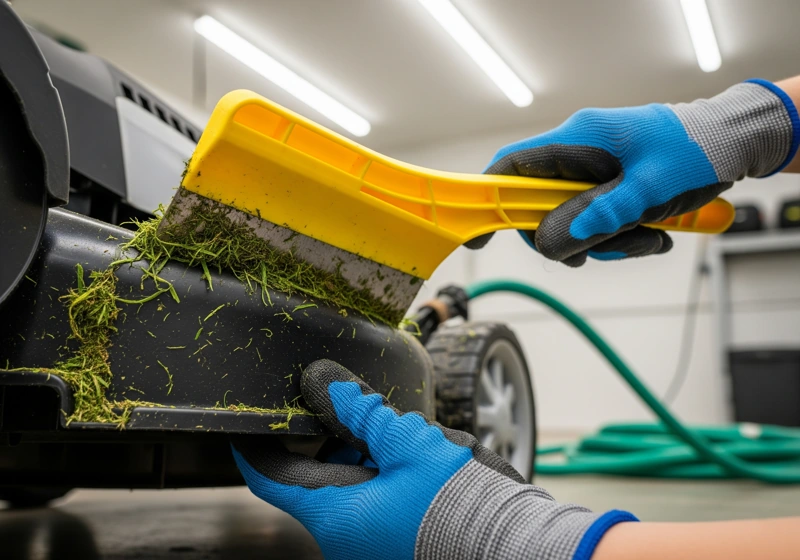
I’m not kidding about this one. Grass clippings stick to electric mower decks like nobody’s business, especially when the grass is even slightly damp. And unlike gas mowers that run hot enough to dry things out, electric mowers stay relatively cool. Translation? That wet grass just sits there, building up into a concrete-hard mess.
My cleaning routine is embarrassingly simple:
- Pop the battery out first (learned this the hard way)
- Flip the mower on its side
- Use an old spatula to scrape off the worst chunks
- Garden hose on a gentle spray to rinse
- Let it air dry completely before putting it away
I do this every third mow or so. Takes maybe ten minutes tops. But here’s why it matters: all that built-up crud creates drag. Your motor has to work harder, your battery drains faster, and eventually the whole cutting system gets less efficient.
Last summer, I helped my sister-in-law with her Ryobi (one of the top electric mower brands that was “dying” Turned out the deck was so caked with old grass that the blade could barely spin freely. Twenty minutes of cleaning later, it was cutting like new again. She felt pretty silly, but honestly, how was she supposed to know?
Quick tip: if the grass is really stuck on there, let the mower sit in the sun for a bit first. Heat makes the dried grass easier to scrape off.
Tip 2: Treat Your Battery Like the Expensive Investment It Is
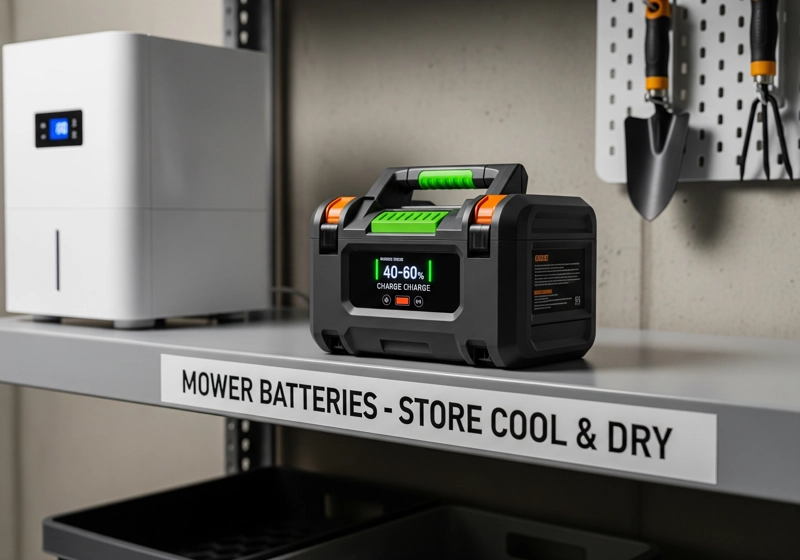
This is where most people mess up their cordless lawn mower maintenance. Batteries are weird, finicky things with their own rules. Ignore those rules, and you’ll be buying a new battery every couple of years instead of getting seven or eight seasons out of one.
Storage is the big one. Most folks just leave their battery wherever after the last cut of fall. Bad idea. Lithium batteries hate being stored fully charged or completely dead. The sweet spot is somewhere around 40-60% charge for winter storage.
Here’s my battery routine:
- After the last mow of the season, I use the battery until it’s about half dead
- Store it in my basement (cool and dry)
- Check on it once during winter, top it off if needed
- First mow of spring, it fires right up
Charging habits matter too. I used to leave my battery on the charger all the time. “Keeps it ready,” I thought. Nope. That constant trickle charge actually shortens battery life. Now I charge it, unplug it when it’s done, and my batteries are lasting way longer.
Temperature is another thing. Don’t charge a hot battery, and don’t try to use a cold one. I keep a backup battery, and during the summer I’ll rotate them. One runs while the other cools down. Works great, and neither battery gets overworked.
Oh, and use the right charger. I know generic replacements are tempting when they’re half the price, but they’re not worth it. Stick with the manufacturer’s charger unless you enjoy replacing batteries.
Tip 3: Sharp Blades Aren’t Optional, They’re Critical
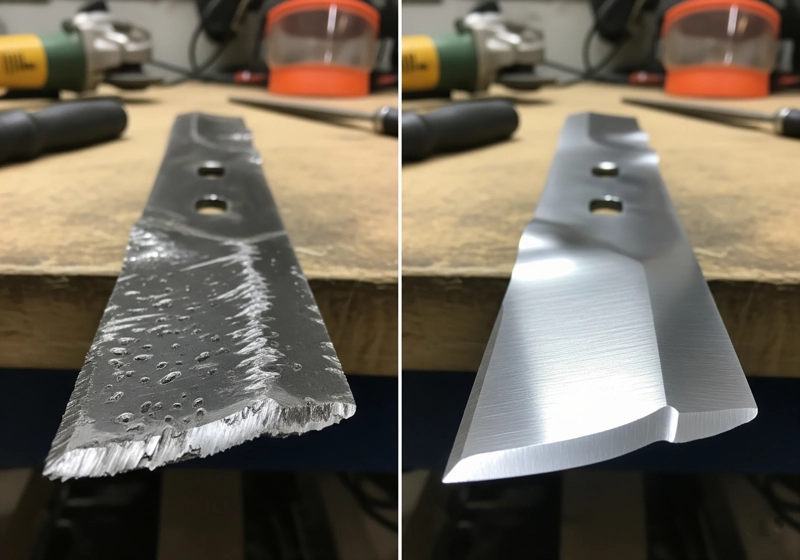
Gas mower guys can get away with letting their blades go dull for ages. Electric mower owners don’t have that luxury. Dull blades on an electric mower are like trying to cut paper with a butter knife; it sort of works, but you’re working way harder than you need to.
Signs your blade needs attention:
- Grass tips look brown after cutting (instead of clean green)
- The battery seems to drain faster than usual
- Mower bogs down in normal grass
- You’re making multiple passes to get a decent cut
I sharpen my blade twice a season, spring and mid-summer. Used to take it to the shop, but honestly, it’s pretty easy to do yourself if you’ve got a file or an angle grinder. Just remember to check the balance afterward. Unbalanced blades will shake your mower apart over time. If you’re unsure about choosing the right replacement blade for your specific model, the process is more straightforward than most people think.
To check the balance, I hang the blade on a nail through the center hole. If one side consistently drops, file a little material off the heavy side until it stays level. Simple as that.
New blades run about $25-40, depending on your mower. Professional sharpening is usually around $15. Either way, it’s cheaper than replacing a motor that’s been stressed by dull blades for two seasons.
Safety reminder: always disconnect the power before touching anything near that blade. I’ve seen too many stitches from people who thought the mower was “definitely off.”
Tip 4: Baby Those Electrical Connections
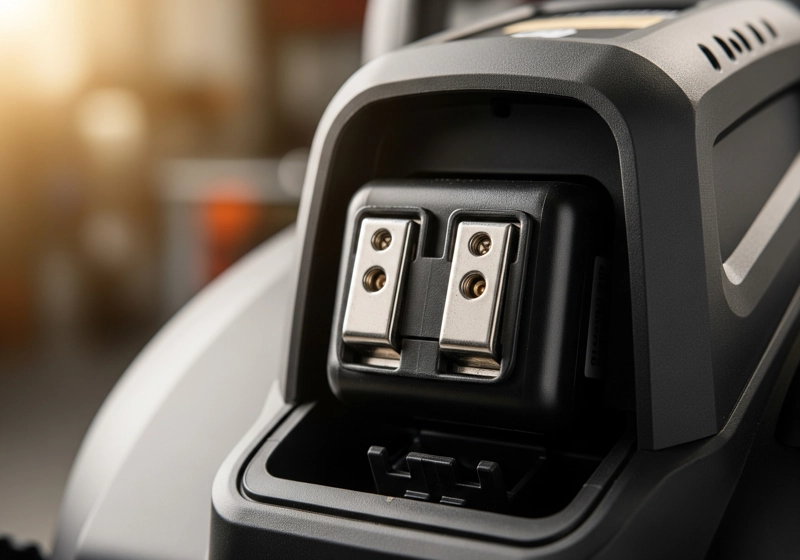
This is where electric lawn mower care gets different from anything you learned with gas mowers. Those little electrical connections are absolutely critical, and they’re surprisingly fragile.
Battery terminals are the obvious ones. Keep them clean and dry. If you see any white or green crusty stuff (corrosion), clean it off with a dry cloth. Don’t use water or any kind of cleaner unless your manual specifically says it’s okay.
The charging port is another spot to watch. Debris loves to collect in there, and if it gets wet, you can have problems. I blow mine out with compressed air every few weeks during mowing season.
Safety key connections (if your mower has one) need to be snug and clean. Loose connections here can cause all sorts of intermittent issues that make you think the mower’s going bad when really it’s just a dirty contact.
For corded mowers, check the power cord regularly. Look for any nicks, cuts, or worn spots. Extension cord connections should be tight and dry. A loose connection can cause a voltage drop, which makes your mower work harder and can eventually damage the motor. If you’re dealing with cord management issues regularly, it might be worth considering the differences between corded vs. cordless electric mowers for your next upgrade.
Every month or so, I’ll grab a flashlight and take a good look at all the electrical bits I can see. Doesn’t take long, and it’s caught several small problems before they became big ones.
Tip 5: Lubricate What Needs It, Leave Everything Else Alone
Electric mowers don’t need nearly as much lubrication as gas models, but what they do need is important. The trick is knowing what to lubricate and what not to touch.
Wheel bearings (if they’re serviceable) get a few drops of light oil twice a year. Height adjustment mechanisms appreciate a little lubrication too, especially if they’re starting to feel stiff or sticky.
Handle pivot points, deck adjustment levers, anything that moves and looks like it could use some help. Just a few drops of 3-in-1 oil or whatever your manual recommends.
What NOT to lubricate: anything electrical, the motor housing, or battery connections. These are either sealed units or places where oil could cause problems.
I keep a small oil can on my garage workbench specifically for mower maintenance. Spring and fall, I’ll spend maybe fifteen minutes going around, hitting all the pivot points and moving parts. Keeps everything operating smoothly and prevents stuff from seizing up.
Over-lubrication is worse than under-lubrication, by the way. Too much oil just attracts dirt and grass clippings, which creates its own problems.
Tip 6: Store It Right or Pay Later
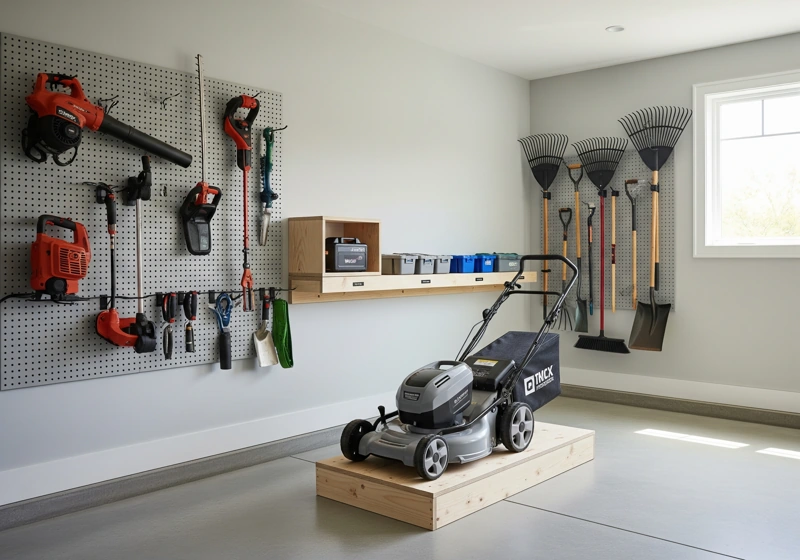
This might be the most overlooked part of how to maintain an electric lawn mower. Proper storage can literally double your mower’s life, while bad storage can kill it in a couple of seasons.
Battery storage is the big one for cordless models. I already covered the charge level thing, but location matters too. My garage gets pretty hot in Texas summers, so I actually bring the battery inside during the worst months. Batteries hate heat almost as much as they hate being stored at full charge.
For the mower itself, clean it thoroughly before putting it away for winter. All that grass and debris holds moisture, which leads to rust and corrosion. I give mine a [complete cleaning in late fall](link-to: The Importance of Cleaning Your Lawn Mower), let it dry completely, then put a light coating of spray oil on any bare metal. Winter storage is just one part of proper winterization steps that’ll protect your investment during the off-season.
Store it in the driest spot you can manage. If your garage tends to get humid, consider a dehumidifier or at least some moisture-absorbing packets near the mower.
And keep it off the concrete floor if possible. Concrete can wick moisture, and that moisture can find its way into places you don’t want it. I built a simple wooden platform for mine, which cost maybe $15 in lumber.
Year-round, try to keep it out of direct sunlight and away from temperature extremes. UV rays can degrade plastic components over time, and constant heating and cooling cycles are hard on electronics.
Tip 7: Stay Ahead of Problems With Regular Check-ups
The best electric lawn mower maintenance is preventive maintenance. Catching small issues before they become big problems saves time, money, and frustration.
My monthly routine is pretty simple:
- Start it up, let it run for a few minutes
- Listen for any unusual sounds
- Check cutting quality on a small patch
- Look over all the connections and moving parts
- Test battery runtime against what I expect
I keep a little notebook in my garage where I jot down anything unusual. Sounds obsessive, but it’s actually been super helpful. When my mower started taking longer to reach full speed, I had notes showing it had been gradual over several weeks. Turned out to be a dirty connection, easy fix.
Performance changes are usually gradual. You might not notice your battery lasting a little less each week, but if you’re paying attention, you can spot trends before they become problems.
Things to watch for:
- Longer charge times
- Shorter runtime
- Motor is struggling in the grass that used to be easy
- Vibration or unusual noises
- Loose bolts or connections
Most issues start small and get worse over time. Regular check-ups let you catch them while they’re still small and cheap to fix.
The Mistakes That Kill Electric Mowers Early
After helping dozens of neighbors troubleshoot their electric mowers, I’ve seen the same mistakes over and over. Here are the big ones that’ll shorten your mower’s life:
Hosing it down like a car. Electric components and high-pressure water don’t mix. I’ve seen more than one mower killed by well-meaning cleaning.
Leaving the battery on the charger constantly. This one’s tough because it seems logical. Keep it charged, keep it ready. But constant trickle charging actually shortens battery life significantly.
Using cheap replacement parts. Generic batteries and chargers might save money upfront, but they often cause more problems than they solve. Stick with manufacturer parts or quality third-party options with good warranties.
Ignoring the manual. I get it, manuals are boring. But each mower has its own quirks and requirements. Five minutes of reading the maintenance section can save you hours of trouble later.
Waiting until something breaks. By the time you notice a problem, you’ve often missed the window for easy prevention. Regular maintenance catches issues while they’re still small.
Why Electric Mowers Actually Need More Attention Than You Think
People always ask me: “Do electric lawn mowers need maintenance?” The answer is absolutely yes, just different maintenance than gas mowers.
Gas mowers are like old pickup trucks. They’ll run poorly for years before finally dying. Electric mowers are more like smartphones. When they start having problems, they go downhill pretty fast.
But that’s not necessarily a bad thing. Electric mower problems are usually easier to diagnose and fix. And when you take care of them properly, they’re incredibly reliable.
The maintenance is cleaner, quieter, and generally less hassle than gas mower upkeep. No oil changes, no spark plugs, no dealing with old gasoline. Just different priorities: battery care, electrical connections, and keeping things clean.
How to Tell Your Maintenance Is Working
Good maintenance shows itself in consistent performance over time. Here’s what I look for:
Battery runtime stays predictable season after season. Sure, it’ll drop a bit as the battery ages, but it should be gradual, not sudden.
Starts consistently every time. Electric mowers should fire right up with the press of a button. If you’re having to try multiple times or wait for it to “warm up,” something needs attention.
Cuts cleanly without multiple passes. Sharp blades and a clean deck mean efficient cutting. If you’re going over the same spot repeatedly, maintenance is overdue.
No unusual sounds or vibrations. Electric mowers should run quietly and smoothly. Any changes in how they sound or feel are worth investigating.
My current mower is in its sixth season and still runs like it did when new. The battery doesn’t last quite as long as it used to, but that’s normal aging. Everything else performs exactly like I expect it to.
The Real Cost of Maintenance (It’s Less Than You Think)

Let’s talk dollars and cents, because that’s what really matters to most homeowners.
Annual maintenance costs for my electric mower:
- Blade sharpening: $15 twice a year = $30
- Lubricating oil: maybe $5 worth over the whole season
- Cleaning supplies: basically free (garden hose and old rags)
- Time: maybe 4-6 hours spread across the year
Total: around $35 per year plus a few hours of easy work.
Compare that to gas mower maintenance:
- Oil changes: $25+ per year
- Air filter: $15
- Spark plug: $10
- Fuel stabilizer: $8
- Time: 6-8 hours, including messier jobs
Plus, all the hassle of dealing with gas, oil disposal, and more complex maintenance procedures.
The electric mower wins hands down on both cost and convenience. And if proper maintenance doubles the life of your mower (which it absolutely can), you’re looking at serious long-term savings.
When to Call for Backup
Most electric lawn mower care can be handled by any homeowner with basic tools and common sense. But there are times when professional help is worth the cost:
Motor problems that go beyond cleaning and connection checks. If your mower is still experiencing issues after you’ve addressed the basics, refrain from disassembling the motor.
Battery replacement on older models. Some batteries are easy to swap; others require partial disassembly. If you’re not comfortable with that level of work, let a pro handle it.
Warranty repairs. Don’t void your coverage by taking unnecessary risks with repairs. If it’s still under warranty, use it.
Electrical troubleshooting beyond the obvious. If you’ve cleaned all the connections and checked all the obvious stuff, but you’re still having electrical issues, that’s specialist territory.
Most small engine shops now service electric mowers, and many offer tune-up packages that can complement your home maintenance routine. A professional once-over every few years isn’t a bad investment. For more complex issues beyond basic maintenance, our comprehensive maintenance and troubleshooting guide covers everything from diagnosis to professional repair options.
The Bottom Line: Small Efforts, Big Payoffs
Of course, maintenance is just one piece of the puzzle. If you’re weighing your options between different mower types, understanding the [environmental impact of your lawn care choices](link-to: The Environmental Impact of Lawn Mowers: Why Eco-Friendly Options Matter) can provide a valuable perspective. For those specifically interested in battery technology, battery powered electric lawn mowers represent one of the most sustainable mowing solutions available today.
Electric lawn mower maintenance isn’t rocket science, but it is different from what most people learned with gas mowers. Focus on the battery, keep things clean, maintain those electrical connections, and stay ahead of problems with regular check-ups.
The reward is a mower that’ll serve you reliably for years beyond what you’d normally expect. I’m still using the same mower I bought six seasons ago, and it’s showing no signs of slowing down. My neighbor Jim, after that deck cleaning lesson, got three more good years out of his “lemon” before finally upgrading to a bigger model.
Whether you’re running a simple corded unit or a high-end cordless setup, these principles will keep you cutting grass instead of shopping for replacements. Start with the basics: clean that deck, take care of your battery, and keep those blades sharp. Everything else builds from there. And if you’re still in the market or considering an upgrade, choosing the right lawn mower for your specific yard size and terrain makes all the difference.
Your future self will appreciate the effort when you’re still enjoying reliable performance while your neighbors are dealing with expensive repairs or premature replacements. Trust me on this one, a little maintenance goes a long way with electric mowers.
What’s the biggest maintenance challenge you’re facing with your electric mower? Sometimes the best solutions come from sharing experiences with other homeowners who’ve been through the same issues. Don’t be afraid to ask questions or try something new. These machines are more forgiving than you might think.
Yes, electric mowers absolutely need maintenance, but it’s different from gas mowers. Focus on battery care, keeping the deck clean, maintaining sharp blades, and checking electrical connections. While there are no oil changes or spark plug replacements, proper maintenance can double your mower’s lifespan from 3-4 years to 7-8 years.
Battery-powered mower maintenance centers on proper battery care: store at 40-60% charge in cool, dry conditions, avoid leaving on charger constantly, and rotate batteries during hot weather. Also, clean the deck after every few uses, keep blades sharp, and inspect electrical connections monthly. Remove the battery for winter storage indoors.
Always disconnect the battery first for safety. Flip the mower on its side and use a plastic scraper to remove grass buildup from the deck. Rinse gently with a garden hose (avoid high pressure), then let it air dry completely before storage. Clean the deck every third mowing to prevent performance issues.
No, don’t leave your battery on the charger constantly. This shortens battery life through continuous trickle charging. Charge the battery fully, then unplug it when done. For winter storage, charge to about 50% and store in a cool, dry place. Check once during winter and top off if needed.
Electric mower maintenance includes: cleaning the deck every few uses, proper battery storage and charging habits, sharpening blades twice per season, checking electrical connections monthly, lubricating moving parts (wheels, height adjustments) twice yearly, and thorough cleaning before winter storage. Focus on battery care, cleanliness, and electrical connections.
With proper maintenance, electric mowers typically last 7-10 years. The battery usually needs replacement every 5-7 years, costing $100-200. Without maintenance, expect only 3-4 years of service. Key factors affecting lifespan include battery care, regular cleaning, blade maintenance, and proper storage conditions.
