
Eco-Friendly Lawn Mower Maintenance: Tips for Longevity
You know what really gets under my skin? Watching perfectly good mowers get tossed in the trash because nobody taught their owners how to take care of them. I’m Emma Andersen, and after ten years of getting my hands dirty fixing every brand of mower you can imagine, I’ve got some strong opinions about maintenance. The thing is, when you combine smart lawn mowing tips with proper care, your mower doesn’t just last longer, it performs like a champ while you’re doing the planet a favor by reducing equipment waste.
Table of Contents
▼- Proper Lawn Mowing Techniques for Equipment Longevity
- Professional Mowing Tips for Perfect Results
- Lawn Mowing Tips and Tricks for Efficiency
- Eco-Friendly Mowing Practices for Maximum Longevity
- Spring Mowing Tips and Seasonal Care
- Equipment-Specific Maintenance Tips
- Troubleshooting Before You Call Me
- The Twenty-Year Mower Story
- Getting It Right From Here
I had this one customer, Mrs. Rodriguez, who brought me her father’s old Toro from 1987. Things still ran like a dream because he’d treated it right. Quality brands like Toro are built to last when maintained properly – you can read more about top lawn mower brands and their reliability. Meanwhile, her neighbor was on his fourth mower in six years. Guess which approach costs less and creates less waste?
Proper Lawn Mowing Techniques for Equipment Longevity
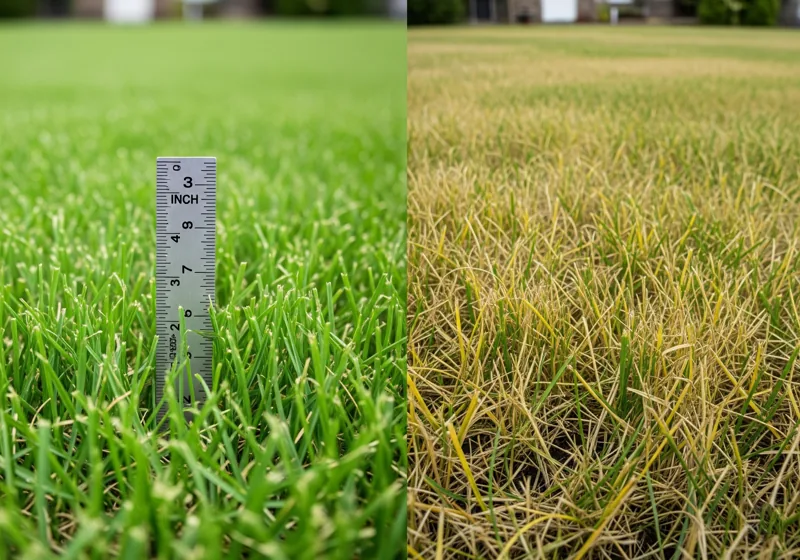
Look, I get it. You want to get the mowing done fast so you can move on with your weekend. But here’s what I’ve learned from fixing mowers that died young: how you mow matters just as much as how you maintain.
The One-Third Thing Actually Works: Don’t hack off half your grass in one go. I’ve pulled apart engines that burned out because someone thought they could turn their jungle into a golf course in one afternoon. Cut only a third of the blade length, and your mower won’t sound like it’s having a heart attack.
Wait for Dry Grass, Seriously: I know you’re eager to mow after that morning rain, but wet grass is like kryptonite for mowers. It clogs everything up, and then I get to spend my Saturday scraping inch-thick grass paste off someone’s deck. Not fun for either of us.
Switch Up Your Pattern: This one’s simple, but most folks never do it. Change direction every few weeks. Your grass will stand up straighter, and you won’t wear grooves in your yard or put uneven stress on your mower wheels.
Professional Mowing Tips for Perfect Results
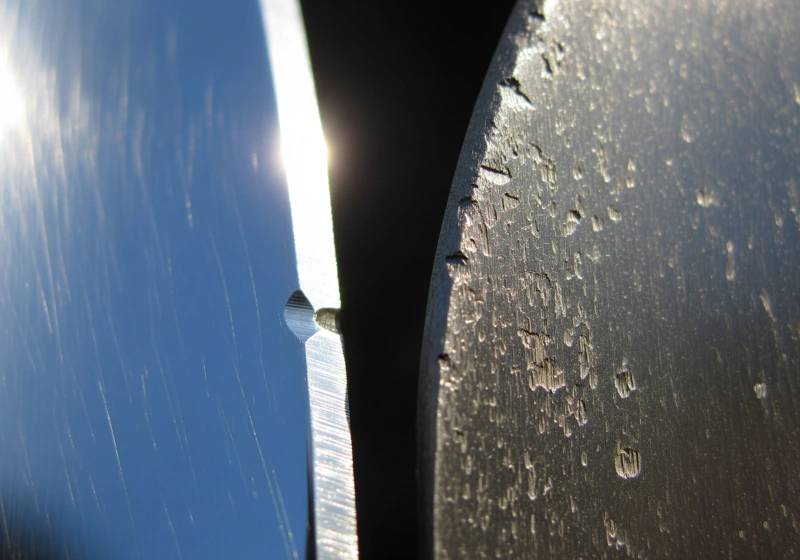
After watching customers struggle with patchy, uneven lawns, I’ve figured out what separates the pros from the frustrated homeowners:
Height Matters More Than You Think: Set your deck at 3 inches and leave it there for most of the season. University research consistently shows that taller grass develops deeper roots and requires less water. I don’t care what your neighbor does with his crew cut lawn; higher grass is healthier grass, and your mower doesn’t have to work as hard pushing through thick turf at ground level.
Sharp Blades Change Everything: A sharp blade slices clean. A dull one beats the grass to death, leaving brown tips that make your whole lawn look sick. Plus, dull blades make your engine work twice as hard. I sharpen blades every spring without fail, and again around mid-July if they’re getting rough. If you’re not confident about sharpening your mower blade safely, it’s a skill worth learning properly.
Slow Down, Speed Racer: I’ve watched people sprint behind their mowers like they’re late for work. All you get is an uneven cut and a worn-out machine. Find a pace where you can have a conversation, and stick with it.
Lawn Mowing Tips and Tricks for Efficiency
Here’s where I share the shortcuts that actually work, not the ones that’ll land your mower in my shop:
Mulching Saves Your Back and Your Mower: Side-discharge and bagging attachments are just more parts to break and more weight to push around. Mulching gives you free fertilizer and reduces engine load. Just keep that blade sharp, or you’ll be spreading grass confetti instead of fine clippings.
Map Out Your Route: I learned this from watching a landscaping crew work in my neighborhood. Start with the edges, then work in straight, overlapping lines. No zigzagging, no random patterns. Your mower tracks will thank you, and you’ll finish faster.
Check Fluids Like You Check Your Coffee: Oil should be amber, not black. Air filters should be white, not brown. The Small Engine Manufacturers Association recommends checking these components before every use for optimal performance. These aren’t suggestions, they’re the difference between a 10-year mower and a 3-year paperweight.
Eco-Friendly Mowing Practices for Maximum Longevity
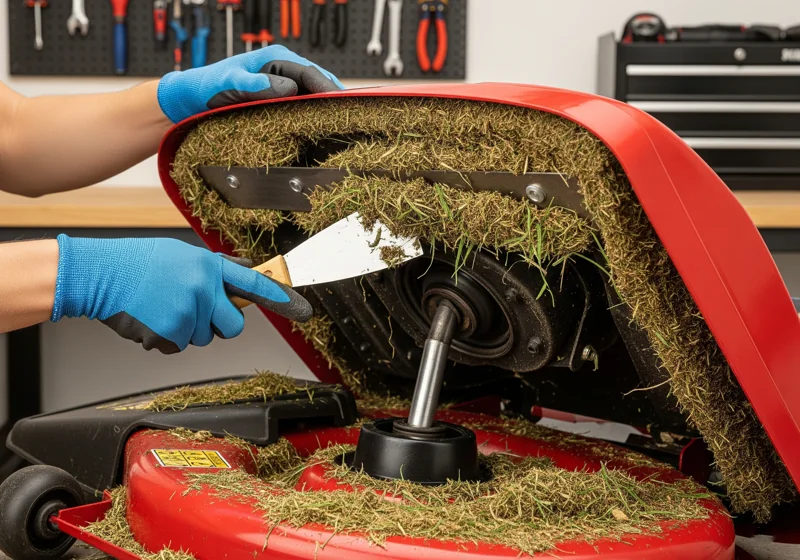
This is where my tree-hugger side meets my practical mechanic brain. Good for the earth usually means good for your wallet:
Battery Mowers Need Love Too: Those lithium batteries aren’t cheap to replace, so treat them right. Room temperature storage, regular charging, and never letting them die completely. I’ve got customers still using batteries from 2019 because they followed these rules. For more detailed care instructions, check out our complete battery mower maintenance guide.
Gas Mower Fuel Facts: Ethanol is rough on small engines. Use ethanol-free fuel if you can find it or at least stay under 10%. The EPA recommends avoiding high ethanol blends for small engines. And please, for the love of all things mechanical, use fresh fuel.
Clean as You Go: Five minutes with a putty knife after each mow beats an hour with a pressure washer once a month. Grass holds moisture, moisture causes rust, and rust kills mowers. I’ve rebuilt decks that looked like they spent winter underwater just because nobody bothered to scrape off the clippings.
Stick to the Schedule: Oil changes aren’t optional. Neither are air filter cleanings nor spark plug replacements. I keep a maintenance log for my own equipment, and I recommend the same to customers who want their mowers to last. Our complete lawn mower maintenance guide includes a downloadable maintenance schedule you can follow.
Spring Mowing Tips and Seasonal Care
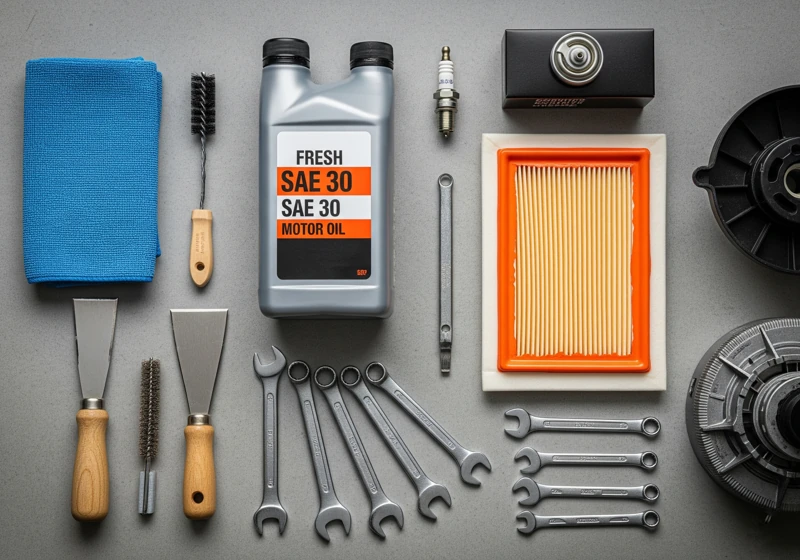
Spring is when I get the most panicked phone calls. “Emma, my mower won’t start!” Usually, it’s something simple that proper off-season care would’ve prevented:
Wake-Up Call for Your Mower: Before your first cut, give everything a once-over. Tighten bolts that worked loose over winter, check for mouse damage (yes, that happens), and make sure nothing’s bent or cracked. This is also the perfect time to follow our complete winterization checklist to prepare for the next off-season.
First Cut Strategy: Your grass probably looks rough after winter, but resist the urge to scalp it back to nothing. Go one setting lower than normal for the first cut, then return to the proper height. Shocking your grass stresses both the lawn and your mower.
Ease Back Into It: Don’t jump straight into weekly mowing if your grass is barely growing. Watch the growth rate and adjust accordingly. Over-mowing weak spring grass is like exercising after being sick; you’ll just make things worse.
Equipment-Specific Maintenance Tips
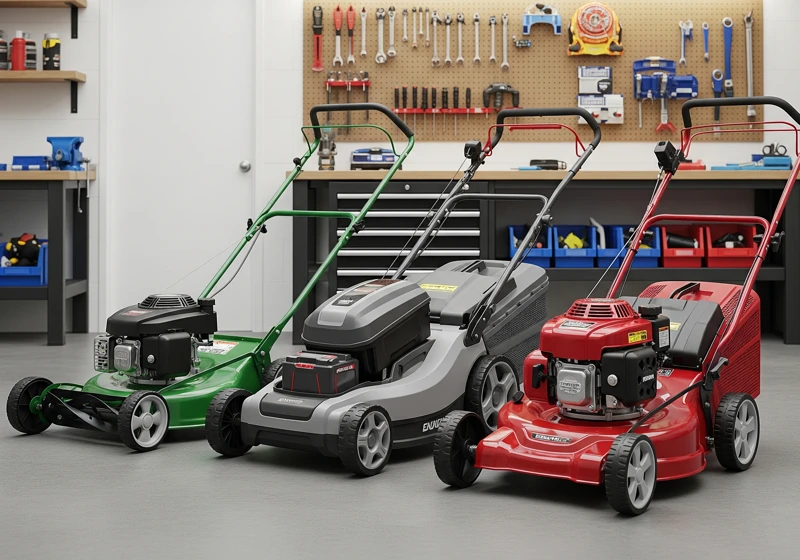
Different mowers, different needs. Here’s what I’ve learned about each type:
Push Mowers Are Tough But Not Bulletproof: Keep those wheels properly inflated and height adjusters lubricated. The cutting deck might be simple, but uneven wheels will give you an uneven cut every time.
Battery Units: Clean those battery terminals with a dry rag. Corrosion kills connections faster than you’d think. And rotate your batteries if you have spares, use them all equally instead of running one into the ground.
Gas Models: Change that oil every spring, period. I don’t care if you only used it ten times last season. Oil breaks down from temperature changes and moisture, even when sitting still. Twenty bucks for fresh oil beats a thousand-dollar engine replacement. Our comprehensive lawn mower oil change guide walks you through the entire process step-by-step.
Troubleshooting Before You Call Me
Some problems you can catch before they become expensive. Here’s what to watch for:
Weird Vibrations: Usually means your blade is bent or your engine mounting bolts are loose. Don’t ignore it. I’ve seen engine shafts crack from continued vibration damage.
Hard Starting: Nine times out of ten, it’s either old fuel, a dirty air filter, or a fouled spark plug. All are easy fixes if you catch them early.
Cut Quality Going Downhill: Check blade sharpness first, then deck height adjustment. Most cutting problems aren’t mysterious; they’re maintenance issues in disguise.
The Twenty-Year Mower Story
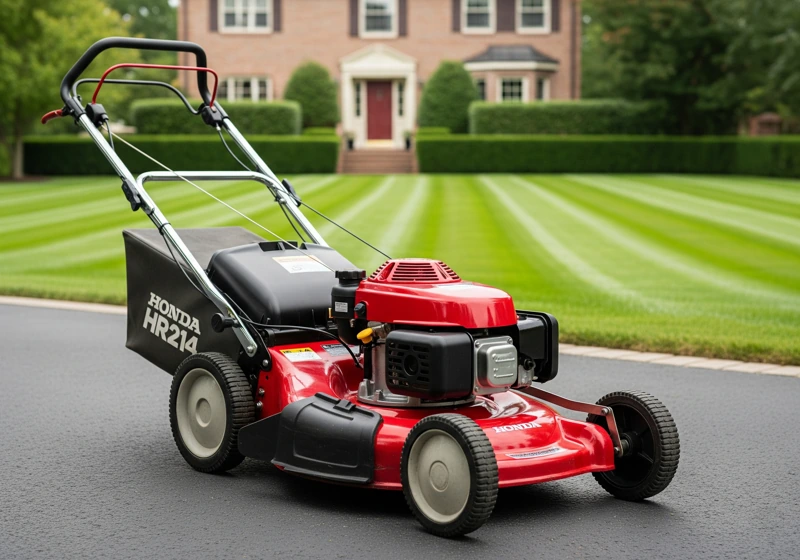
This guy brings me a 1995 Honda every spring for service. Same mower his dad bought new. Engine still purrs, deck’s solid, starts on the first pull. His secret? He actually reads the manual and does what it says. Change oil, clean the air filter, store it properly, and use good fuel. That mower has cut the same quarter-acre lawn for nearly three decades because someone cared enough to maintain it properly.
Compare that to his next-door neighbor, who’s burned through four mowers in the last eight years. Different approaches, very different results.
Getting It Right From Here
Listen, proper lawn mowing tips aren’t rocket science, but they’re not common sense either; you have to learn them somewhere. Start with a maintenance schedule you can actually stick to, keep your blade sharp, and mow at the right height. Your grass will look better, your mower will last longer, and you’ll keep one more machine out of the landfill.
The planet doesn’t need another perfectly good mower in the dump because someone couldn’t be bothered to change the oil. Take care of what you’ve got, mow smart, and that machine will take care of you for years. Trust me on this one, I’ve seen both sides of the maintenance coin, and the preventive side is a lot cheaper.
The 1/3 rule means never cutting more than one-third of your grass blade length in a single mowing session. This fundamental principle protects both your lawn and your mower. When you hack off half the grass height at once, you stress the grass and force your mower engine to work much harder, potentially leading to overheating and premature wear. Following this rule keeps your grass healthy and extends your mower’s lifespan significantly.
Always mow dry grass when possible. Wet grass clogs your mower deck, creates thick clumps that can smother your lawn, and puts extra strain on your engine. The moisture also makes grass stick to metal surfaces, leading to corrosion over time. If you must mow damp grass, go slowly and clean your deck immediately afterward to prevent buildup that can cause rust and damage.
Set your mower deck to 3 inches and keep it there for most of the growing season. This height promotes healthier grass with deeper roots while reducing the workload on your mower. Higher grass requires less frequent watering and naturally crowds out weeds. Your mower engine doesn’t have to strain pushing through thick turf at ground level, which extends its operational life.
Mow at a conversational pace – slow enough that you could talk to someone walking alongside you. Racing through your lawn creates an uneven cut and puts unnecessary stress on your mower’s engine, transmission, and cutting system. A steady, moderate pace gives you better results and keeps your equipment running smoothly for years longer.
Change your mowing direction every few weeks rather than following the same pattern repeatedly. Start with perimeter passes, then mow in straight, slightly overlapping lines. Varying your pattern prevents grass from leaning one direction, reduces soil compaction, and prevents uneven wear on your mower’s wheels and deck. This simple practice improves both lawn health and equipment longevity.
