
Best Lawn Mower Comparison 2025: Expert Buying Guide
You know that feeling when you walk into a big box store and 30 different mowers are staring at you? Yeah, I’ve been there. Actually, I lived there for about five years when I was working the floor at Johnson’s Equipment back in my twenties. Fast forward fifteen years, and I’m still helping folks figure out which mower won’t make them want to throw it in the garage and never cut grass again. That’s exactly why you need a solid lawn mower comparison from someone who has actually used these machines.
Table of Contents
▼- Electric vs Gas: The Debate That Won’t Die
- Gas Mowers: Old School Power That Just Works
- Electric: The New Kid That’s Growing Up Fast
- Push vs Self-Propelled: Your Back Will Thank You Later
- Push Mowers: Simple, Cheap, and Sometimes Perfect
- Self-Propelled: Worth Every Extra Dollar
- Robotic Mowers: Living in the Future
- The Robot Revolution
- Traditional Mowing: Still Has Its Place
- Matching Mowers to Yard Size: Size Really Does Matter
- Small Yards: Keep It Simple
- Medium Yards: The Sweet Spot for Options
- Large Yards: Time to Get Serious
- Brand Showdown: Who Really Makes the Best Mowers?
- Honda: The Gold Standard (With a Price Tag to Match)
- Toro: Innovation That Actually Makes Sense
- Craftsman: Getting Better, But Still Budget-Focused
- My Go-To Mower Recommendations for 2025
- The Real Buying Guide: What Actually Matters
- Start with Your Grass, Not the Mower
- Terrain Trumps Everything Else
- Maintenance Tolerance Test
- Storage Reality Check
- Making the Call: Your Perfect Mower Match
- Bottom Line: There’s No Perfect Mower, But There’s a Perfect Mower for You
Look, I’ve made every mistake you can make with lawn equipment. Bought the wrong mower for my first house (way too much mower for a tiny yard), nearly destroyed my back using a push mower on hills, and once spent an entire Saturday trying to start a gas mower that I’d forgotten to winterize properly. Fun times.
But here’s the good news – you don’t have to learn everything the hard way like I did. After testing more mowers than I care to count and fixing even more, I can tell you exactly what works and what doesn’t. This isn’t a generic buying guide written by someone who has never actually used these machines. This is the real deal, straight from someone whose neighbors actually come over on Saturday mornings asking for mower advice over coffee.
Electric vs Gas: The Debate That Won’t Die
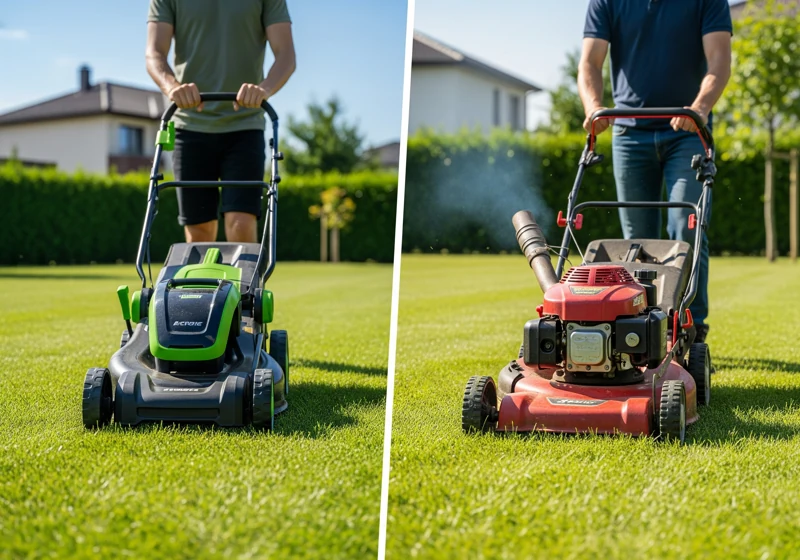
Alright, let’s tackle the big question first. Electric or gas? This argument has been raging in my shop for the last five years, and honestly, both sides have valid points.
Gas Mowers: Old School Power That Just Works
Here’s the deal with gas mowers – they’re like that reliable pickup truck your dad’s been driving for twenty years. Not the prettiest, requires some maintenance, but when you need power, it’s there.
I still use my Honda HRX217 every week on my three-quarter-acre lot. Why? Because when my grass gets a little too tall (don’t judge – sometimes life gets busy), that Honda just chews through it like nothing happened. Battery mowers? Well, let’s just say thick, overgrown grass can drain a battery faster than your teenager drains your grocery budget.
The reality nobody talks about is maintenance. Yeah, you’ll need to change the oil twice a year, replace the spark plug annually, and actually remember to add fuel stabilizer before winter storage. Sounds like a pain? Maybe. But I’ve got customers still running Honda mowers from 2010 that start on the second pull every spring.
Gas mowers also don’t care about the weather. It rained yesterday, and the grass is soaking wet. Gas mower handles it. Battery mowers get a little fussy with wet conditions, and don’t even get me started on how cold weather affects battery life. If you’re trying to decide between these two power sources, check out my comprehensive guide to gas vs electric mowers for a deeper dive into the pros and cons.
Electric: The New Kid That’s Growing Up Fast
Now, before all you gas mower folks start celebrating, let me tell you about my neighbor, Sarah. She switched to an EGO Power+ last spring, and I’ll admit it – I was skeptical. This woman’s got maybe a third of an acre, but it’s thick Kentucky bluegrass that can be pretty demanding.
That EGO has proven me wrong in a big way. Sarah cuts her grass at 7 AM on Saturday mornings now because the thing is whisper-quiet. Try doing that with a gas mower and see how popular you are with the neighbors. The instant start is pretty sweet too – no yanking on pull cords or waiting for engines to warm up.
But here’s where electric mowers really shine: consistency. Gas engines lose power as they heat up, run differently depending on fuel quality, and sometimes just have bad days. Electric motors? They deliver the same power from start to finish, every single time. This consistency, combined with zero direct emissions according to EPA standards, makes electric mowers an increasingly popular choice for environmentally conscious homeowners.
The downside? Battery replacement costs will hit you eventually. A good battery runs about $150-200, and you’ll need a new one every 3-4 years. Also, if you forget to charge it Friday night, you’re not mowing Saturday morning. No quick trip to the gas station to solve that problem.
Push vs Self-Propelled: Your Back Will Thank You Later
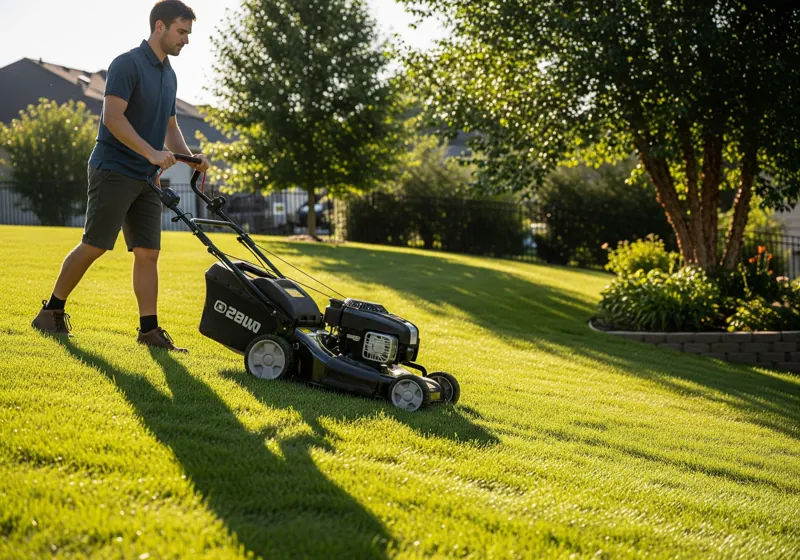
This decision usually comes down to three things: your yard’s terrain, your age, and how much you want to spend. I learned this lesson personally when I moved from my first flat-as-a-pancake starter home to my current place with actual hills.
Push Mowers: Simple, Cheap, and Sometimes Perfect
Look, if you’ve got a small, flat yard and you’re under 40, a push mower might be all you need. I sold a Honda HRN216VKA to a young couple last month with maybe a quarter-acre of perfectly level lawn. They’re getting great exercise, saving money, and the mower will probably outlast their mortgage.
Push mowers are also way easier to control in tight spaces. Ever tried backing a self-propelled mower away from a fence? It’s like trying to parallel park a shopping cart. Push mowers just go where you point them. For homeowners considering larger equipment options, my detailed comparison of riding vs push mowers breaks down when it makes sense to upgrade to riding equipment.
The maintenance is simpler, too. Fewer moving parts mean fewer things to break. My dad’s still using a Toro push mower from 1987 that’s needed nothing but blade sharpening and the occasional tune-up.
Self-Propelled: Worth Every Extra Dollar
But man, hills change everything. I spent one summer pushing a 22-inch mower up the slope behind my house, and by July, I was seriously considering artificial turf. Self-propelled changed my life – and probably saved my marriage since I stopped coming in from mowing looking like I’d run a marathon.
Here’s something most people don’t realize: there are different types of self-propelled systems. Front-wheel drive works great if your yard is mostly flat with maybe some gentle slopes. Rear-wheel drive is better for hills and gives you more control when turning. All-wheel drive exists, but unless you’re mowing the side of a mountain, it’s probably overkill.
The variable speed control is a clutch too. I can slow down around the flower beds where precision matters, then speed up on the long straightaways. Trying to keep up with a fixed-speed mower is like being dragged by an overeager dog on a leash.
Robotic Mowers: Living in the Future
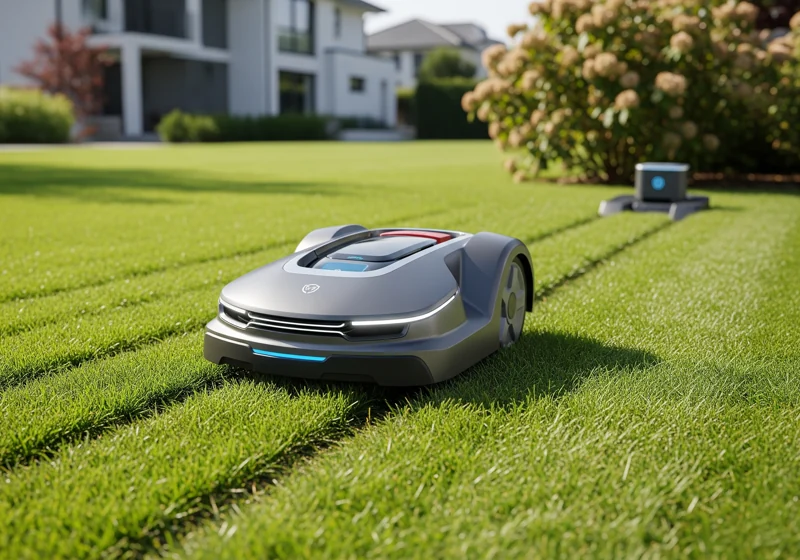
Okay, I’ll be honest – robotic mowers still feel a little weird to me. But I’ve installed enough of them now to admit they’re pretty impressive when they work right.
The Robot Revolution
My customer Jim got a Husqvarna Automower last season, and his lawn looks better than mine. I’m not even mad about it – I’m genuinely impressed. These things cut a little bit every day, which is actually the professional approach. Instead of whacking off two inches once a week like most of us, they trim just the tips daily.
The results speak for themselves. Jim’s grass is thick, green, and has that golf course look that used to require a landscaping crew. Plus, he’s been on three weekend trips this summer and came home to a perfectly maintained lawn each time.
Installation isn’t terrible if you’re handy, but it’s definitely a project. You’ll spend a Saturday afternoon laying boundary wire and setting up the charging station. The newer models are pretty smart about obstacles, but you’ll still need to pick up sticks, toys, and anything else that might confuse the sensors. Want to understand the technology behind these autonomous machines? My guide on how robotic lawn mowers actually work explains the sensors, navigation, and programming that make it all possible.
Traditional Mowing: Still Has Its Place
Sometimes I think we get so caught up in new technology that we forget why the old ways stuck around. Traditional mowing gives you control that robots just can’t match. You can see problem spots developing, adjust your cutting height for different areas, and handle seasonal tasks like mulching leaves.
There’s also something to be said for the weekly ritual. A lot of my customers actually enjoy their Saturday morning mowing routine. It’s quiet thinking time, good exercise, and there’s genuine satisfaction in seeing immediate results from your work.
Plus, when weird weather hits or you need to clean up storm debris, a traditional mower handles whatever you throw at it. Robots are great for routine maintenance, but they’re not equipped for the unexpected stuff life throws at your lawn.
Matching Mowers to Yard Size: Size Really Does Matter

This might be the most important part of this whole comparison. I’ve seen too many people buy way too much mower for a tiny yard, or try to tackle a large property with something that’s just not up to the task.
Small Yards: Keep It Simple
If you’ve got less than a quarter-acre, you really don’t need to overthink this. A basic electric push mower like the Greenworks 40V will handle your property beautifully. Battery life won’t be an issue, the weight is manageable, and storage is easy.
I sold one to Mrs. Peterson last spring for her tiny corner lot. Takes her maybe 20 minutes to cut the whole thing, and she’s done it on one charge every single week. No gas, no oil, no fuss – just plug it in when she’s done and it’s ready for next week.
For small yards, self-propelled is usually overkill unless you’ve got hills or mobility issues. Save the money and put it toward a better grass seed or some new garden tools instead.
Medium Yards: The Sweet Spot for Options
This is where most of my customers live – somewhere between a quarter-acre and three-quarters. You’ve got real choices here, and the decision often comes down to personal preference and specific challenges.
If your yard is mostly flat and you keep up with regular cutting, an electric mower works great. The EGO 21-inch self-propelled has been a popular choice this year. Good power, reliable battery life, and quiet operation that won’t annoy anyone.
But if you’ve got thick grass, hills, or you sometimes let it go a little too long between cuts, gas might serve you better. The Toro Recycler 22-inch has been my go-to recommendation for years. Starts reliably, handles tough conditions, and the Personal Pace system automatically adjusts to your walking speed.
Large Yards: Time to Get Serious
Once you’re over three-quarters of an acre, mowing becomes a real time commitment. This is where cutting deck size starts to matter a lot. Going from 21 inches to 22 inches doesn’t sound like much, but it actually reduces your mowing time by about 10%.
For large properties, I usually recommend gas for the endurance factor. Yeah, you can get electric mowers with multiple batteries, but you’re looking at serious money for that setup. A quality gas mower with a 22-inch deck will power through large yards without breaking stride.
Consider features like electric start if your budget allows it. After an hour of mowing, you’ll appreciate not having to yank a pull cord to start it back up after stops.
Brand Showdown: Who Really Makes the Best Mowers?
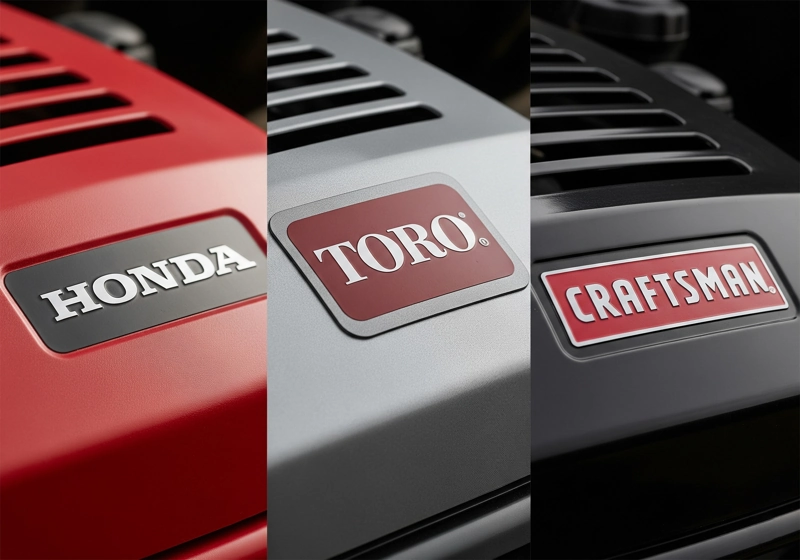
After fixing and selling mowers for fifteen years, I’ve got pretty strong opinions about which brands deliver and which ones leave customers frustrated. Let me break down the big players. For even more detailed analysis, check out my comprehensive brand reviews and comparisons covering performance, reliability, and value across all major manufacturers.
Honda: The Gold Standard (With a Price Tag to Match)
Honda mowers are like Toyota Camrys – not flashy, but they’ll run forever if you take care of them. I’ve got customers with Honda mowers from 2005 that still start on the first pull every spring. The build quality is just different – heavier components, better engineering, and engines that seem indestructible.
The HRX series is their premium line, and honestly, it’s hard to find fault with these machines. The Versamow mulching system actually works (unlike some competitors that just chop grass into big chunks), and the Roto-Stop feature lets you stop the blade without shutting off the engine. Super convenient when you need to empty the bag or move an obstacle.
Downside? You’ll pay Honda prices. But here’s the thing – after watching customers struggle with cheaper mowers that need constant repairs, I’ve seen that Honda owners usually come out ahead in the long run.
Toro: Innovation That Actually Makes Sense
Toro does something that a lot of manufacturers don’t – they actually listen to customers and solve real problems. The Personal Pace self-propelled system is brilliant. Instead of fixed speeds that either drag you along or make you push, it automatically matches your walking pace.
I’ve been recommending the Recycler series for years because they hit that sweet spot of good performance at reasonable prices. The TimeMaster 30-inch models are perfect for customers who want to cut their mowing time in half without jumping to a riding mower.
Toro’s customer service is solid, too. When something breaks, parts are available and reasonably priced. I can usually get customers back up and running quickly, which matters during peak mowing season.
Craftsman: Getting Better, But Still Budget-Focused
Craftsman went through some rough years, but they’ve really improved lately. Their newer mowers offer decent performance at attractive prices, especially if you’re not planning to keep a mower for decades.
For customers who upgrade every 5-7 years instead of running machines into the ground, Craftsman makes sense. You get modern features like push-button electric start and decent cutting performance without paying premium prices.
Their electric lineup, particularly the higher-voltage models, competes well with more expensive brands. Just don’t expect Honda-level longevity – these are designed for normal use, not professional-level abuse.
My Go-To Mower Recommendations for 2025
Brand Showdown

The Real Buying Guide: What Actually Matters
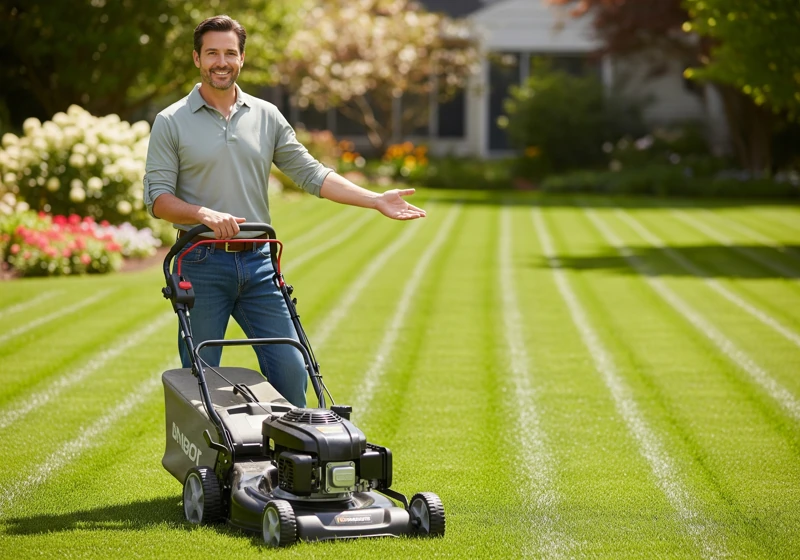
Forget the marketing brochures for a minute. After helping thousands of customers choose mowers, here’s what really determines whether you’ll be happy with your purchase or cursing it every Saturday morning. This ties directly into my complete homeowner’s guide to choosing the right mower, which walks through the decision-making process step by step.
Start with Your Grass, Not the Mower
This sounds backwards, but hear me out. If you’ve got thick, dense grass like zoysia or Bermuda, you need more power than someone with thin fescue. If your grass grows fast and thick, a smaller engine will bog down and leave you with an uneven cut.
I learned this lesson with my own lawn. Moved from a house with basic contractor-grade seed to my current place with established Kentucky bluegrass. The same mower that worked fine at the old house struggled with the thicker grass. Had to upgrade to more power, and suddenly mowing became easy again.
Terrain Trumps Everything Else
Flat yard? You can get away with almost any mower. Add some hills, and your options narrow quickly. Steep slopes require specific features like rear-wheel drive and good traction. I’ve seen people try to save money with front-wheel drive mowers on hills, and it never ends well.
Also consider obstacles. Lots of trees, flower beds, and tight spaces favor smaller, more maneuverable mowers. Wide-open spaces let you take advantage of larger cutting decks for efficiency.
Maintenance Tolerance Test
Be honest with yourself – are you someone who enjoys maintaining equipment, or do you want to just use it? Gas mowers need regular attention. Oil changes, air filter cleaning, spark plug replacement, fuel system maintenance – it adds up to several hours per year. Don’t let maintenance intimidate you, though – my comprehensive maintenance and troubleshooting guide breaks down every task with clear instructions and schedules.
Electric mowers need less frequent maintenance, but battery replacement every few years is a significant expense. Robotic mowers need the least hands-on maintenance but require more upfront setup and occasional troubleshooting.
Storage Reality Check
Measure your storage space before you buy. Some mowers have folding handles or vertical storage options that save significant space. Others are just big and heavy – great for performance, not so great if you’re trying to squeeze them into a packed garage.
Also, think about transportation. If you don’t have a truck, how will you get it to the dealer for service? Some mowers are light enough to lift into a car; others definitely aren’t.
Making the Call: Your Perfect Mower Match
After all this comparison, here’s how I actually help customers make their final decision. First, eliminate the obvious mismatches – don’t consider push mowers for large yards or professional-grade equipment for small properties.
Next, set a realistic budget that includes not just the purchase price, but ongoing costs. Gas mowers need fuel, oil, and maintenance. Electric mowers need battery replacements. Factor in 5-7 years of ownership costs, not just the sticker price.
Then get hands-on experience. Visit dealers and actually start the mowers you’re considering. Push them around, test the controls, see how they feel. A mower that looks great on paper might feel awkward when you’re actually using it.
Don’t ignore local dealer support either. The best mower in the world becomes a paperweight if you can’t get it serviced. Check who’s authorized to work on your preferred brands and read reviews of their service departments.
Finally, match features to your actual needs, not your wishlist. Variable speed control is awesome if you have varied terrain. Mulching capability matters if you never bag clippings. An electric start is wonderful if you hate pull cords. But don’t pay for features you’ll never use.
Bottom Line: There’s No Perfect Mower, But There’s a Perfect Mower for You
Look, after fifteen years of this, I can tell you there’s no single “best” mower that works for everyone. The best lawn mower comparison always comes down to your specific situation – your yard, your budget, your preferences, and your tolerance for maintenance.
I’ve had customers perfectly happy with $200 push mowers and others who needed $800 self-propelled models with all the bells and whistles. The key is being honest about what you actually need versus what sounds cool in the store.
Take your time with this decision. A good mower should last you 7-10 years minimum, so it’s worth getting right. Visit dealers, ask questions, and don’t be afraid to admit what you don’t know. Good dealers will help you find the right match, not just the most expensive option.
Your lawn is probably the biggest part of your property’s curb appeal. It deserves equipment that makes maintenance manageable, not miserable. With the information in this guide, you’re ready to make a choice that’ll have you looking forward to Saturday morning mowing instead of dreading it.
Now get out there and find your perfect mower. Your grass is waiting, and trust me, the right equipment makes all the difference between lawn care being a chore and actually being kind of enjoyable. Happy mowing!
It depends on your specific needs. Gas mowers excel for larger yards (over 0.75 acres), thick grass, and consistent power that doesn’t fade. They’re ready to work anytime without charging delays. Battery mowers are perfect for smaller to medium yards, offering whisper-quiet operation, instant starting, and zero emissions. However, battery replacement costs hit every 3-4 years ($150-200). For most suburban homeowners with regular maintenance schedules, quality battery mowers now match gas performance while being much more convenient.
Start with your yard size and terrain – these eliminate most unsuitable options immediately. Small flat yards (under 0.25 acres) work well with basic push mowers. Medium yards (0.25-0.75 acres) benefit from self-propelled models. Large properties need serious power and wider cutting decks. Consider your maintenance preferences too – gas mowers need regular upkeep but offer unlimited runtime, while electric models require less maintenance but need battery management. Match the mower’s capabilities to your actual needs, not wishlist features.
Honda leads in reliability and longevity – their mowers often run 15+ years with proper maintenance. Toro offers excellent innovation with features like Personal Pace self-propelled systems and strong customer support. Craftsman provides good value for budget-conscious buyers. For electric mowers, EGO and Greenworks deliver solid performance. The “best” brand depends on your priorities: Honda for long-term reliability, Toro for innovative features, or Craftsman for budget value.
For one acre, you’ll want a 22-inch cutting deck minimum, preferably self-propelled to reduce fatigue. Gas mowers typically work best for this size due to unlimited runtime. Consider models like the Honda HRX217 or Toro TimeMaster 30-inch for maximum efficiency. Zero-turn mowers become worth considering at this size if your budget allows. Avoid push mowers – you’ll spend too much time and energy. Self-propelled with variable speed control makes the job much more manageable.
Quality gas mowers like Honda typically last 10-15 years with proper maintenance, sometimes longer. Budget models usually need replacement after 5-7 years. Electric mowers generally last 7-10 years, though you’ll replace batteries 2-3 times during that period. The key factors are maintenance quality, usage frequency, and storage conditions. Regular oil changes, clean air filters, and proper winter storage dramatically extend the lifespan of gas mowers.
There’s no universal “best” type – it depends entirely on your situation. Self-propelled gas mowers work best for larger yards with hills or thick grass. Electric push mowers excel for small, flat properties with noise restrictions. Robotic mowers are perfect for busy homeowners wanting automated maintenance. The best mower matches your yard size, terrain, maintenance preferences, and budget. Start with these factors rather than focusing on specific features or technology.
