
The Importance of Cleaning Your Lawn Mower
Hey folks, Emma Andersen checking in from my cozy little workshop in the Pacific Northwest suburbs. At 41, with a solid ten years of getting my hands dirty fixing lawn mowers, I’ve pretty much seen it all from machines that purr like contented cats to ones that cough and wheeze like they’ve got a bad cold. Running my repair business, blogging about this stuff, and teaching community classes has taught me one undeniable truth about how to clean lawn mower equipment: if you want your mower to stick around and do its job without drama, you’ve gotta keep it clean. Seriously, it’s not just some nitpicky chore; it’s the key to avoiding breakdowns, saving cash, and keeping your yard looking like something out of a magazine. In this piece, I’ll break down why cleaning matters so much, the messes I’ve cleaned up (literally) when folks skip it, and some easy tips to make it part of your routine. I’ll even toss in a couple of shop stories because, let’s face it, nothing hits home like hearing about someone else’s “oops” moment. Trust me, by the end, you’ll be reaching for that scraper with a smile.
Table of Contents
▼- How to Clean Lawn Mower: The Complete Guide You’ve Been Looking For
- Why I Nag Everyone About Cleaning Their Mower
- The Real Messes I’ve Seen from Neglected Mowers
- How Cleaning Makes Your Mower a Long-Term Buddy
- Hands-On Tips: Cleaning Your Mower Without the Fuss
- Gear Up: What You’ll Grab from the Shed
- Step-by-Step for Gas Mowers: The Workhorses
- Battery Mowers: My Quiet Favorites
- Electric Corded: Simple and Straightforward
- Deep Seasonal Scrubs
- Advanced Gas Mower Cleaning: When You Need to Go Deeper
- Shop Tales That’ll Make You Chuckle (and Learn)
- Dodging Pitfalls: Emma’s Pet Peeves Exposed
- Tying It All Up: Clean Today for a Better Tomorrow
How to Clean Lawn Mower: The Complete Guide You’ve Been Looking For
Whether you’re wondering how to clean a lawn mower for the first time or you’re looking for better lawn mower cleaning tips, you’ve come to the right place. After fixing thousands of mowers, I’ve learned that most problems stem from one thing: folks don’t know the right way to clean their machines. From learning how to clean mower deck buildup to tackling trickier jobs like figuring out how to clean a lawn mower carburetor, I’ll walk you through everything step-by-step.
Why I Nag Everyone About Cleaning Their Mower
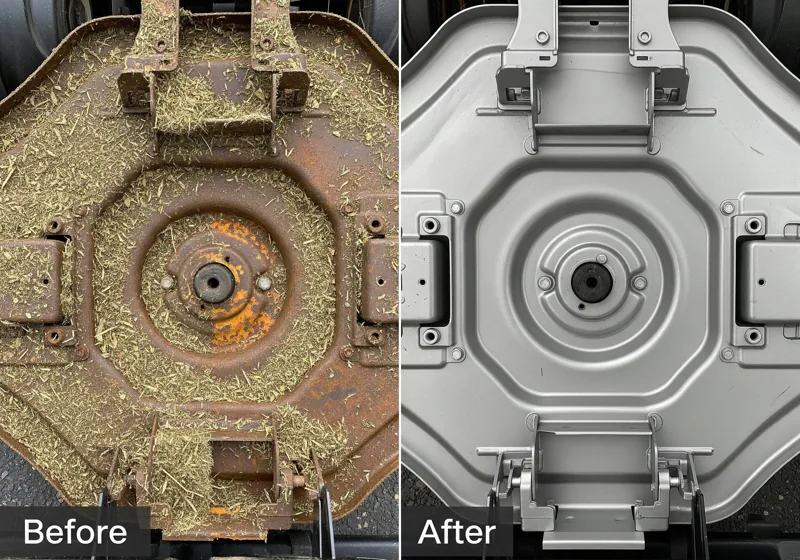
Let’s kick this off with the basics. After a mow, your mower’s deck, that flat underside where the blade spins, is coated in grass clippings, dirt, maybe some mud if it’s been rainy like it always is around here. If you let that sit, it hardens into this gunky mess that traps moisture and starts corroding everything. I’ve pulled apart mowers where the deck looked like Swiss cheese from rust, all because the owner thought, “Eh, it’ll be fine.” Spoiler: it wasn’t.
But it’s not just about rust. A clean mower cuts better, runs smoother, and lasts way longer. When buildup clogs things up, the blade has to work harder, tearing grass instead of slicing it neatly. Your lawn ends up looking ragged, with brown tips and uneven patches that invite weeds and bugs. And for the machine itself? It overheats more easily, uses more fuel or battery juice, and wears out parts faster. I prefer battery powered mowers myself; they’re quiet and easy on the ears while I tend my backyard herb garden, but even they suffer if you don’t wipe down the vents and contacts. Gas models? Forget it; debris in the air filter or fuel lines can turn a simple start into a wrestling match.
Here’s the deal: cleaning isn’t about being a neat freak. It’s practical. It saves you money on repairs. I’ve charged folks hundreds for fixes that could’ve been prevented with a 10-minute scrub. Plus, it’s better for the planet. Less strain means fewer emissions or wasted energy, which reduces your carbon footprint and aligns with my love for eco-friendly yard care., which aligns with my love for eco-friendly yard care. Or wasted energy, which aligns with my love for eco-friendly yard care. I mean, who wants to contribute to more pollution when you could just hose off some grass? Over my decade in this business, I’ve learned that a little upkeep now beats a big headache later. Don’t make my rookie mistakes. I once ignored a dirty mower in my yard, and it jammed mid-mow, leaving me cursing under my breath while Whiskers, my workshop cat, watched like I was entertainment.
The Real Messes I’ve Seen from Neglected Mowers
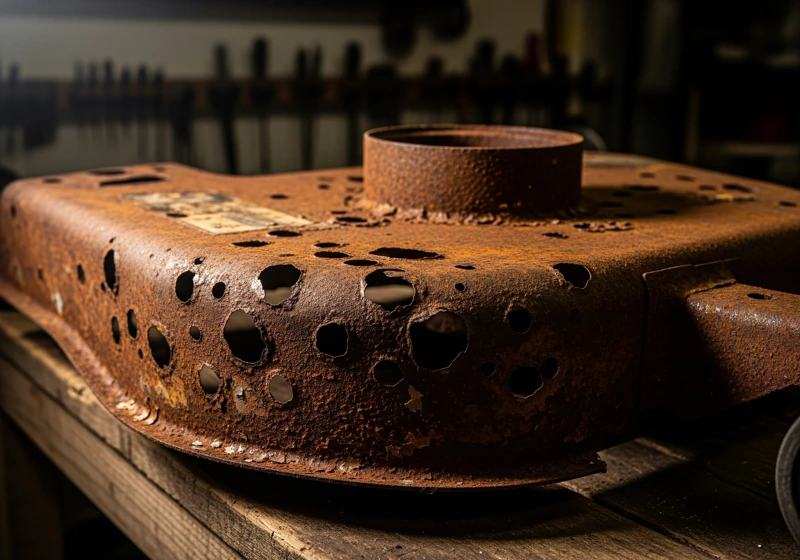
Oh man, if I had a nickel for every time a customer rolled in with a mower caked in crud, I’d retire early. My biggest pet peeve? Grass buildup on the deck is harder to scrape than old paint off a barn door. It’s not just gross; it’s destructive. Let me paint you a picture of what happens when you let the dirt win.
First, corrosion sets in like nobody’s business. That mix of wet clippings and soil holds onto water, and before you know it, metal parts are pitting and rusting. Rust is the kryptonite of your mower’s lifespan. I’ve replaced decks on solid brands like Toro and Honda that should’ve lasted another five years that should’ve lasted another five years, but no, the owner stored it dirty over winter, and poof, holes everywhere. Costs a bundle, too, often $150 to $400 depending on the model.
Then there’s the performance killer: clogged blades and vents. The blade gets dull from all that caked-on junk, ripping grass blades instead of cutting clean. Your lawn looks like it got a buzz cut from a drunk barb,e er uneven, stressed, and prone to diseases. For battery mowers (my go-to for small yards), dirt on the battery contacts messes with charging, shortening runtime. I had one Ryobi come in where the owner swore the battery was faulty, but nope, just a layer of grime. Cleaned it up, and it was back to full power.
Engine issues are another nightmare, especially with gas mowers. Debris sneaks into the air filter, choking off airflow and making the engine run hot or stall out. And making the engine run hot or stall out. Fuel systems gum up, too, leading to hard starts or no starts at all. One winter, a guy brought in his mower that smelled like a compost pile gone wrong; the clippings had molded inside, clogging everything. We spent hours flushing it out, and he learned the hard way why I preach cleaning after wet mows.
Pests love dirty mowers, too. Mice, ants, even spiders see those clippings as prime real estate. I’ve opened up stored mowers in spring to find nests chewing through wires or belts. Whiskers once pounced on a mouse that darted out during a cleaning, hilarious for her, pricey for the owner who needed new wiring.
And safety? Don’t get me started. Built-up gunk can cause overheating, vibrations, or even flying debris. Following proper equipment safety protocols is crucial when working with power tools. I singed my glove once on a hot engine from a poor airflow, lesson learned. Health-wise, all that dust and mold kicks up allergens, which is rough if you’re like me and sneeze at everything green. The smell alone is enough to turn your stomach; I’ve seen mowers treated worse than week-old leftovers in the fridge, and it always ends in regret.
Let’s be real, though, in our rainy corner of the world, skipping cleans means double trouble with all the moisture. But even in drier spots, dirt builds up fast. I’ve taught this in my workshops: show folks a before-and-after of a cleaned mower, and their eyes widen. It’s eye-opening how something so simple prevents so much grief.
How Cleaning Makes Your Mower a Long-Term Buddy
Flipping the script, let’s talk wins. When you keep your mower clean, it’s like giving it a spa day. It comes out refreshed and ready to roll. Longevity jumps; I’ve got customers with 10-year-old models still humming because they scrape and rinse regularly. Brands like Honda build ’em tough, but even they need that TLC to hit their potential.
Efficiency skyrockets, too. Less drag on the blade means less energy used;e, gas mowers sip instead of gulping, battery ones stretch their charge. I experimented once in the shop: timed a dirty vs. clean mower on the same patch. The clean one finished quicker with fuel to spare. Proves my point every time.
Safety improvement with no loose bits flying, better cooling, and steadier operation. Environmentally, it’s a no-brainer: fewer repairs mean less waste, and efficient running cuts emissions. Fits my vibe, I compost clippings and grow herbs without chemicals, so why not extend that to tools?
In my classes, I stress this: cleaning builds confidence. New homeowners start nervously, but after learning the ropes, they beam like pros. It’s empowering, knowing you’re in control.
Hands-On Tips: Cleaning Your Mower Without the Fuss
Alright, enough preaching, let’s get to the how-to. I promise, it’s not rocket science. With the right approach, it’s quick and painless. I do a light clean after every mow, deeper ones monthly or seasonally. Safety note: always unplug, remove the battery, or disconnect the spark plug first. Work outside or on a tarp to catch the mess.
Gear Up: What You’ll Grab from the Shed

Keep it basic, I hate overcomplicating:
- Putty knife or plastic scraper for tough gunk.
- Garden hose with a spray nozzle.
- Soft brush, maybe an old toothbrush for tight spots.
- Mild soap, like dish detergent; nothing harsh that strips paint.
- Gloves (grass stains are stubborn), and rags for drying.
- Compressed air for gas filters, or a leaf blower, to speed drying.
For battery mowers, use a dry cloth for contacts. That’s it, no fancy gadgets needed.
Step-by-Step for Gas Mowers: The Workhorses
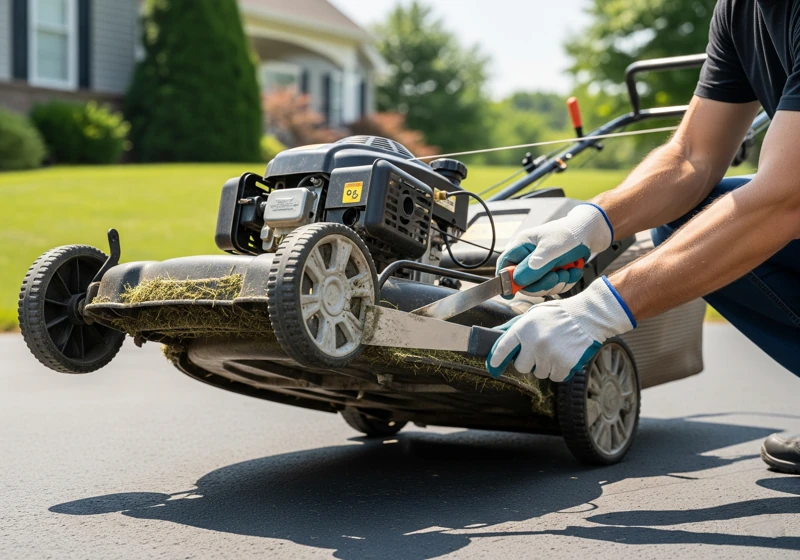
These need extra love but reward you with power.
- Tilt safely (muffler up to avoid oil drip) and scrape the deck thoroughly. Get edges I’ve missed ’em before and regretted the rust spots.
- Hose off with low pressure, soapy if needed, rinse well. Avoid blasting seals.
- Pull the blade (wrench time), wipe clean, and sharpen with a file if dull. Balance it to cut vibrations.
- Brush engine fins, blow out the air filter. Wipe fuel cap, check for leaks.
- Clean wheels, lube axles lightly.
- Air dry completely. Patience here prevents issues.
- Refuel with fresh gas, add stabilizer for storage.
Tip: If it’s sat awhile, drain old fuel to avoid gumming.
Battery Mowers: My Quiet Favorites
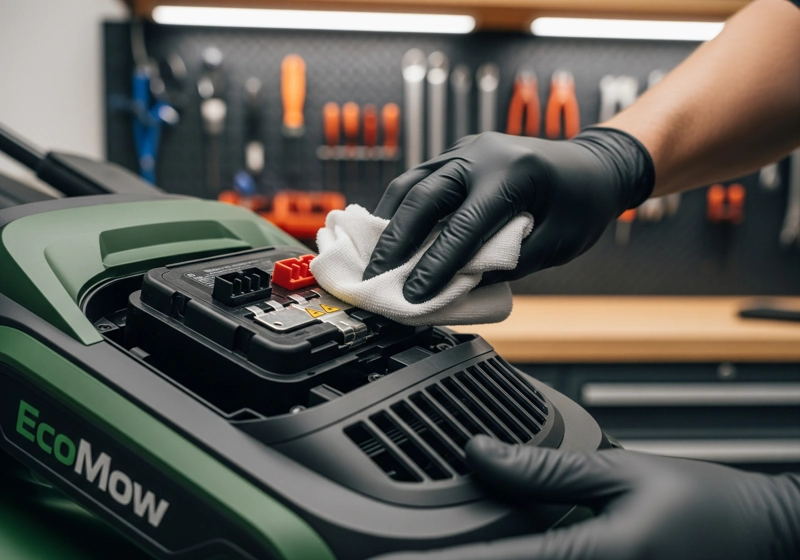
Easier, but still deserves care.
- Pop out the battery, store it cool and dry place.
- Scrape deck, rinse gently, keep water from electronics.
- Dry-wipe contacts and vents; dirt kills efficiency.
- Blade same as gas: clean, sharpen.
- Brush exterior, light rinse.
- Dry well, no moisture near batteries.
One customer doubled his runtime just by venting cleans. Magic? Nah, just maintenance.
Electric Corded: Simple and Straightforward
Lightweight champs.
- Unplu,g I’ve seen sparks from forgetful folks.
- Scrape and rinse the deck, avoiding the motor.
- Inspect the cord for damage, and clean the plugs.
- Brush off the grass from the body.
- Dry thoroughly to prevent shorts.
Deep Seasonal Scrubs
- Spring: Full clean post-winter, check everything.
- Summer: Weekly wipes during peak use.
- Fall: Deep before storage, remove all clippings. For complete winter prep, follow my winterization guide.
- Winter: Cover in a dry spot; indoors if possible.
Mistake to avoid: High-pressure washers on delicate parts, which force water where it shouldn’t go. A garden hose is your friend.
Advanced Gas Mower Cleaning: When You Need to Go Deeper
Sometimes, basic cleaning isn’t enough. If your mower’s been acting up – hard starts, rough idling, or poor performance – you might need to learn how to clean the carburetor for lawn mower issues. A dirty carburetor is often the culprit behind starting problems. While I always recommend having a pro handle carburetor work if you’re not comfortable, check out my complete maintenance guide for more detailed troubleshooting steps. If you’re not comfortable, a simple external cleaning of the air filter and fuel connections can work wonders. Remember, most carburetor problems start with dirty air filters, so that’s your first stop before diving deeper.
Shop Tales That’ll Make You Chuckle (and Learn)
Can’t skip stories, they’re the best teachers. Back when I started, a newbie homeowner brought in a corded mower wrapped in electrical tape after a “DIY fix.” Plugged it in, and it sparked like the Fourth of July! Turned out, uncleaned moisture shorted it. We fixed it, but he learned: clean first, tape never.
Another gem: Helped a lady with a small yard pick a battery mower. She baked me brownies as thanks, but only after I showed her deck-cleaning tricks. Contrast that with a guy who ignored advice, stored dirty, and had ants partying in his engine. Cost him big, but now he’s a convert.
These keep me going, turning mishaps into wisdom.
Dodging Pitfalls: Emma’s Pet Peeves Exposed
- Ignoring the deck: Scrape every time, or suffer.
- Harsh cleaners: They eat paint; stick to mild.
- Wet storage: Dry first, always.
- Dull blades: Sharpen twice yearly.
- Filter neglect: Monthly checks save engines. Speaking of regular maintenance, don’t forget about oil changes – another crucial step most folks skip.
Cheap plastic decks? They crack easily, clean, and gently.
Tying It All Up: Clean Today for a Better Tomorrow
Phew, we’ve covered ground from why cleaning’s essential to hands-on how-tos and those shop yarns that stick with you. As someone who’s spent a decade elbow-deep in mowers, I can say: make it a habit, and your machine becomes a reliable partner, not a pain. Whether it’s my beloved battery models or sturdy gas ones, a clean mower means happier mowing, healthier lawns, and fewer trips to shops like mine.
So there you have it – everything you need to know about how to clean lawn mower equipment the right way. From basic lawn mower cleaning tips to understanding when you need to clean mower deck buildup, you’re now armed with a decade’s worth of repair experience. And remember, whether it’s learning how to clean a lawn mower carburetor or just keeping up with weekly maintenance, consistency beats perfection every time.
Grab that hose and get to it. Your yard and wallet will thank you. If you’re stuck, hit up my blog or a workshop. Now, off to tend my herbs while Whiskers “helps.” Happy cleaning!
The best way is my three-step approach: safety first (disconnect power), scrape the deck with a putty knife, then rinse with low-pressure water. I always tell folks in my workshops – never skip the scraping step! That caked-on grass is like cement once it dries. For battery mowers, keep water away from electrical parts, and for gas models, avoid blasting the air filter. Finish with a complete dry before storage.
Tilt your mower safely (gas mowers: spark plug side down, muffler up to prevent oil leaks), then scrape thoroughly with a putty knife or plastic scraper. Get every edge – I’ve seen too many rust spots from missed corners. Follow up with a gentle hose rinse, using soapy water for stubborn buildup. Never use high pressure; it forces water into seals where it doesn’t belong.
Absolutely, but with common sense! Low-pressure garden hose spray is fine – I do it after every job. Just avoid blasting electrical connections, air filters, or engine intakes. For battery mowers, keep water away from the contacts and charging ports. High-pressure washers? Skip ’em. They force water into places that’ll cause you headaches later, trust me on this one.
Light cleaning after every single use – takes 5 minutes and saves hundreds in repairs. I tell my customers: scrape the deck each time, deeper monthly cleans during mowing season. In our rainy Pacific Northwest, I clean after every wet mow because moisture plus clippings equals rust city. At minimum, deep clean twice yearly – spring startup and fall storage.
You bet! Washing isn’t optional if you want your mower to last. I’ve replaced $300 decks that would still be solid if the owner had just hosed them off regularly. It’s not about being fussy – it’s about preventing rust, maintaining airflow, and avoiding pest infestations. Think of it as a 10-minute investment that saves you from calling repair folks like me!
For gas mowers: always tip with the spark plug side DOWN and muffler side UP. This prevents oil from leaking into the air filter or cylinder – learned that the hard way early in my career! For battery and electric mowers, remove the power source first, then any direction is usually fine. When in doubt, check your manual, but the spark plug rule has saved me countless cleanups.
