
Honda vs Toro Lawn Mower: Complete Brand Comparison
So you’re standing in the mower aisle trying to decide between Honda vs Toro lawn mower options, and your brain is melting from all the marketing claims. I get it. I’ve been there myself, and I’ve helped probably a thousand customers work through this exact decision over the past fifteen years.
Table of Contents
▼- Brand History: What Drives Honda vs Toro Design
- Push Mower Face-Off: Honda vs Toro Performance
- Build Quality and Deck Construction
- Cutting Systems: Twin-Blade vs Recycler
- Self-Propulsion Systems Compared
- Price Comparison Breakdown
- Premium Model Showdown: HRX217 vs Super Recycler
- Engine Performance and Reliability
- Cutting Technology Differences
- Convenience Features Battle
- The Versamow Advantage
- Real-World Durability Data
- Engine Reliability: The Long-Term Truth
- Honda Engine Superiority
- Toro Engine Performance
- Maintenance Tolerance Differences
- Real Failure Rate Data
- Starting Reliability Analysis
- Build Quality: What Lasts Longer?
- Deck Construction Analysis
- Component Durability Comparison
- Handle and Control Systems
- 5-10 Year Wear Patterns
- Price and Value: The Real Cost Analysis
- Initial Purchase Price Breakdown
- Total Cost of Ownership
- Resale Value Comparison
- Value by Buyer Profile
- The Final Verdict: Which Should You Choose?
- Choose Honda If You Want:
- Choose Toro If You Want:
- Situation-Specific Recommendations
- My Personal Choice
Here’s what nobody tells you upfront – both brands make genuinely excellent mowers, but they’re excellent in different ways that matter a lot depending on what you actually need. When comparing Honda vs Toro lawn mower models, you’re really choosing between two different philosophies: engine-first engineering versus user experience-first design.
I remember this customer last spring who spent forty-five minutes telling me why he needed “the absolute best mower money could buy.” Kept insisting on Honda because he’d heard they were bulletproof. The thing is, his yard had tons of landscaping, needed constant bag emptying, and he valued convenience features. Talked him into a Toro Super Recycler instead, and he literally thanked me three weeks later because the Quick Stow handle and easy-empty bag were saving him twenty minutes every mowing session.
This comparison breaks down everything that actually matters when you’re choosing between these two premium brands. We’re talking real performance differences, not marketing department nonsense. For a broader understanding of all available options, check out my comprehensive guide to types of lawn mowers.
Brand History: What Drives Honda vs Toro Design
Understanding where these brands come from explains a lot about how their mowers perform. The Honda vs Toro lawn mower comparison starts with fundamentally different company philosophies.
Honda entered the U.S. lawn mower market in 1978, and they approached it the same way they built their car and motorcycle reputation – obsessive focus on engine engineering and long-term reliability. Their philosophy is simple: build an engine so reliable that people stop worrying about whether it’ll start. I’ve diagnosed thousands of small engines, and Honda GCV engines consistently outlast everything else.
Toro’s been making lawn equipment since 1914, starting with tractor gang mowers for golf courses. They built their reputation on understanding grass cutting specifically – not engines or transmissions, but the actual science of how blades interact with grass. When you compare Honda and Toro lawn mowers, you’re really comparing engine-first engineering versus cutting-system-first engineering.
Toro pioneered the Recycler cutting system back in the 1990s, which mulches grass way better than traditional single-blade setups. They focus on user convenience features – quick-folding handles, easy bag removal, and Personal Pace self-propulsion that matches your walking speed. Where Honda obsesses over engine durability, Toro obsesses over the entire user experience.
I run both brands in my business. My Honda HRX217 gets used for properties where I need absolute reliability and don’t want to think about maintenance. My Toro Super Recycler gets used where convenience features matter – properties with lots of bagging, tight storage situations, or where the cutting quality really shows.
Push Mower Face-Off: Honda vs Toro Performance
Build Quality and Deck Construction
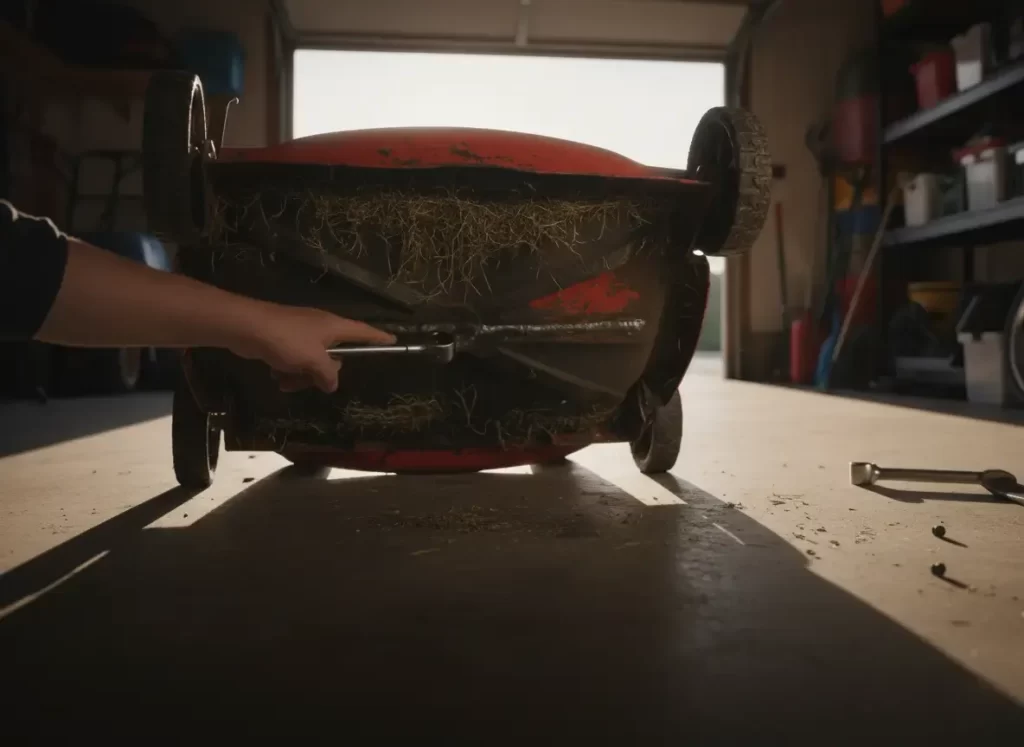
Honda vs Toro push mower options show clear differences in construction approach. Honda mowers feel substantial when you push them. Heavier components, thicker steel deck, and that unmistakable Honda engine feel. My HRX217 weighs about 89 pounds fully assembled, which sounds heavy but actually helps with traction and stability.
Toro mowers come in lighter, typically 10-15 pounds less than comparable Honda models. Makes them easier to maneuver around landscaping, but occasionally they feel less planted on slopes. Honda uses steel decks on all their models – even their entry-level HRN216 has a 21-inch steel deck that’ll outlast plastic alternatives by years. Toro uses steel on their Super Recycler models but occasionally uses high-impact plastic on lower-tier Recyclers.
Cutting Systems: Twin-Blade vs Recycler
Here’s where Toro vs Honda push mower comparison gets interesting – the actual cutting experience matters more than most people realize.
Honda’s HRX models use their MicroCut twin-blade system with four cutting surfaces instead of two. Creates finer mulch, better bagging, and a more manicured appearance. But it also means more blade maintenance and slightly more effort required to push through thick spring grass.
Toro’s Recycler system uses a single blade with a specially designed deck that creates multiple cutting passes. The grass gets cut, lifted, recut, and either mulched back down or directed into the bag. In my testing, Toro’s system actually mulches better than Honda’s in normal conditions – the clippings are finer and disappear into the lawn faster. Honda edges ahead when you’re bagging because that twin-blade system really chops things up.
Self-Propulsion Systems Compared
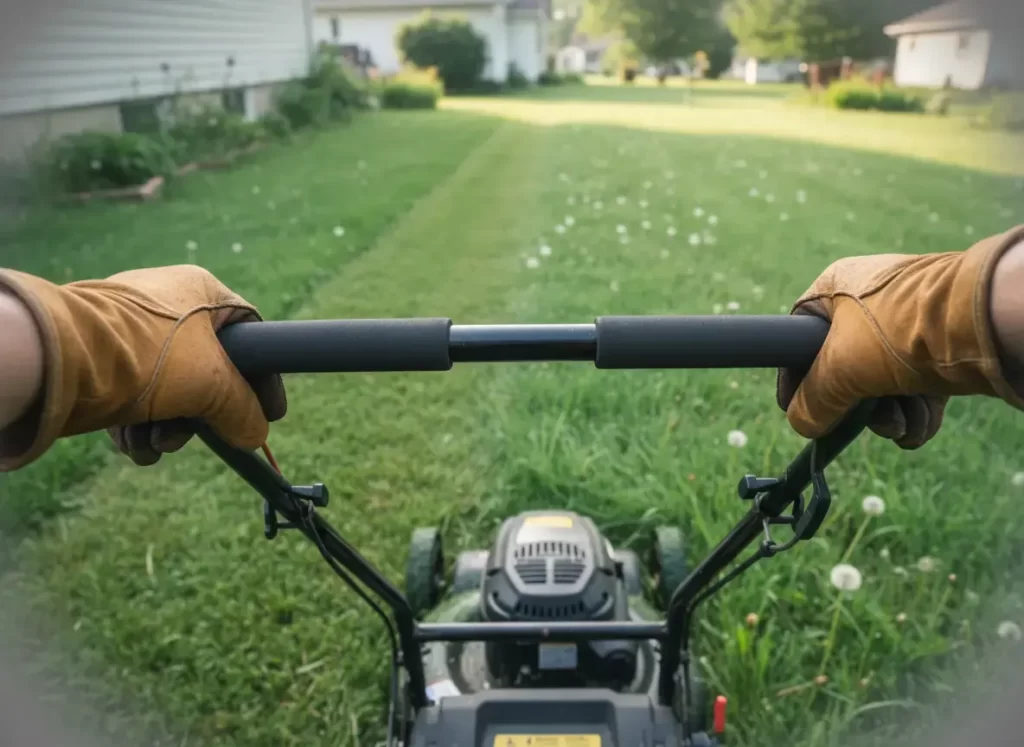
Self-propulsion systems separate these brands significantly. Honda uses either front-wheel drive on entry models or their Smart Drive system on HRX models. Smart Drive adjusts speed based on how hard you grip the handlebar – squeeze tighter to go faster, relax your grip to slow down. Takes maybe ten minutes to get used to, but then it feels natural.
Toro’s Personal Pace self-propulsion is brilliant and probably my favorite feature on any walk-behind mower. It senses your walking speed and automatically matches it. You’re not adjusting anything – just walk at whatever pace feels comfortable, and the mower keeps up. Works incredibly well in practice, especially on properties with lots of stop-and-go mowing around landscaping. For comprehensive comparisons of self-propelled lawn mower options across all major brands, I’ve tested and ranked the top models.
Price Comparison Breakdown
Price comparison in the push mower category:
- Honda HRN216 (entry self-propelled): $480-550
- Toro Recycler 22 (comparable entry model): $420-480
- Honda HRX217 (premium flagship): $700-900
- Toro Super Recycler (premium flagship): $650-800
You’re typically paying $50-100 more for a Honda at every price point. That premium buys you Honda’s engine reputation and slightly better build quality. For detailed testing results and rankings across all brands, see my best push mower 2025 guide.
Premium Model Showdown: HRX217 vs Super Recycler
Time to get into the nitty-gritty of the Honda HRX217 vs Toro Super Recycler comparison, because this is the flagship matchup everyone wants to know about.
Engine Performance and Reliability
Honda vs Toro mower engine comparison shows clear differences. Honda HRX217 uses its 190cc GCV190 engine with an overhead valve design. This thing is a workhorse. Starts easily (especially the HZA model with Auto Choke), runs smoothly, and delivers consistent power through thick grass. Fuel efficiency is excellent – I get about 90 minutes of runtime per tank.
Toro Super Recycler uses a Toro OHV engine, also around 190cc. It’s a solid engine – reliable, good power delivery, starts consistently. But having worked on both extensively, Honda’s engine just feels more refined. Tighter tolerances, smoother operation, and, based on my service records, longer lifespan before needing major service.
Cutting Technology Differences
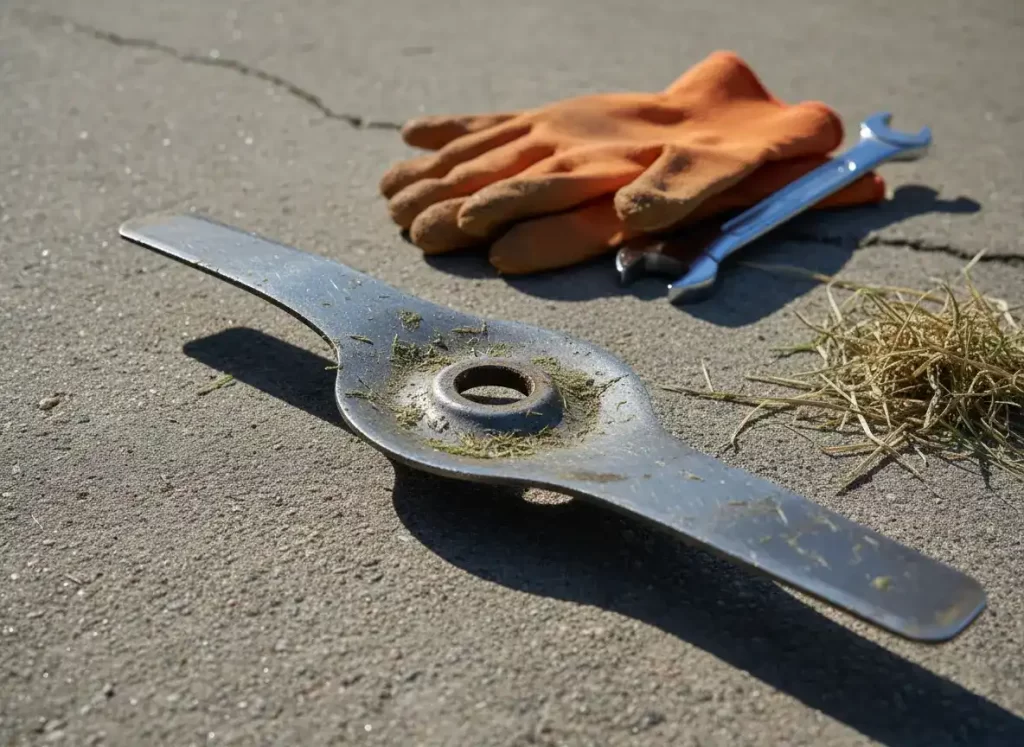
The Toro Super Recycler vs Honda HRX217 cutting comparison reveals different strengths. Honda’s MicroCut twin-blade system uses two blades stacked on top of each other, creating four cutting surfaces. Grass gets cut multiple times before either getting discharged, bagged, or mulched. The result is incredibly fine clippings and a very clean cut.
The downside of Toro Super Recycler vs Honda in the cutting system category is maintenance. Two blades mean twice the sharpening, twice the potential for imbalance, and if you hit a rock or root, potentially twice the damage. I sharpen my Honda’s blades every 8-10 hours of use. If you need help with this, my step-by-step blade sharpening guide walks you through the proper technique.
Toro’s Recycler cutting system uses a single high-lift blade in its specially designed deck. The deck shape and blade design create a vortex that lifts grass, cuts it, then recuts the clippings multiple times before discharge. It’s simpler mechanically, easier to maintain, and honestly mulches better than Honda in typical conditions.
Convenience Features Battle
Here’s where Toro absolutely crushes Honda. The Super Recycler’s Quick Stow handle folds down in literally two seconds with no tools. You flip two levers, fold the handle, done. My Honda requires loosening four knobs, carefully positioning the handle, and it takes probably 45 seconds.
Toro’s bag system also wins convincingly. The bag attaches and detaches easily, has a large opening for emptying, and holds a good amount. Honda’s bag attachment is secure but takes more effort to get on and off, and the bag opening is slightly smaller, making emptying more awkward. If you’re considering Honda’s entry-level lineup, I’ve written a detailed Honda HRN lawn mower review covering their budget-friendly models.
The Versamow Advantage
The Versamow system on Honda HRX217 models is genuinely useful. There’s a lever (called Clip Director) that lets you adjust how much grass gets mulched versus bagged while you’re mowing. Slide it one way for full mulching, the other way for full bagging, or anywhere in between. I use this feature constantly – probably adjust it five times per mowing session.
Toro doesn’t have a comparable system. You’re either mulching, bagging, or side-discharging – no in-between adjustments.
Real-World Durability Data
Honda HRX217 mowers regularly hit 10-15 years of reliable service with proper maintenance. I’ve seen several exceed 1,000 hours with only routine maintenance – oil changes, air filters, spark plugs, and blade sharpening. The transmission stays smooth, the engine maintains power, and the deck holds up well.
Toro Super Recyclers also last 10+ years, but I see more transmission adjustments needed around the 500-hour mark and occasional deck rust issues if not properly maintained.
Toro Super Recycler vs Honda comes down to priorities:
Choose Honda HRX217 if:
- You want absolute maximum engine reliability and longevity
- Bagging quality matters (finer clippings mean more fits in the bag)
- You prefer precise self-propulsion control
- The Versamow system’s flexibility appeals to you
- You’re okay with more complex blade maintenance
Choose Toro Super Recycler if:
- Convenience features matter (quick-fold handle, easy bag removal)
- Personal Pace self-propulsion sounds appealing
- You prefer simpler single-blade maintenance
- Mulching performance is your priority
- You want to save $50-150 versus a comparable Honda model
Engine Reliability: The Long-Term Truth
Let’s get technical with the engine and reliability comparison, because this is where Honda vs Toro lawn mower differences become most significant over time. For a comprehensive deep-dive into all lawn mower engines and their maintenance requirements, check out my complete technical guide.
Honda Engine Superiority
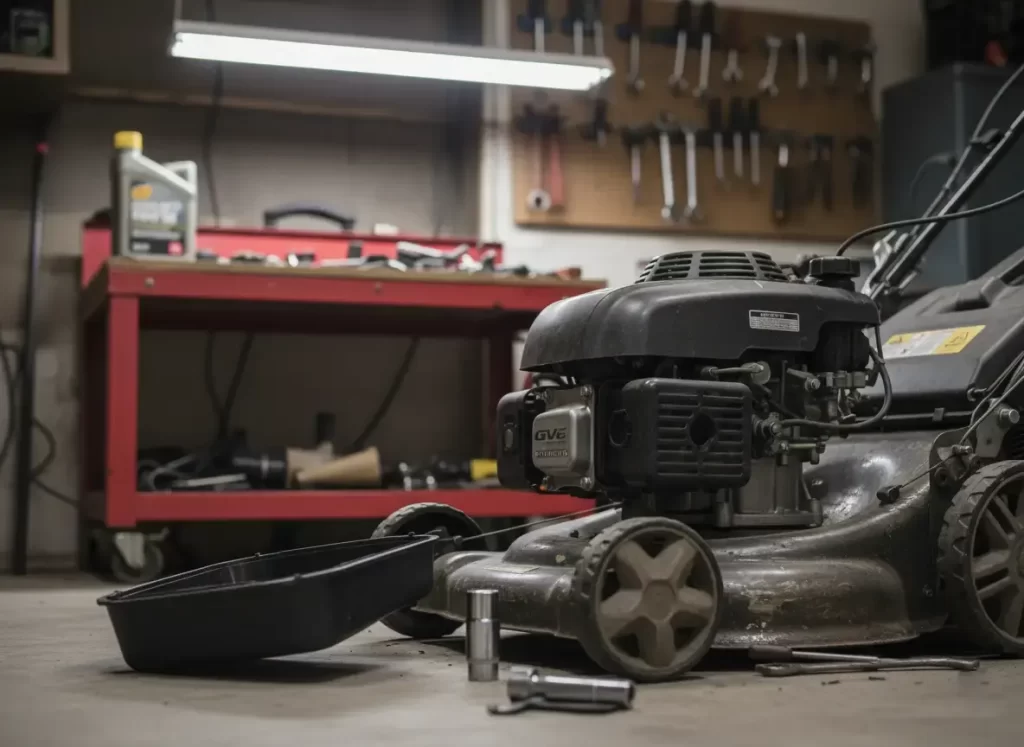
Honda engines dominate in terms of pure longevity and reliability. Their GCV series engines (GCV160 and GCV190) use overhead cam design with precision engineering that you just don’t see in most small engines. I’ve personally worked on GCV190 engines with 1,000+ hours that still run like new – good compression, smooth operation, easy starting.
The typical lifespan for a well-maintained Honda engine in residential use is 10-15 years or 800-1,200 hours. Honda’s engineering focuses on tight tolerances, quality materials, and long-term durability over initial cost savings.
Toro Engine Performance
Toro uses their own branded OHV (overhead valve) engines on most models, typically manufactured to their specifications by other engine makers. These are solid, reliable engines that deliver good performance. In typical residential use, expect 6-10 years or 500-800 hours of reliable service with proper maintenance.
Where Honda focuses on maximum longevity, Toro focuses on balancing performance, cost, and reasonable durability.
Maintenance Tolerance Differences
The difference shows up in how well these engines tolerate neglect. Honda engines handle poor maintenance way better than Toro engines. I’ve seen Honda engines run for years with old oil and dirty air filters, still starting and operating adequately (not recommending this, just observing reality). Toro engines show problems faster when neglected – harder starting, power loss, and increased fuel consumption.
Real Failure Rate Data
Real failure rate data from my service records over the past five years:
Honda engine failures requiring major service:
- Carburetor issues: ~8% of units after 500+ hours
- Compression loss requiring rings/valves: ~3% after 800+ hours
- Crankshaft/bearing issues: <1%
- Starting system problems: ~5%
Toro engine failures requiring major service:
- Carburetor issues: ~15% of units after 400+ hours
- Compression loss requiring rings/valves: ~8% after 600+ hours
- Crankshaft/bearing issues: ~2%
- Starting system problems: ~8%
These aren’t manufacturers’ numbers – this is real data from actual repairs. Honda engines simply last longer and require fewer repairs. If you’re dealing with carburetor issues on any brand, my guide to small engine carburetor cleaning and repair walks you through the complete fix process.
Starting Reliability Analysis
Honda engines with the Auto Choke system (on HZA models) start basically 100% of the time with single-pull starting. Even manual choke Honda models rarely take more than 2-3 pulls when properly maintained. Toro engines start reliably when new, but I see more starting issues develop as they age, typically carburetor-related. For comprehensive troubleshooting help, see my complete lawn mower won’t start guide.
Cold weather performance – Honda engines handle cold weather starting better. Their design tolerates temperature swings well, and they’re less prone to cold-start flooding.
Build Quality: What Lasts Longer?
Beyond engines, overall build quality and durability significantly impact long-term satisfaction with any lawn mower.
Deck Construction Analysis
Honda versus Toro lawn mower comparison in terms of construction reveals interesting differences. Honda uses steel decks across their entire lineup – even their entry-level HRN216 features a 21-inch steel deck with decent gauge thickness. The HRX models use thicker steel with reinforced construction at stress points.
Honda’s deck underside design includes NeXite coating (on premium models), which is basically a super-slick surface treatment that prevents grass from sticking. After a season of use, my HRX217’s deck underside stays cleaner than any other mower I’ve used.
Toro uses steel decks on their Super Recycler and upper-tier Recycler models. Their entry-level Recyclers sometimes feature high-impact poly (plastic) decks, which resist rust but don’t have the same long-term structural durability as steel.
Component Durability Comparison
Wheel quality and bearing systems matter more than people realize. Honda uses ball bearings in their wheel assemblies with sealed designs that keep debris out. The wheels on my HRX217 still spin freely after three years of regular use with no maintenance required.
Toro uses similar bearing systems on premium models, but sometimes uses bushing-style wheel mounts on entry-level Recyclers. Bushings work adequately but don’t last as long and can develop play or binding over time. When replacement parts are needed, knowing where to source quality lawn mower parts – OEM vs aftermarket can save you significant money.
Handle and Control Systems
The handle construction and adjustment mechanisms differ significantly. Honda handles use knob-based adjustments that require loosening 4-6 knobs to fold the handle down for storage. It’s secure and solid, but time-consuming.
Toro’s Quick Stow handle system is brilliant from a convenience standpoint – two quick-release levers let you fold the handle in seconds. But this convenience comes with a tradeoff – the lever mechanisms can develop play after a few years of use.
5-10 Year Wear Patterns
Overall wear patterns after 5-10 years of residential use:
Honda typical condition:
- The engine is still running strong with good compression
- Deck showing some rust, but structurally sound
- All controls and adjustments are still functioning smoothly
- Wheels and bearings are in good shape
- May need a new drive belt, cables adjusted
Toro typical condition:
- Engine running adequately, possibly needs carburetor service
- Deck showing moderate rust, particularly on the underside
- The handle quick-release may have some play
- Wheel bearings possibly needing attention
- May need transmission adjustment, new drive belt, and cables adjusted
The Toro vs Honda lawnmower durability comparison clearly favors Honda for long-term ownership. Honda mowers consistently last 10-15 years with proper maintenance, while Toro mowers typically last 8-12 years before major service or replacement becomes necessary.
Price and Value: The Real Cost Analysis
Let’s talk money and value proposition, because the Honda vs Toro lawn mower price comparison significantly influences most purchase decisions.
Initial Purchase Price Breakdown
Entry-level self-propelled walk-behind pricing:
- Honda HRN216: $480-550
- Toro Recycler 22: $420-480
At the entry level, Toro offers better initial value. You’re spending $50-70 less while getting Personal Pace self-propulsion, which is superior to Honda’s basic front-wheel drive on the HRN216.
Premium models with electric start:
- Honda HRX217HZA: $850-900
- Toro Super Recycler with Electric Start: $750-850
Total Cost of Ownership
But the initial purchase price only tells part of the value story. Let’s break down the total cost of ownership over 10 years:

Honda HRX217 10-year costs:
- Initial purchase: $750
- Annual maintenance (oil, filters, plugs, blade sharpening): $60/year × 10 = $600
- One drive belt replacement: $45
- One set of spark plugs beyond annual maintenance: $8
- Blade replacement (if needed): $35
- Total 10-year cost: $1,438
- Estimated resale value after 10 years: $250-300
Toro Super Recycler 10-year costs:
- Initial purchase: $700
- Annual maintenance (oil, filters, plugs, blade sharpening): $55/year × 10 = $550
- One drive belt replacement: $40
- Transmission adjustment: $75
- Blade replacement (if needed): $30
- Total 10-year cost: $1,395
- Estimated resale value after 10 years: $150-200
The total ownership cost over 10 years is remarkably similar, within $50 of each other. However, Honda’s higher resale value means your actual net cost is lower.
Resale Value Comparison
Resale value comparison is significant for Honda vs Toro mower buyers who might sell eventually:
- 3-year-old Honda HRX in good condition: 70-75% of original value
- 3-year-old Toro Super Recycler in good condition: 55-65% of original value
- 5-year-old Honda HRX in good condition: 60-65% of original value
- 5-year-old Toro Super Recycler in good condition: 45-55% of original value
Honda mowers hold value significantly better. If you upgrade or move, Honda’s stronger resale value offsets much of the initial price premium.
Value by Buyer Profile
Budget-conscious first-time buyers: Toro Recycler 22 offers better value. Lower initial cost, excellent Personal Pace system, adequate reliability for 6-8 years of residential use. For help matching brands to your specific situation, see my guide on choosing lawn mower brands by yard size and budget.
Long-term homeowners planning 10+ years of ownership: Honda HRX delivers better value through superior longevity, lower repair frequency, and better resale value. The initial premium pays off over time.
Convenience-focused buyers: Toro Super Recycler provides better value through the Quick Stow handle, easier bag system, and Personal Pace. Time saved and reduced hassle justify any small cost difference.
Reliability-focused buyers: Honda HRX offers better value through superior engine reliability, longer lifespan, and lower downtime risk. Peace of mind has value.
The Final Verdict: Which Should You Choose?
After this exhaustive Honda vs Toro lawn mower comparison, let’s get to clear recommendations based on specific situations and priorities.
Choose Honda If You Want:
Comparison Produts



Maximum Long-Term Reliability You’re planning long-term ownership (8+ years) and want maximum reliability. Honda’s superior engine longevity and build quality justify the premium for long-haul owners. My HRX217 is three years old with zero issues, and I expect another 8-10 years of trouble-free operation.
Superior Engine Quality. Engine reliability is your top priority. If the thought of dealing with carburetor problems, starting issues, or unexpected breakdowns stresses you out, Honda’s legendary engine quality provides peace of mind. Their GCV engines consistently outlast competitors by years.
Better Resale Value Resale value matters to you. If you might sell or upgrade eventually, Honda’s strong value retention offsets much of the initial cost premium. Five-year-old Honda mowers sell for 60-70% of the original price versus 45-55% for comparable Toro models.
Premium Bagging Performance Bagging quality is important. Honda’s twin-blade MicroCut system produces finer clippings that pack better into bags. You’ll empty the bag less frequently compared to single-blade systems.
Choose Toro If You Want:
Maximum Convenience Convenience and ease-of-use are top priorities. Toro’s Quick Stow handle, easy bag attachment, and overall ergonomics make the daily mowing experience less tedious. These “little” conveniences add up significantly over a season.
Intuitive Self-Propulsion: Your yard has lots of landscaping requiring constant speed changes. Personal Pace self-propulsion genuinely makes mowing around obstacles less mentally fatiguing. You’re not constantly adjusting speed – just walk naturally and the mower follows.
Premium Features, Lower Price. You want premium features at a lower price point. Even Toro’s entry-level models include Personal Pace, giving you flagship technology without flagship pricing. That’s legitimate value.
Superior Mulching Mulching performance matters most. Toro’s Recycler cutting system produces better mulching results in typical conditions compared to Honda’s entry models and comparable results to Honda’s premium twin-blade system.
Situation-Specific Recommendations
First-time homeowners with limited budgets: Toro Recycler 22 ($420-480) delivers better value than Honda HRN216 through a lower price and superior Personal Pace self-propulsion.
Serious homeowners planning decades of ownership: Honda HRX217 ($700-900) justifies the investment through superior longevity, reliability, and resale value.
Complex properties with lots of landscaping: Toro Super Recycler ($650-800) wins through the Personal Pace system’s ability to handle constant speed variations naturally.
Large properties approaching riding mower territory: Honda HRX217 ($700-900) with its larger engine and rugged construction handles extensive mowing better long-term.
My Personal Choice
I own a Honda HRX217 because I prioritize reliability above everything else. After thousands of hours maintaining and repairing mowers, I want the mower least likely to need my professional attention. The engine’s reputation is genuinely deserved, and three years in, I have zero regrets.
But my business partner runs a Toro Super Recycler and loves it for legitimate reasons. The Personal Pace system makes his complex properties easier to mow, and the Quick Stow handle saves him time daily. His choice is completely valid for his priorities.
The Honda vs Toro mower decision ultimately comes down to whether you value engineering excellence and long-term reliability (Honda) or user experience and day-to-day convenience (Toro). Both brands build quality mowers that’ll serve you well for years. For broader brand comparisons and rankings, check out my best lawn mower brands guide.
Regular maintenance is crucial regardless of which brand you choose. Both Honda and Toro mowers need consistent care to deliver their advertised longevity. My complete seasonal lawn care guide covers everything from spring prep to winterization, and my lawn mower maintenance and troubleshooting guide walks you through all routine service procedures to keep your investment running strong for years.
Neither brand is definitively “better” – they excel in different areas. Are Honda or Toro lawn mowers better depends on your priorities. Honda wins on engine reliability, longevity (10-15 years typical), and resale value (retaining 60-70% after 5 years). Toro wins on convenience features like Personal Pace self-propulsion, Quick Stow handles, and superior mulching capability. For long-term owners prioritizing reliability, Honda is better. For users valuing convenience and user experience, Toro is better. I own a Honda HRX217 for its reliability, but I recommend Toro to customers who prioritize ease of use.
Is Honda lawn mower is better than Toro depends on the evaluation criteria. Honda’s GCV engines offer superior longevity (10-15 years versus 8-12 for Toro) and better build quality with thicker steel decks. Honda’s resale value is stronger at 60-70% retention versus 45-55% for Toro after five years. However, Toro’s Personal Pace provides a better mowing experience for complex layouts, and Toro’s Quick Stow handle saves significant time. Toro’s Recycler system mulches better than Honda’s entry models. Honda costs $50-150 more at comparable levels. For maximum reliability and long-term value, Honda is better. For day-to-day convenience, Toro is better.
Which is better Honda or Toro lawn mower, It breaks down to specific use cases. Honda HRX217 models ($700-900) offer superior engine reliability through Honda’s GCV190 engine, excellent bagging with twin-blade MicroCut, precise Smart Drive control, and better resale value. Toro Super Recycler models ($650-800) deliver better convenience through Personal Pace automatic speed adjustment, Quick Stow handle (folds in 2 seconds versus 45), easier bag attachment, and lower initial cost. Choose Honda for 8+ years of ownership, maximum reliability, challenging terrain, or strong resale value. Choose Toro for complex landscaping, ease of use, tighter budgets, or premium features at lower cost.
The Honda HRX217 vs Toro Super Recycler comparison matches each brand’s flagship. Honda HRX217 ($700-900) features their 190cc GCV190 engine with superior longevity, twin-blade MicroCut producing ultra-fine clippings, Versamow for adjustable mulching/bagging, Smart Drive variable-speed control, and exceptional build quality with NeXite deck coating. Toro Super Recycler ($650-800) counters with Personal Pace automatic self-propulsion matching walking speed naturally, Quick Stow handle folding in 2-3 seconds, superior single-blade Recycler mulching, easier bag attachment, and $50-100 lower price. Engine reliability favors Honda (10-15 years versus 8-12). Convenience favors Toro noticeably. Both are excellent mowers representing different philosophies.
Should I buy Honda or Toro self propelled lawn mower depends on the yard layout. Honda self-propelled models use Smart Drive variable-speed control, where grip pressure adjusts speed smoothly (0-4 mph). Provides precise control ideal for slopes, striping, or consistent speeds. Transmission engagement is smooth and reliable long term. Toro’s Personal Pace automatically senses walking speed and matches it without adjustments. Excels on properties with obstacles requiring constant speed changes. For yards with slopes, open layouts, or precise control needs, Honda’s system works better. For complex properties with landscaping and trees requiring variable speeds, Toro’s automatic system reduces mental fatigue significantly. Both systems work excellently – optimized for different situations.
Yes, do Honda mowers last longer than Toro? Honda mowers typically outlast Toro by 2-4 years in residential use, based on my service records. Honda HRX models regularly achieve 10-15 years of reliable service with proper maintenance, with engines often exceeding 1,000 hours before major service. Toro mowers typically last 8-12 years with similar maintenance, with engines needing attention around 600-800 hours. The difference comes from Honda’s GCV engine engineering quality with tighter tolerances and better materials. Honda’s thicker deck steel, better bearing systems, and more robust components contribute to longevity. Toro’s 8-12 years is still decent durability. For long-term owners planning to keep their mower until failure, Honda’s longevity advantage justifies the investment.
Which brand has better resale value, Honda or Toro? Clearly favors Honda across all categories. Five-year-old Honda HRX mowers in good condition retain 60-70% of their original price, while comparable Toro Super Recycler models retain 45-55%. Three-year-old Honda mowers maintain 70-75% value versus 55-65% for Toro. Honda’s brand reputation for reliability drives higher resale demand – buyers pay premium prices for used Honda mowers because they trust engine longevity. If you purchase a $750 Honda HRX217 and sell after five years, expect $450-525 return. A comparable $700 Toro Super Recycler returns $315-385. The difference ($135-140) significantly offsets Honda’s initial cost premium. For buyers planning eventual resale, Honda provides better long-term financial value.
Yes, Toro mowers are easier to maintain than Honda mowers in several ways, though overall maintenance frequency is similar. Toro’s single-blade system requires sharpening one blade versus Honda HRX’s twin-blade requiring maintenance on two blades – cutting blade maintenance time roughly in half. Toro’s simpler overhead valve engine is more straightforward to service than Honda’s overhead cam design. Routine maintenance schedules are identical – both need oil changes every 50 hours, air filter service every 25 hours, and spark plugs every 100 hours. Honda requires more effort for blade removal with the twin-blade system (10-15 minutes versus 5 minutes for Toro). However, Honda’s superior reliability means fewer overall repairs. My service records show Toro needs carburetor cleaning and transmission adjustments more frequently. Individual tasks are easier on Toro, but the total maintenance burden over the mower’s lifetime is lower for Honda.
