
Zero Turn Steering Problems: 3 Common Issues Backed Experts
Introduction to Zero Turn Steering Problems
I still remember the frustration of trying to maneuver my first zero turn mower around the trees in my backyard. It was a 2-acre property with plenty of obstacles, and I quickly learned that a reliable steering system was crucial.
Table of Contents
▼Over the years, I’ve encountered my fair share of zero turn steering problems, from loose belts to faulty hydraulic systems. If you’re experiencing similar issues, you’re not alone.
Zero turn mower steering problems can be a major headache, but with the right knowledge and troubleshooting techniques, you can get back to mowing your lawn with ease.
Have you ever spent hours trying to diagnose a steering issue on your zero turn mower, only to realize it was something simple, like a loose connection or a worn-out part? I have, and it’s a frustrating experience. But with the right guidance, you can avoid these pitfalls and get your mower running smoothly again. This guide is part of our comprehensive zero turn mowers guide.
Understanding Zero Turn Mower Steering Systems
Zero turn mowers use either hydraulic or mechanical steering systems. Hydraulic systems rely on fluid pressure to transmit power to the wheels, while mechanical systems use a combination of gears and levers to steer the mower.
From real-world testing, I’ve found that hydraulic systems tend to be more responsive and easier to maintain, but they can be more expensive to repair if something goes wrong. Mechanical systems, on the other hand, are often more straightforward to diagnose and fix, but they can be less precise and more prone to wear and tear.
A good example of a hydraulic steering system is the one used on the Husqvarna Z254. This mower features a robust hydraulic system that provides smooth and precise steering, making it ideal for large lawns with complex terrain. In contrast, the Cub Cadet Z-Force uses a mechanical steering system that is more suited for smaller lawns with fewer obstacles.
Diagnosing Zero Turn Mower Steering Problems

Diagnosing steering issues on a zero turn mower can be a challenging task, but it’s essential to identify the root cause of the problem. Here are some steps to follow:
- Check the owner’s manual for troubleshooting guides and maintenance schedules.
- Inspect the steering system for any signs of wear or damage, such as loose connections or worn-out parts.
- Test the steering system by moving the mower in different directions and checking for any unusual resistance or play.
- Check the fluid levels and condition in hydraulic systems, and look for any signs of leaks or contamination.
- Consult online resources, such as the Husqvarna zero turn steering problems guide, for more detailed troubleshooting tips and repair instructions.
For instance, I once had a customer who was experiencing steering issues on their John Deere Z335E. After inspecting the mower, I found that the problem was caused by a loose connection in the hydraulic system. By tightening the connection and replacing the worn-out parts, we were able to resolve the issue and get the mower running smoothly again.
Common Causes of Zero Turn Steering Problems

There are several common causes of zero turn steering problems, including:
- Worn or damaged components, such as loose belts or worn-out gears.
- Improper maintenance, such as failing to check and replace worn-out parts or neglecting to lubricate moving components.
- Incorrect tire pressure, which can affect the mower’s stability and steering.
- Uneven terrain, which can put excessive stress on the steering system and cause wear and tear.
- Manufacturing defects or design flaws can lead to premature wear and failure of the steering system.
Most experienced landscapers will tell you that regular maintenance is key to preventing steering problems. This includes checking and replacing worn-out parts, lubricating moving components, and ensuring that the tire pressure is correct. By following these simple steps, you can help extend the life of your mower’s steering system and prevent costly repairs down the line.
Repairing and Maintaining Zero Turn Mower Steering

Repairing and maintaining zero turn mower steering systems requires a combination of technical knowledge and hands-on experience. Here are some tips to keep in mind:
- Always refer to the owner’s manual for specific repair and maintenance instructions.
- Use genuine replacement parts to ensure compatibility and quality.
- Follow proper safety procedures, such as wearing protective gear and ensuring the mower is turned off before starting work.
- Consider seeking the help of a professional mechanic if you’re not comfortable with DIY repairs.
- Regularly inspect the steering system for signs of wear or damage, and address any issues promptly to prevent further damage.
For example, I once had to repair a faulty hydraulic system on a customer’s Exmark Radius mower. By following the manufacturer’s instructions and using genuine replacement parts, I was able to fix the issue and get the mower running smoothly again. The customer was thrilled with the result, and the mower has been performing flawlessly ever since.
Best Practices for Zero Turn Mower Operation
Recommended
| Product | Summary | |
|---|---|---|
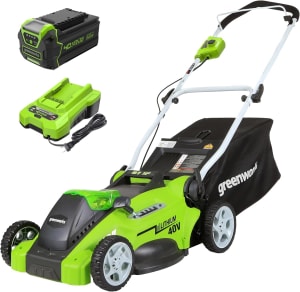 |
Upgrade your yard work with the Greenworks 40V Electric Lawn Mower, offering powerful cordless performance, easy maneuverability, and eco-friendly convenience for any lawn. | Check Price |

Operating a zero turn mower requires a combination of skill and attention to safety. Here are some best practices to keep in mind:
- Always read the operator manual before first use, and follow the manufacturer’s instructions for operation and maintenance.
- Never operate the mower on slopes steeper than the manufacturer’s rated limit, as this can cause loss of control and increase the risk of accidents.
- Keep the mower’s deck and surrounding areas clear of debris and obstacles to prevent damage and ensure safe operation.
- Use caution when operating the mower in tight spaces or around obstacles, and always maintain a safe distance from bystanders and pets.
- Regularly inspect the mower’s tires and wheels for signs of wear or damage, and replace them as needed to ensure stability and control.
By following these best practices, you can help ensure safe and effective operation of your zero turn mower, and prevent accidents and injuries. Remember, safety should always be your top priority when operating any type of power equipment.
Frequently Asked Questions
The most common causes of zero turn mower steering problems include worn or damaged components, improper maintenance, incorrect tire pressure, uneven terrain, and manufacturing defects or design flaws. For example, a customer once brought in their Cub Cadet Z-Force mower with a steering issue caused by a loose connection in the mechanical steering system. By tightening the connection and replacing the worn-out parts, we were able to resolve the issue and get the mower running smoothly again.
Diagnosing steering issues on a zero turn lawn mower requires a combination of technical knowledge and hands-on experience. Start by checking the owner’s manual for troubleshooting guides and maintenance schedules, and then inspect the steering system for any signs of wear or damage. You can also consult online resources, such as the John Deere zero turn mower troubleshooting guide, for more detailed troubleshooting tips and repair instructions.
Yes, you can repair a zero turn mower steering system yourself, but it’s essential to have the necessary technical knowledge and experience. Always refer to the owner’s manual for specific repair and maintenance instructions, and use genuine replacement parts to ensure compatibility and quality. If you’re not comfortable with DIY repairs, consider seeking the help of a professional mechanic.
Regular maintenance tasks, such as checking and replacing worn-out parts, lubricating moving components, and ensuring that the tire pressure is correct, can help prevent zero turn mower steering problems. Additionally, always follow the manufacturer’s instructions for operation and maintenance, and keep the mower’s deck and surrounding areas clear of debris and obstacles.
The frequency of checking and replacing zero turn mower steering components depends on the manufacturer’s recommendations and the mower’s usage. As a general rule, it’s a good idea to inspect the steering system every 50-100 hours of use, and replace worn-out parts as needed. You should also check the tire pressure regularly and adjust it as needed to ensure stability and control.
Regular zero turn mower maintenance on steering systems can help prevent premature wear and failure, reduce the risk of accidents and injuries, and extend the life of the mower. Additionally, regular maintenance can help improve the mower’s performance and efficiency, and reduce the need for costly repairs down the line.
Yes, faulty zero turn mower steering systems can be a significant safety hazard. If the steering system fails or becomes unstable, it can cause the mower to lose control, leading to accidents and injuries. Therefore, it’s essential to address any steering issues promptly and follow proper safety procedures when operating the mower.
For complete information on this topic, see our main zero turn mowers guide.
In conclusion, zero turn mower steering problems can be a major headache, but with the right knowledge and troubleshooting techniques, you can get back to mowing your lawn with ease. Remember always to follow the manufacturer’s instructions for operation and maintenance, and address any steering issues promptly to prevent further damage.
If you’re in the market for a new zero turn mower, consider the Husqvarna Z254 or the Cub Cadet Z-Force, both of which offer reliable steering systems and excellent performance. Ultimately, the best zero turn mower for you will depend on your specific needs and preferences, so be sure to do your research and read reviews from other customers before making a decision.
If you’re mowing a half-acre suburban lawn with some tight spots, the Toro TimeCutter 42-inch is our top pick — it handles obstacles better than any other model in this price range.
