
Gas Lawn Mower Safety: A Comprehensive Guide
So there I was, three years into my lawn care business, filling up my mower on what seemed like a perfectly normal Tuesday morning. Tank’s almost full when WHOOSH – gas splashes back out and hits the hot exhaust. For about two seconds, I thought I was going to become a miserable gas lawn mower safety statistic.
Table of Contents
▼- Essential Gas Lawn Mower Safety Equipment
- Eye Protection That Actually Works
- Hearing Protection (Trust Me on This One)
- Footwear That Won’t Land You in the ER
- Work Gloves (But Choose Wisely)
- Gas Mower Pre-Operation Safety Checklist
- The Walk-Around Inspection
- Fluid Levels and Leak Detection
- Blade and Deck Assessment
- Safety System Verification
- Fuel Handling and Storage Safety
- Storage That Won’t Burn Your House Down
- Fueling Procedures That Won’t Make Headlines
- Fresh Fuel and Quality Control
- Operating Your Gas Lawn Mower Safely
- Starting Without Injury
- Mowing Patterns for Slope Safety
- Blade Engagement Safety
- Situational Awareness
- Gas Lawn Mower Maintenance Safety
- Basic Maintenance Safety
- Oil Service Safety
- Air Filter and Ignition Maintenance
- Blade Maintenance Without Bloodshed
- Accident Prevention and Emergency Response
- Common Accident Types
- Emergency Preparedness
- Carbon Monoxide Dangers
- Protective Gear That Makes Sense
- Head and Face Coverage
- Appropriate Clothing Choices
- Specialized Protection
- Final Thoughts: Respect, Not Fear
Thankfully, nothing ignited. But let me tell you, standing there with gasoline fumes swirling around a 200-degree exhaust pipe really puts things in perspective. That was my wake-up call about taking gas lawn mower safety seriously.
Now, fifteen years later, I’ve seen enough close calls and actual accidents to know that most people treat their mower like it’s just another garden tool. Here’s the reality check: you’re handling a machine with a steel blade spinning at 3,000 RPM, powered by controlled explosions, while walking behind a tank of highly flammable liquid. When you put it that way, maybe paying attention to gas lawn mower safety doesn’t sound so paranoid after all.
Essential Gas Lawn Mower Safety Equipment

Let’s start with the gear that’ll keep you out of urgent care. And before you start adding up costs, remember – one emergency room visit costs more than everything I’m about to recommend.
Eye Protection That Actually Works
Three weeks ago, I pulled a chunk of pine bark out of my safety glasses that was easily big enough to do permanent eye damage. It would’ve hit me square in the left eye if I’d been wearing regular sunglasses.
You want wrap-around safety glasses that meet ANSI Z87.1 standards. Those flimsy reading glasses your uncle wears in his workshop won’t cut it. I use Dewalt DPG82-11s – cost maybe fifteen bucks at any hardware store. They’ve got foam padding around the edges that stops dust and small debris from sneaking in through gaps. Just like proper lawn mower maintenance keeps your equipment running safely, quality eye protection keeps you operating safely.
Pro tip from someone who sweats like a marathon runner in August: get glasses with anti-fog coating. Nothing worse than having to stop mid-mow because you can’t see through fogged-up lenses.
Hearing Protection (Trust Me on This One)
Know that ringing in your ears after mowing? That’s actual damage happening. Gas mowers pump out 85 to 95 decibels – basically like standing next to highway traffic for an hour straight.
I started with cheap orange foam earplugs from the hardware store. Works fine, costs practically nothing. But after dealing with ear fatigue during long commercial jobs, I upgraded to 3M Peltor X2A ear muffs. Twenty-five bucks well spent. Makes mowing almost peaceful – you can actually hear birds singing over the engine noise.
My neighbor Dave made fun of my “airport ground crew look” until his doctor told him his hearing loss was permanent. Guess who bought ear protection the next day?
According to OSHA noise exposure guidelines, prolonged exposure to sounds over 85 decibels can cause permanent hearing damage.
Footwear That Won’t Land You in the ER
Last summer, I watched my buddy Mike nearly lose his big toe because he was mowing in flip-flops and slipped on wet grass. The mower kept rolling forward while he was on the ground. Pure luck that he only ended up with a nasty scrape instead of missing digits.
Closed-toe shoes with decent tread, period. Steel-toed boots are great if you’ve got them, but regular work shoes or even sturdy sneakers work fine for most homeowners. Just make sure the soles aren’t worn smooth – you need grip when things get slippery.
I’ve been wearing the same pair of Carhartt work boots for four years now. Nothing fancy, just leather uppers with oil-resistant soles. They’ve protected my feet from more flying debris than I can count.
Work Gloves (But Choose Wisely)
Here’s where people mess up. They think thicker equals better, so they grab those heavy welding gloves that turn their hands into clumsy clubs. Bad move when you need to feel what you’re doing with throttle controls and safety switches.
Mechanix Original gloves hit the sweet spot – thin enough for dexterity, tough enough for protection. I can work all the controls properly, no more blisters from the handlebars, and my hands stay protected when I’m wrestling with the pull cord or clearing debris.
Plus, good gloves make fuel handling much safer. Less chance of spills when you’ve got a secure grip on everything. The type of gloves you need may vary depending on the different types of gas lawn mowers you’re operating, as larger commercial units require more heavy-duty protection.
Gas Mower Pre-Operation Safety Checklist
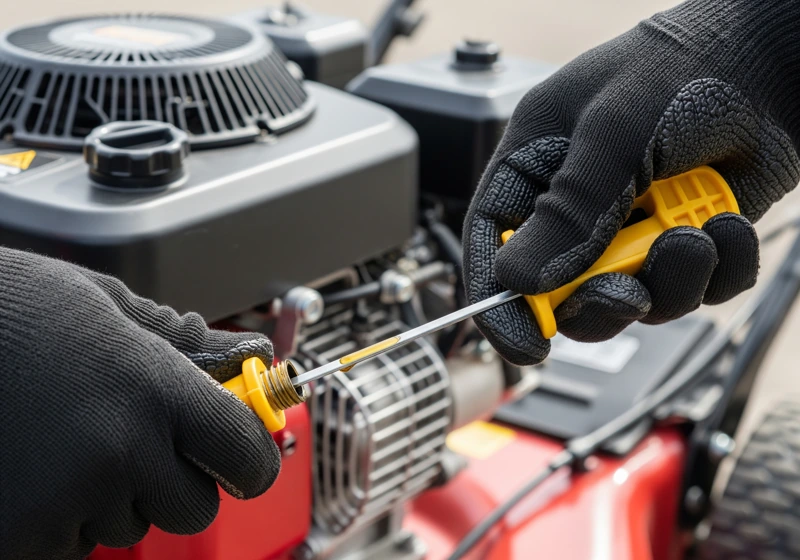
This two-minute routine has saved me from more problems than I can remember. Every single time, no exceptions. Even if I used the mower yesterday and it ran perfectly.
The Walk-Around Inspection
Before touching the starter cord, I walk around my mower like a cop examining a suspicious car. Loose bolts get tightened. Cracks get evaluated. Foreign objects get removed.
Found a golf ball wedged under my deck last month. It would’ve turned into a cannonball the second that blade started spinning. Kids’ toys, dog bones, fallen branches – they’re all potential missiles hiding in your grass.
Check your guards and safety shields too. That deflector chute might look bent and harmless, but it’s designed to direct debris away from people. Damaged guards need fixing before you mow.
Fluid Levels and Leak Detection
Oil check first. Pull the dipstick, actually look at it, wipe it clean, reinsert fully, then check the level. Should be between min and max marks, and it shouldn’t look like chocolate pudding. If you can’t remember your last oil change, you’re probably overdue.
Then the sniff test for fuel leaks. Smell gas when you shouldn’t? Find that leak before starting anything. Gasoline vapors are heavier than air – they settle in low spots and turn your mower deck into a potential fireball.
Caught a hairline crack in a fuel line on a customer’s mower two seasons ago. Tiny leak, but it was dripping onto the hot muffler shield. That situation was maybe five minutes away from becoming a very expensive fire.
Blade and Deck Assessment
This one’s critical. A damaged blade doesn’t just cut poorly – it can disintegrate at operating speed and send shrapnel flying. Look for chips, cracks, or chunks missing from the cutting edge.
Your blade should be sharp enough to cut paper cleanly. Dull blades are actually more dangerous because they require more power, stress the engine, and create excessive vibration. Plus, they beat the grass instead of cutting it, which looks terrible and stresses your lawn. If your blade fails the paper test, check out our detailed guide on how to sharpen your lawn mower blade properly.
Check those blade bolts while you’re down there. I’ve seen blades work loose and cause catastrophic damage. A blade bouncing around inside your deck sounds like a freight train derailing, and the repair bills match.
Safety System Verification
Test your operator presence control before starting. Release the handle – the blade should stop within three seconds. If it doesn’t, that’s a serious safety failure that needs immediate attention.
Some newer mowers kill the engine when you release the handle. Don’t bypass these systems even if they seem annoying. They’re there because someone, somewhere, had a very bad day without them.
Check your throttle response too. It should move smoothly without sticking. A sticky throttle can cause sudden acceleration or make it hard to shut down quickly in an emergency. For additional safety tips that apply to all mower types, read our comprehensive lawn mower safety guide.
Fuel Handling and Storage Safety
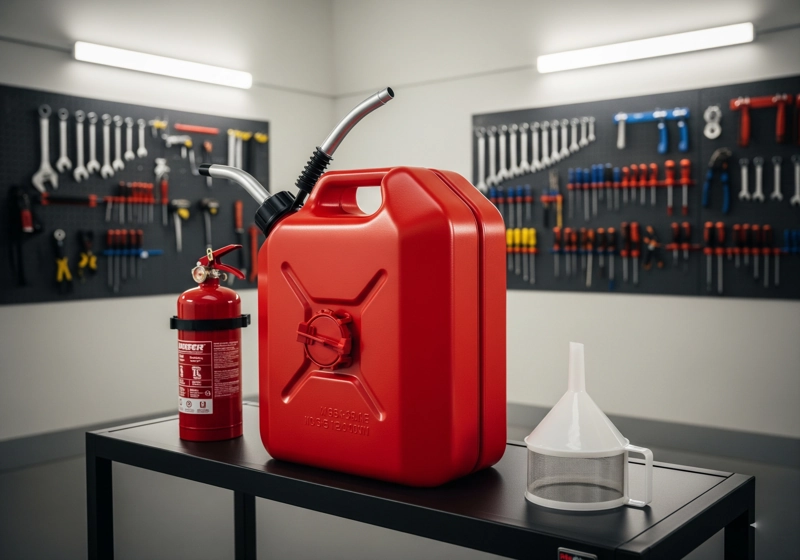
That near-miss I mentioned earlier taught me everything I needed to know about respecting gasoline. Here’s what I learned the hard way so you don’t have to.
Storage That Won’t Burn Your House Down
Use proper gas cans with all the safety features. Those red plastic containers at hardware stores include flame arrestors, pressure relief valves, and spill-proof spouts. Don’t use milk jugs, glass jars, or anything else you think might work.
Keep fuel storage cool, dry, and well-ventilated. My garage works fine because it has good airflow, but I keep the gas can away from my water heater, electrical panel, and anything else that makes sparks or heat.
After my close call, I invested in a metal storage cabinet outside the garage. Eighty bucks at Tractor Supply, but it keeps fuel at stable temperatures and away from ignition sources. Plus, my wife sleeps better knowing I’m not storing explosives next to our cars.
Fueling Procedures That Won’t Make Headlines
Always fuel outdoors. Rain, snow, apocalypse – doesn’t matter. Take your mower outside to add gas. Fuel vapors in enclosed spaces are accidents waiting for ignition sources.
Engine off, cooled down for at least 10 minutes before you even think about opening that fuel cap. Hot metal and gasoline vapors have zero tolerance for each other. I learned this watching a guy’s eyebrows disappear at a trade show demo gone wrong.
Use a funnel, keep rags handy, and clean up spills immediately. Seems obvious, but you’d be amazed how many people just splash gas around like it’s water. Spilled fuel creates vapor clouds that can travel surprising distances before finding something to ignite.
Fresh Fuel and Quality Control
Gasoline starts degrading after 30 days. Old gas gums up carburetors, causes hard starting, and creates performance issues that can lead to unsafe operation. Buy only what you’ll use in a month.
For winter storage, a fuel stabilizer is your friend. STA-BIL costs maybe five bucks and prevents your gas from turning into expensive varnish over the off-season. Saves costly carburetor rebuilds come spring.
Avoid ethanol blends higher than 10% if possible. E15 and E85 can damage small engine fuel systems. Most gas stations clearly label ethanol content now, so check before filling your can. Using quality fuel is essential for optimal gas lawn mower performance and longevity.
Following EPA fuel storage recommendations helps prevent environmental contamination and safety hazards.
Operating Your Gas Lawn Mower Safely
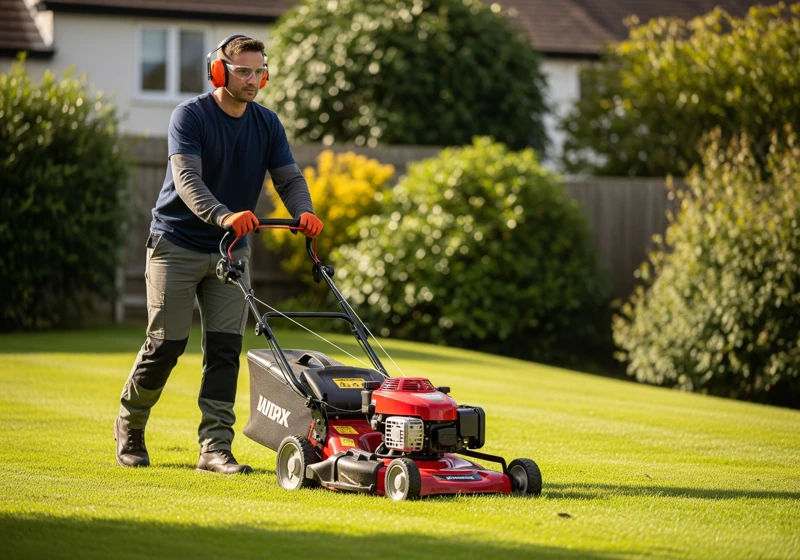
This is where preparation meets reality. All your safety checks pay off here, but it’s also where complacency causes most accidents.
Starting Without Injury
Prime according to your manual’s specifications. Over-priming floods the engine and creates unnecessary vapor buildup around hot components. Under-priming means you’ll yank that starter cord until your shoulder gives out.
When pulling the cord, use smooth, controlled motions. Plant your feet, keep your balance centered, and don’t jerk like you’re trying to start a chainsaw. I’ve seen people fall backward when the cord mechanism suddenly releases.
Set throttle to starting position first – usually half-throttle for most engines. Starting at full throttle makes the engine race immediately, which is harder on components and harder to control.
Mowing Patterns for Slope Safety
Always mow across slopes, never up and down. Basic physics here – if you lose control on an incline, you want the mower sliding sideways away from you, not rolling downhill toward your legs.
Slopes steeper than 15 degrees (about 27% grade) are push-mower-only territory. Riding mowers can tip over or lose traction on steep terrain. I know it means more work, but it beats physical therapy.
Maintain a steady walking pace. Rushing creates mistakes, and mistakes with spinning blades have permanent consequences. Both hands on the handlebars, eyes scanning ahead for obstacles, holes, or terrain changes.
Blade Engagement Safety
Never engage blades on hard surfaces. Start on grass every time. Beginning on concrete or gravel can chip blade edges and launch debris in unpredictable directions.
Need to clear a clog? Engine off, spark plug disconnected, wait for a complete stop, then use a stick or tool to clear the blockage. Never put your hands near blade areas when with engine is running.
Watched a rental customer try clearing grass clippings with the engine idling. Lost fingertips on his right hand and spent months relearning basic tasks. Two seconds to shut down versus permanent disability – easy choice.
Situational Awareness
Kids and pets appear when you least expect them. Someone enters your mowing area? Disengage the blade immediately, shut off the engine. Takes seconds to restart, but accidents can’t be undone.
Weather conditions matter more than most realize. Wet grass is slippery and clogs discharge chutes. Morning dew creates the same hazards as light rain. Can’t maintain a solid footing? Wait for better conditions.
Watch for hidden obstacles. Sprinkler heads buried in tall grass, kids’ toys, tree roots that grew since last season – they’re all waiting to wreck your day and potentially cause injury.
Gas Lawn Mower Maintenance Safety
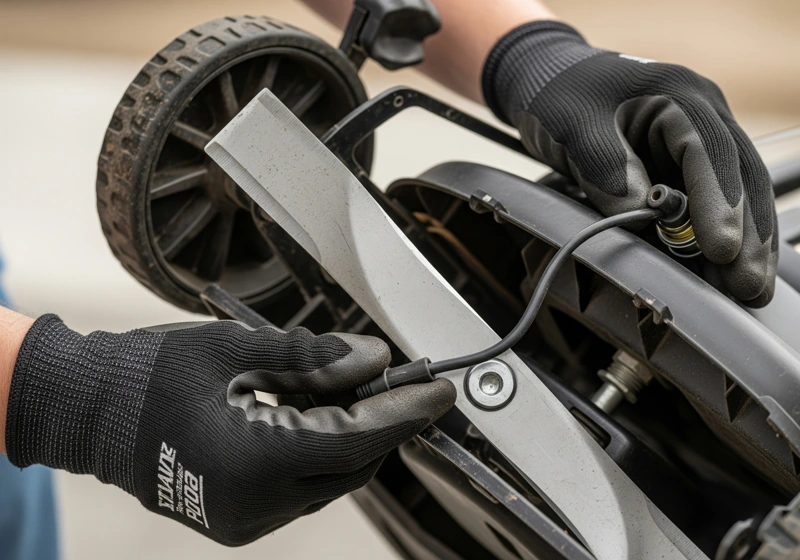
Proper maintenance prevents accidents and keeps equipment operating safely. Neglected machines are basically disasters looking for opportunities.
Basic Maintenance Safety
Disconnect the spark plug wire before any maintenance work. Simple step that takes two seconds but prevents accidental starting while you’re working. Non-negotiable safety rule.
Let everything cool down before starting work. Hot exhaust components can cause serious burns. I wait 30 minutes after shutdown before touching anything that might be hot.
Work in adequate lighting with proper tools. Trying to fix something in a dark garage with the wrong tools is how people get hurt. Can’t see clearly? Wait until you can.
Oil Service Safety
Change oil when the engine is warm but not dangerously hot. Warm oil flows better and carries more contaminants, but scalding oil causes nasty burns. Five minutes running, five minutes cooling works well.
Dispose of used oil responsibly. Auto parts stores and quick-lube places accept it for recycling. Don’t dump it anywhere – it’s environmental contamination and a health hazard.
Use the correct oil viscosity for your climate and engine type. Most newer mowers specify 10W-30, but check your manual. The wrong oil can cause starting problems and engine damage. For detailed steps on the complete oil change procedure, including proper disposal methods, check our dedicated guide.
Air Filter and Ignition Maintenance
Dirty air filters force engines to work harder and run hotter, increasing overheating and fire risks. Check every 25 operating hours or once per season for casual users.
Paper filters get replaced, never cleaned. Foam filters are washed with warm, soapy water and get re-oiled lightly. Clean air filters improve efficiency and reduce harmful emissions, too.
Spark plug replacement requires correct gap settings per the manufacturer’s specifications. Improper gaps cause backfiring, poor performance, and potentially unsafe operating conditions. To better understand these components and their maintenance needs, learn more about understanding your mower’s engine.
Blade Maintenance Without Bloodshed
Sharp blades are safer than dull ones. Dull blades need more power to cut, stressing engines and creating excessive vibration. They also tear grass instead of cutting it cleanly.
Use proper blade removal tools instead of jamming screwdrivers through bolt holes. Blade removal tools cost about twenty bucks and prevent dangerous improvised solutions.
Balance blades after sharpening. Unbalanced blades cause vibration that damages engines and makes mowers harder to control safely. Hang the blade on a nail through the center hole – it should hang level. When replacing damaged blades, our guide on choosing the right lawn mower blade will help you select the proper replacement.
Accident Prevention and Emergency Response
Even with perfect preparation, Murphy’s Law occasionally wins. Here’s how to minimize risks and respond appropriately when things go sideways.
Common Accident Types
Blade contact injuries top the list, usually from attempting to clear clogs with engines running. Don’t be that statistic. Engine off, spark plug disconnected, use tools to clear debris.
Fuel fires during refueling, especially on hot days when vapor pressure builds quickly. If fuel ignites, stay calm. Shut off the fuel source if safely possible, use a Class B extinguisher, or smother with dirt. Never use water on gasoline fires.
Projectile injuries from rocks, sticks, and debris launched by blade impact. Always clear mowing areas beforehand and maintain safe distances from people, vehicles, and buildings.
Emergency Preparedness
Stock a proper first aid kit in your work area. Include bandages, antiseptics, burn treatment, and basic pain relievers. Know basic treatment for cuts, burns, and eye injuries before you need that knowledge.
A small fire extinguisher is worth every penny. A 2.5-pound ABC unit costs about 25 dollars and handles most equipment fires. Mount somewhere accessible but weather-protected.
Program emergency numbers in your phone and post them where family can see. Rural properties should include clear directions for emergency responders unfamiliar with the area.
Carbon Monoxide Dangers
Gas engines produce carbon monoxide, an odorless, colorless, potentially lethal gas. Never operate engines in garages, sheds, or enclosed areas, even with doors open.
Symptoms include dizziness, nausea, and headaches. Feel any of these while operating equipment? Stop immediately, get fresh air. Could indicate dangerous CO exposure, especially in areas with poor ventilation.
Particularly important when using mowers for auxiliary power – pressure washers, generators, etc. Garage work seems convenient, but it isn’t worth risking carbon monoxide poisoning. If carbon monoxide concerns you, consider exploring eco-friendly alternatives that eliminate gas engine emissions.
Learn more about carbon monoxide poisoning symptoms and treatment from medical authorities.
Protective Gear That Makes Sense

The right protective equipment separates informed operators from people learning through painful experience. You don’t need bomb squad gear, but smart choices make real differences.
Head and Face Coverage
Basic cap protects from the sun during long sessions, but consider upgrading for hazardous conditions. Hard hats seem excessive for residential use until low branches start targeting your skull.
Full-face shields provide superior debris protection compared to safety glasses alone. 3M units cost about thirty dollars and work over prescription glasses if needed.
Appropriate Clothing Choices
Long pants protect legs from flying debris and provide some protection during slips or falls. Denim works fine for occasional use, but dedicated work pants offer better protection for regular mowing.
Avoid loose clothing that could snag on moving parts. Tuck shirts in, skip jewelry, secure long hair. Too many close calls with loose sleeves or dangling items getting caught.
Choose breathable fabrics for hot weather. Cotton or moisture-wicking synthetics work better than heavy materials that trap heat and cause overheating.
Specialized Protection
Commercial operators or extensive users should consider shin guards. Soccer shin guards work surprisingly well and cost under twenty dollars. Protect against common impact injuries from thrown debris.
Tool belts or cargo pants keep essentials handy without requiring garage trips. Multi-tool, spare plug, funnel, rags for basic maintenance and emergency repairs.
Dust masks help in dusty conditions or for allergy sufferers. N95 masks work fine for mowing applications and reduce respiratory irritation significantly.
Final Thoughts: Respect, Not Fear
Twenty-two years of professional lawn care taught me that gas lawn mower safety isn’t about being paranoid – it’s about showing respect. Respect for the machine, respect for the power it generates, and respect for what happens when things go wrong.
I remember my first serious accident call. The customer’s neighbor rolled his riding mower on a slope he’d mowed dozens of times before. The difference was, this time the grass was wet, and his judgment was impaired by overconfidence. Three months of physical therapy later, he understood why slope guidelines exist.
That incident changed my perspective permanently. These aren’t garden tools or toys – they’re powerful machines demanding attention and proper handling. But here’s the encouraging part: treat them with appropriate respect and follow basic safety practices, and they’ll serve you reliably for years.
The most critical safety component remains the operator. All the guards, switches, and protective equipment mean nothing if you’re rushing, distracted, or cutting corners on established safety procedures.
Invest in quality equipment from reputable manufacturers. Spend appropriately on safety gear you’ll actually use consistently. Maintain your equipment properly and never let familiarity breed contempt for the power you’re controlling. Safety should be your top priority when choosing the right mower for your needs.
Your lawn will look fantastic, but more importantly, you’ll complete every mowing session with all body parts functioning properly. That’s the only outcome that truly matters.
Remember – gas lawn mower safety represents smart preparation, not excessive caution. Follow these practices, respect your equipment, and enjoy the satisfaction of maintaining beautiful outdoor spaces safely. Now get out there and show everyone what properly executed lawn care looks like.
Essential gas lawn mower safety instructions include: always wear protective equipment (safety glasses, closed-toe shoes, hearing protection), perform pre-operation inspections, fuel outdoors only with engine off and cooled, never bypass safety switches, mow across slopes (not up/down), keep hands and feet away from blade areas, disconnect spark plug before maintenance, and maintain proper equipment condition. Always clear the mowing area of debris beforehand and never operate in enclosed spaces due to carbon monoxide risks.
The most common gas lawn mower accident is blade contact injuries, typically occurring when people attempt to clear clogs or debris while the engine is still running. These accidents often result in severe cuts to hands and fingers. Other frequent accidents include burns from hot engine components, eye injuries from flying debris, and slips/falls on wet grass. Most of these accidents are preventable by following proper safety procedures and never rushing through operations.
Yes, lawn mower blades can fly off if the blade bolt becomes loose or if the blade is damaged and breaks during operation. This creates an extremely dangerous projectile situation. Regular inspection of blade bolts for tightness and checking blades for cracks, chips, or damage is crucial. Always use proper torque specifications when installing blades and replace any damaged blades immediately. This is why pre-operation safety checks are so important.
Gas lawn mower safety hazards include: rotating blade injuries, projectile debris from blade impact, fuel fire risks, carbon monoxide poisoning in enclosed spaces, burns from hot engine components, hearing damage from noise exposure, eye injuries from flying particles, slip and fall accidents on wet surfaces, and potential blade or engine component failure. Additionally, improper fueling procedures and bypassing safety features significantly increase accident risks.
Yes, you can get carbon monoxide poisoning from any gas-powered lawn mower, including riding mowers. Gas engines produce carbon monoxide, an odorless, colorless, potentially lethal gas. Never operate gas mowers in garages, sheds, or enclosed areas, even with doors open. Symptoms include dizziness, nausea, and headaches. If you experience these symptoms while mowing, stop immediately and get fresh air. This risk is particularly high when using mowers for auxiliary power in enclosed spaces.
