
Gas Lawn Mower Mulching: A Guide to Healthier Lawns
Man, I feel like such an idiot looking back on this. For the first five years I was in the lawn care business, I religiously bagged every single clipping from my yard. Thought I was being neat, you know? My wife would joke that our garbage pickup looked like we were running a landscaping company – just bags and bags of grass every week.
Table of Contents
▼- What Exactly Is Mulching (And Why Most People Get It Wrong)
- Why Gas Mowers Are the Real Deal for Mulching
- Picking the Right Gas Mower (Without Getting Ripped Off)
- Gas Mower Mulching vs. Other Options
- Getting Your Mower Set Up Right
- Doing It Right (The Stuff Nobody Tells You)
- Seasonal Reality Check
- When Things Go Wrong (And How to Fix Them)
- Advanced Tricks (For When You Want to Get Fancy)
- Keeping Your Mower Happy (So It Keeps Making You Happy)
- Bottom Line
Then this old-timer named Frank at the shop where I worked showed me his yard one Saturday morning. Holy cow. His grass was so thick you could practically bounce a quarter off it, and it was this deep, gorgeous green that made my lawn look like garbage. I’m standing there asking him what kind of fertilizer he used, what his watering schedule was – figured he had some secret formula.
“Kid,” he says (I was 28, but Frank called everyone under 50 ‘kid’), “I haven’t bought fertilizer in three years. I just let my mower do the work.” Turns out he’d been mulching his clippings with his old Toro for years, basically feeding his lawn its grass. Changed everything for me.
Look, if you’re still bagging your clippings or just letting them sit in ugly piles all over your yard, you’re making the same mistake I did. A gas mulching lawn mower isn’t some fancy technique – it’s tricking your lawn into eating its vegetables. And once you get the hang of it, your grass will thank you in ways that’ll make your neighbors wonder what the heck you’re doing differently.
What Exactly Is Mulching (And Why Most People Get It Wrong)
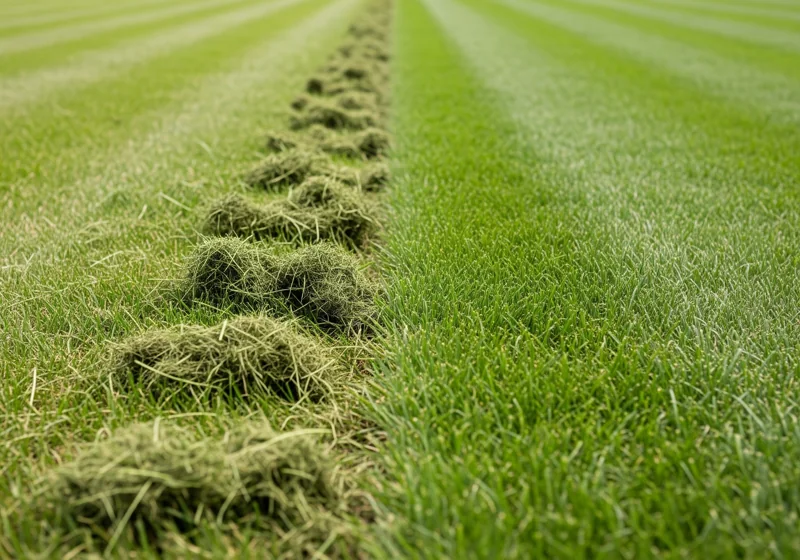
Okay, so here’s where people mess up. They think mulching just means chopping up grass and throwing it around. Wrong. Real gas mower mulching – the kind that helps your lawn – means cutting those clippings down to tiny pieces, like under an inch, so they basically disappear into your grass and break down fast.
The way it works is pretty cool, actually. Your mulching mower doesn’t just cut the grass once like a regular mower. It’s got special blades and this curved deck that creates this little tornado effect underneath. The grass gets cut, then whipped around and cut again, sometimes three or four times before it finally settles back down onto your lawn.
When I first started telling customers about this, half of them thought I was nuts. “Won’t that kill my grass?” they’d ask. “Isn’t that going to create thatch problems?” Nope. When you do it right, those tiny clippings disappear within a few days. You literally can’t see them after your next mowing.
Here’s the science part (don’t worry, I’ll keep it simple): grass clippings are basically 80% water and loaded with nitrogen. That’s the same nitrogen you’re paying good money for in fertilizer bags. When those clippings break down, they’re slowly releasing that nitrogen right back to your grass roots through the natural nitrogen cycle. It’s like having a time-release fertilizer that you didn’t have to buy.
I’ve been tracking this with my customers for years now. Lawns that get properly mulched need about 25% less store-bought fertilizer. That adds up fast, especially when you’re talking about bigger properties.
Why Gas Mowers Are the Real Deal for Mulching
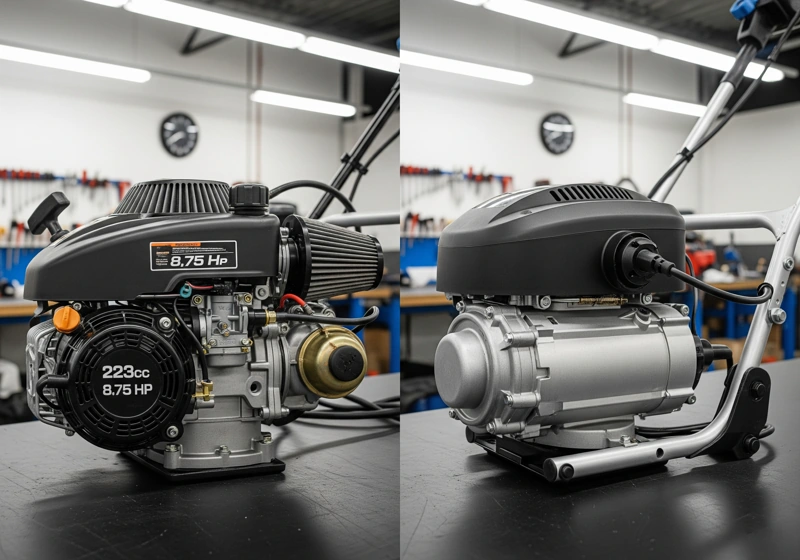
After fixing and testing probably 200+ mowers over the years, I’ll tell you straight up gas powered mulching mowers just do mulching better than anything else out there. And it’s not even close.
They Don’t Quit When Things Get Tough
Electric mowers are fine for small, easy yards. But when you hit thick spring grass or that first cut after vacation, when everything’s grown out? Gas engines just keep chugging. My Honda HRX217 has this GCV190 engine that puts out 4.4 ft-lbs of torque, and it doesn’t care if the grass is thick, thin, wet, or whatever. It just cuts. This is exactly why gas lawn mowers deliver superior power and performance for challenging conditions.
I’ve watched customers struggle with battery mowers that start strong but fade halfway through the job. Then they’re either rushing to finish before the battery dies, or they’re stuck with a half-mulched, half-whatever mess.
No Timer Running Down
Here’s what kills me about battery mowers for mulching – you’re always watching the clock. Good mulching means going at a steady pace, not racing around because you’ve got 20 minutes of juice left. With gas, I can take my time, overlap my passes, and do the job right without worrying about anything except getting it done properly.
Weather Doesn’t Stop Them
Gas mowers handle morning dew, slightly damp grass, and thick growth like it’s nothing. Try that with an electric mower and you’ll see what I mean. The motor bogs down, the cut gets uneven, and your mulching goes to hell.
Picking the Right Gas Mower (Without Getting Ripped Off)
Not every gas mulching lawn mower that says “mulching” actually mulches worth a damn. I’ve seen too many people buy cheap mowers thinking they’re getting a deal, only to end up with clumpy messes all over their yard.
What Matters
The deck is huge. You want something deep and curved that moves air around underneath. Those shallow, flat decks you see on cheap mowers? Forget it. There’s no room for the grass to get chopped up properly.
And don’t get me started on those mowers that claim to mulch but just give you a piece of metal to block the side chute. That’s not mulching, that’s just making a mess with extra steps.
The Mowers I Recommend
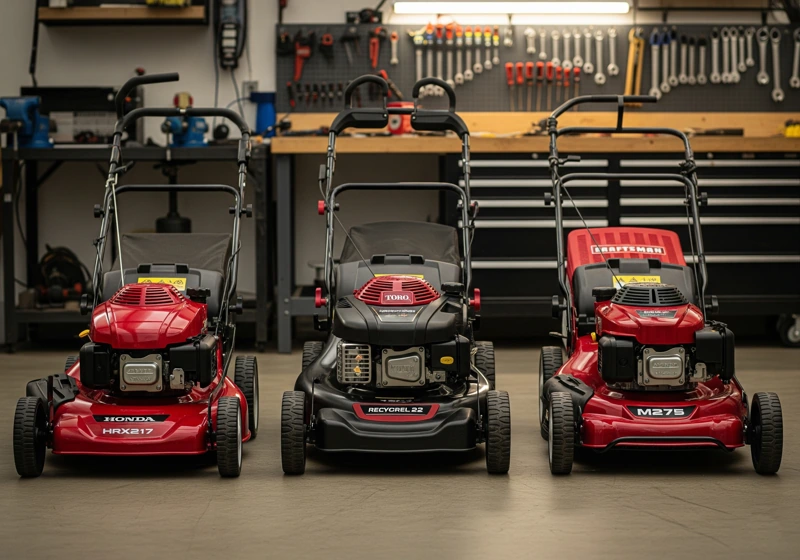
Honda HRX217 – This is what I use at home, and it’s what I recommend to probably 70% of my customers. The twin-blade system (they call it MicroCut) works. Costs around $500, which isn’t cheap, but it’ll last you 15+ years if you maintain it. I’ve got customers still running these things from 2010. For detailed reviews of the best gas lawn mower brands and their specific models, you’ll want to compare all your options.
Toro Recycler 22″ – The Super Recycler system is legit. Creates this vortex thing that chops grass multiple times before spitting it out. Works great on everything from fine grass to thick stuff like St. Augustine. Usually runs about $400-450.
Craftsman M275 – If you’re on a budget but still want real mulching, this one gets the job done. It’s not fancy, but for yards under half an acre, it’ll mulch properly without breaking the bank. Around $300.
Skip These Completely
Any mower where “mulching” just means a plug for the side discharge. Any mower under $250 that claims to mulch (you get what you pay for). And honestly, most of the big box store house brands – they look good, but the deck design is usually garbage.
Gas Mower Mulching vs. Other Options
Here’s something I get asked about constantly – why choose a gas mower mulching over electric or battery options? After years of comparing different power sources, the answer comes down to performance and reliability.
When you’re mulching with gas lawn mower power, you’re getting consistent torque that doesn’t fade when conditions get tough. I’ve watched customers struggle with battery mowers that start strong but can’t maintain proper mulching performance as the battery drains. While gas excels for mulching, electric lawn mowers do have their place for smaller properties with lighter grass conditions.
The key difference is that a quality gas powered mulching mower maintains its cutting speed and blade tip velocity throughout the entire job. This consistency is what creates those finely chopped clippings that disappear into your lawn instead of sitting on top like chunks.
Getting Your Mower Set Up Right
Even a good gas mulching lawn mower won’t mulch properly if you don’t set it up right. I see this all the time – people with perfectly good equipment getting terrible results because nobody showed them the basics.
Height Settings That Work
This one-third rule isn’t just something landscapers made up to sound smart – it’s based on scientific research about grass health and environmental benefits. Never cut more than one-third of your grass height in one pass. Ever. For most grass types around here, that means cutting at 3 to 3.5 inches during the growing season.
I know it looks long at first if you’re used to scalping your lawn down to putting green height. But taller grass = healthier grass = better mulching. Plus, in summer, that extra height shades the soil and keeps moisture from evaporating as fast.
Sharp Blades Are Everything
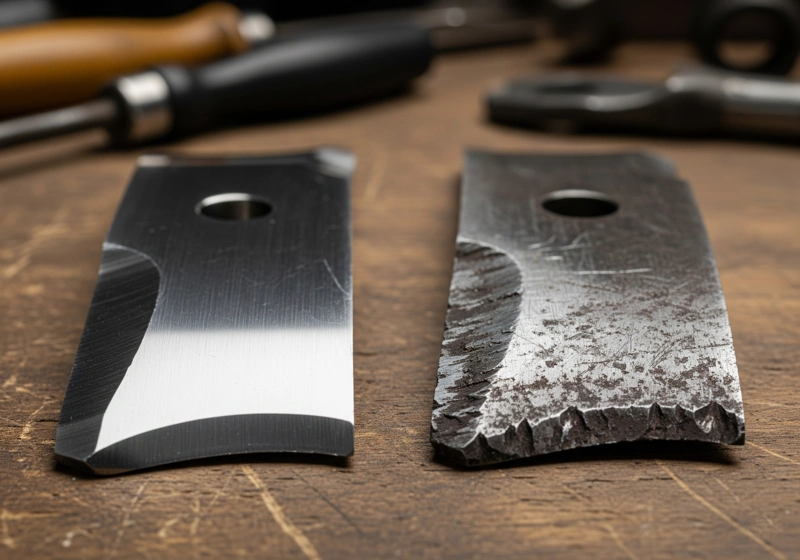
Dull blades don’t cut grass – they beat it to death. And beaten grass doesn’t mulch, it just turns brown and looks terrible. I tell people to sharpen their mulching blades twice a season, minimum. More if you’re mowing a lot. Understanding the different types of lawn mower blades and their specific purposes can help you optimize your mulching performance.
Pro tip from years of fixing mowers: balance your blade after sharpening. Unbalanced blades vibrate like crazy and mess up the airflow that makes mulching work. Most shops will do this for five bucks when they sharpen your blade.
Engine Stuff to Check
Your mower should maintain steady RPMs even when the grass gets thick. If it’s bogging down, the mulching system can’t work right. Most mowers come adjusted properly from the factory, but if yours is struggling, have someone check the governor setting. Understanding how different lawn mower engines work can help you troubleshoot these performance issues.
Doing It Right (The Stuff Nobody Tells You)
Here’s where knowing what you’re doing matters. The difference between great mulching and mediocre mulching usually comes down to technique, not equipment.
When and How Often to Mow
Consistency beats perfection every time. I mow every 5-7 days during growing season, rain or shine (well, not rain – we’ll get to that). Some weeks the grass barely needs it, other weeks it’s growing like crazy. Doesn’t matter – stick to the schedule.
And don’t mow first thing in the morning if you want to mulch. I used to do this, thinking I was being efficient. All that dew just makes everything clump up. Late afternoon, when the grass is dry but it’s not blazing hot – that’s your sweet spot.
Slow Down, Speed Racer
I get it. Mowing isn’t exactly fun for most people, and you want to get it done. But if you’re racing around at full speed, your mulching system can’t keep up. I stick to about 2-3 mph – fast enough to get done in a reasonable time, slow enough for the mower to chop things up properly.
Change your pattern every week, too. Not just for looks – it helps distribute the clippings more evenly and prevents ruts from forming.
Different Grass, Different Approach
Cool-season stuff like fescue and bluegrass mulches easily with the standard technique. But warm-season grasses like Bermuda and Zoysia? They grow so thick and dense that you need to slow down even more.
St. Augustine is the worst for mulching because of those thick stems. Raise your deck height a bit and make sure your blades are razor sharp – otherwise you’ll just be beating it up.
Seasonal Reality Check
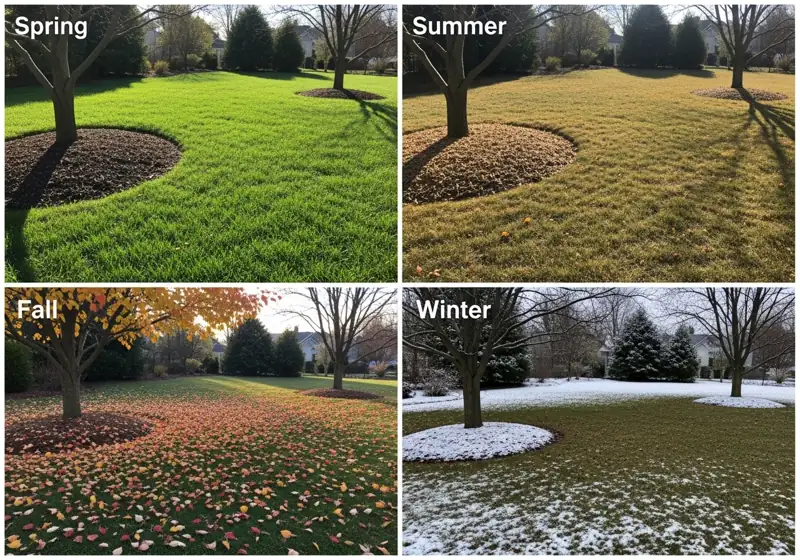
Your mulching game needs to change with the seasons. What works in spring will mess you up in fall if you don’t adjust.
Spring – When Mulching Pays Off Big
Spring is when all this mulching stuff shows its worth. Grass is growing fast, which means lots of clippings, but those clippings are packed with exactly what your lawn needs for strong growth. Understanding your specific grass type and its growing patterns helps optimize mulching results throughout the season. Just be ready to mow more often than you probably want to.
If your grass got long over winter, don’t try to mulch that first cut. Bag it or side-discharge it, then go back to mulching once you’re back to normal cutting heights.
Summer – The Natural Mulch Effect
Hot summer months are where mulching shines. Those chopped-up clippings act like natural mulch, keeping the soil cooler and holding moisture. I’ve measured 10+ degree differences in soil temperature between mulched and non-mulched areas during heat waves.
Raise your cutting height during summer stress periods. Longer grass = more surface area for photosynthesis = better heat tolerance.
Fall – The Leaf Problem
Fall is tricky because now you’re dealing with leaves on top of grass. Light leaf cover? No problem – mulch it all together. Heavy leaves? Different story.
If you’ve got thick leaf cover, mulch the leaves separately first, then do your regular grass cutting. Don’t try to mulch wet, matted leaves – they’ll clog your deck and create a mess.
When Things Go Wrong (And How to Fix Them)
Even when you know what you’re doing, stuff happens. Here are the problems I see most often and how to actually fix them.
Grass Clumps Everywhere
Nine times out of ten, this means you’re cutting too much grass at once, your blades are dull, or you’re trying to mulch wet grass. Start by checking blade sharpness – that fixes most clumping issues right there.
If your deck is getting clogged with grass buildup, pull the spark plug wire and clean it out. Grass sticks to dirty decks way more than clean ones.
Clippings Landing in Weird Patterns
Usually means your deck design sucks or your blade setup is wrong. Some mowers just aren’t built to mulch properly, no matter what the marketing says. If you’re getting consistently uneven results with good technique, you might need a different mower.
Brown Grass Tips After Mowing
Dull blades, every time. They’re tearing the grass instead of cutting it clean. This stresses the grass and makes it more likely to get diseases.
Advanced Tricks (For When You Want to Get Fancy)
Once you’ve got the basics down, here are some techniques that can take your results from good to “how the hell does your grass look so good.”
The Double-Pass Method
When grass gets thick or you’ve missed a week, try this: first pass at a higher deck setting, second pass immediately after at your normal height. Keeps you within the one-third rule while still getting proper clipping size.
Seasonal Blade Swaps
I change blade types throughout the season. High-lift mulching blades in spring, when grass is growing like crazy, standard mulching blades in summer when growth slows down. Makes more difference than you’d think.
Reading the Weather
The day after a light rain is often perfect mulching weather. Soil’s soft, grass stands up straight, but surface moisture has dried off. You learn to feel when conditions are right.
Keeping Your Mower Happy (So It Keeps Making You Happy)
Good maintenance is what separates people with great-looking lawns from people with okay-looking lawns. Here’s what I do, not what the manual says.
After Every Use: Knock the grass off the deck and check for blade damage. Takes two minutes.
Monthly: Air filter, oil level, spark plug condition. Another five minutes.
Mid-season: Sharpen blades. Critical.
End of season: Full tune-up – oil change, new spark plug, fuel system maintenance. Or pay someone to do it right. For a complete breakdown of seasonal maintenance tasks and troubleshooting common issues, our comprehensive maintenance guide covers everything you need to know.
Store it properly in winter. Run it dry or use a fuel stabilizer, clean the deck good, and keep it somewhere dry. Take care of your equipment and it’ll take care of you.
Bottom Line
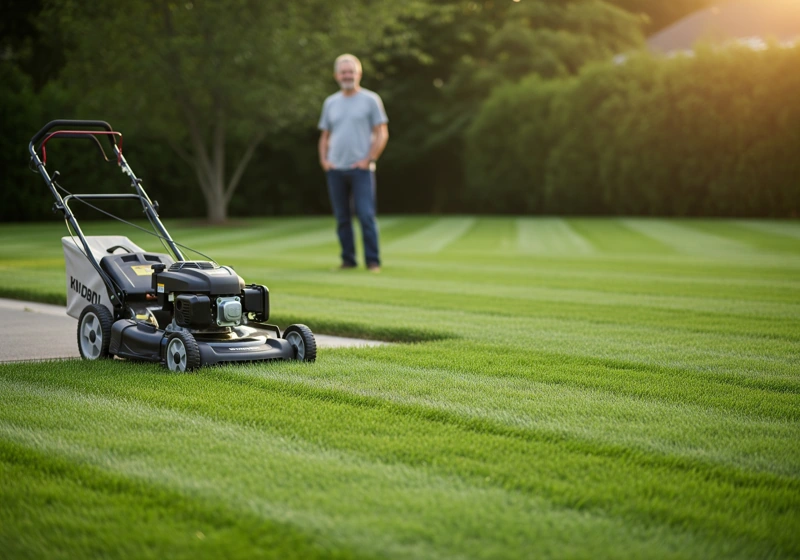
After 15 years of doing this and helping thousands of people fix their lawn problems, I can tell you that proper mulching is probably the single biggest thing you can do to improve your grass. It’s not complicated, it doesn’t cost much once you’ve got the right mower, and it works.
The key is getting the right equipment, maintaining it properly, and learning the technique for your specific situation. Every yard is different, every grass type has its quirks, and you’ll probably have to adjust things based on your results. If you’re still unsure about which type of mower is right for your specific yard conditions, our complete homeowner’s guide breaks down all the factors to consider.
But here’s what I guarantee: once you see what proper mulching does for your lawn – how much thicker and greener it gets, how much less you spend on fertilizer, how much easier everything becomes – you’ll never go back to bagging those clippings. Your lawn will look better, you’ll save money, and you’ll be working with nature instead of against it.
Whether you’re new to gas mower mulching or looking to improve your technique, remember that the right gas powered mulching mower, combined with proper setup, makes all the difference. The investment in quality equipment pays dividends in lawn health and long-term savings.
Trust me, your grass knows the difference. And so will your neighbors.
Based on my 15 years of experience testing over 200 mowers, the Honda HRX217 is the best overall gas mulching lawn mower. Its twin-blade MicroCut system creates incredibly fine clippings, and the variable speed transmission lets you adjust pace for optimal mulching. For budget-conscious buyers, the Craftsman M275 offers solid performance under $300, while the Toro Recycler 22″ provides excellent value with its Super Recycler cutting system that creates a vortex for multiple grass cuts.
The main disadvantages include: clumping when cutting wet or overgrown grass, reduced effectiveness in heavy leaf coverage, and potential for uneven distribution if the mower lacks proper deck design. Gas mulching lawn mowers also require more frequent blade sharpening and won’t work well if you skip mowing sessions and let grass get too long. However, these issues are easily avoided with proper technique and regular maintenance.
Grass clumps typically result from three main issues: cutting too much grass at once (violating the one-third rule), using dull blades that tear instead of cutting cleanly, or attempting to mulch wet grass. Start by checking your blade sharpness – this fixes most clumping problems immediately. Also, ensure you’re not cutting more than one-third of the grass height and wait for dry conditions before mulching.
Use your gas mulching lawn mower during regular weekly maintenance when the grass is dry and you’re removing no more than one-third of the blade length. It’s ideal during spring and summer growing seasons when clippings provide maximum nutritional benefit. Avoid mulching when your lawn has disease, weeds going to seed, or heavy leaf coverage exceeding 50% of the grass surface.
To optimize your gas mower mulching performance: keep blades razor-sharp and properly balanced, maintain cutting height between 3-3.5 inches, mow when grass is completely dry, and stick to a consistent weekly schedule. Slow down to 2-3 mph to allow proper processing time, and ensure your deck is clean and free of grass buildup. Consider upgrading to a dedicated mulching deck if your current mower uses just a side-discharge plug.
Yes, mulching with a gas lawn mower provides superior benefits compared to side discharge. Mulched clippings are cut into tiny pieces that decompose quickly and provide up to 25% of your lawn’s fertilizer needs, while side discharge creates larger clippings that take longer to break down and can create unsightly windrows. Mulching also retains moisture better and provides more even nutrient distribution across your entire lawn.
