
Top Gas Lawn Mower Brands: Reviews and Comparisons
Okay, so last Saturday I’m at my friend’s house helping him figure out why his mower sounds like a cement mixer, and he asks me the question I get all the time: “Jake, what brand should I have bought instead?”
Table of Contents
▼- Why I Care About This Stuff
- The Brands That Actually Work (Most of the Time)
- Honda – Yeah, They’re Expensive. There’s a Reason.
- Toro – The Brand That Gets It
- John Deere – More Than Just Green Paint
- The Brands I’m Cautiously Optimistic About
- Craftsman – The Comeback Kids
- Husqvarna – Different, But Maybe Better?
- Cub Cadet – Feature Overload
- The Budget Reality Check
- What Matters (Spoiler: It’s Not What You Think)
- My Honest Recommendations
- The Bottom Line (Finally)
Look, I’ve made this mistake myself more times than I care to admit. My first “real” mower purchase was this shiny red thing that looked great in the store but died three months later. Cost me a weekend and $150 just to find out the carburetor was made from what I swear was recycled soda cans.
That was back in 2010, and since then, I’ve probably owned, borrowed, fixed, or cursed at just about every gas mower brand you can think of. Some have surprised me. Others… well, let’s just say there’s a reason I keep a backup mower in my garage.
Why I Care About This Stuff
Most people think lawn mower brands are pretty much all the same. Throw some gas in, pull the cord, and hope for the best, right?
Man, I wish it were that simple.
See, when you’re running a lawn care business like I do, a dead mower doesn’t just mean you can’t cut your grass this weekend. It means you’re calling customers to reschedule, losing money, and probably getting an earful from your wife about buying “cheap junk” again. (She’s usually right, by the way.)
But even if you’re just cutting your lawn, there’s nothing worse than spending your Saturday morning trying to coax life out of a mower that’s decided today’s the day it retires. Been there. Done that. Have the grease stains on my favorite shirt to prove it.
The Brands That Actually Work (Most of the Time)
Honda – Yeah, They’re Expensive. There’s a Reason.
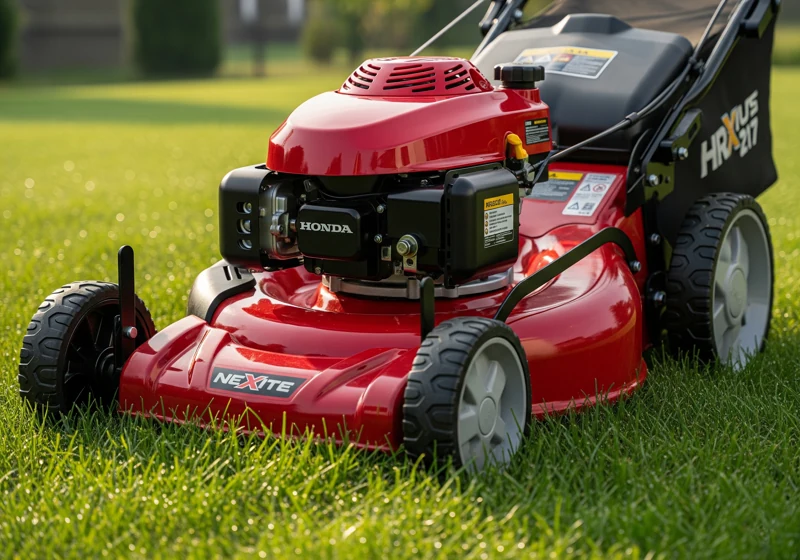
I’m just gonna say it straight up – Honda makes the best small engines, period. I know, I know, you can get three other mowers for the price of one Honda. Trust me, I’ve done the math.
But here’s what happened to me: Back in 2015, I bought two mowers on the same day. One Honda HRX217 for $650, and one “comparable” model from another brand for $350. Guess which one is still running today?
The Honda. The other one needed a new carburetor after 18 months, then the drive cable snapped, and then the deck cracked. I probably spent $400 trying to keep it alive before I finally gave up and used it for parts.
What I like about Honda:
- That GCV190 engine starts every single time (seriously, I’ve never had one not start)
- The NeXite deck doesn’t rust, which is huge here in Ohio, where it’s wet half the year
- Parts are expensive, but you rarely need them
What drives me crazy:
- Did I mention they’re expensive? Because they are
- The mulching plug is this weird plastic thing that falls out if you look at it wrong
- Honda dealers act like they’re selling luxury cars instead of lawn mowers
Toro – The Brand That Gets It
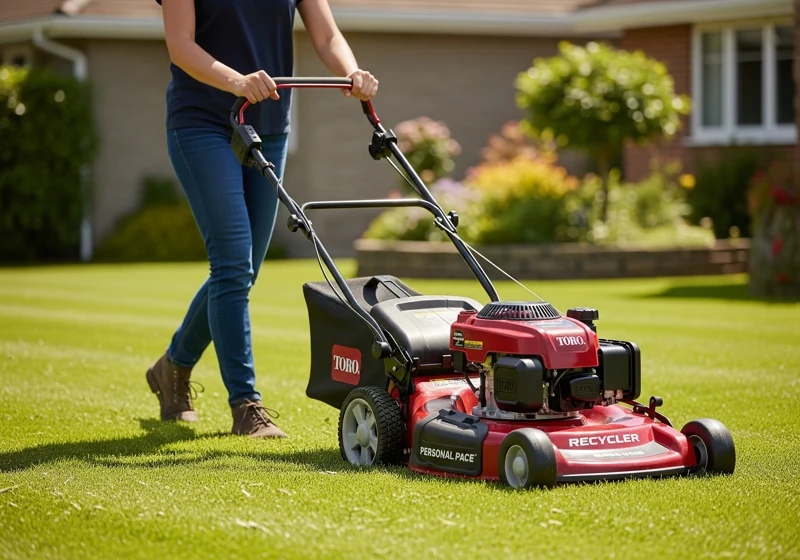
Toro’s my go-to recommendation for most people, and here’s why: they seem to think about how real people use mowers.
Take their Personal Pace system. The first time I tried it, I thought it was just marketing nonsense. But after using one for a season, I realized it’s brilliant. The mower speeds up when you speed up, slows down when you slow down. No more jerky starts and stops, no more getting dragged around corners.
I’ve got a Toro Recycler that’s going on seven years now. Changed the oil maybe ten times, replaced the spark plug twice, and that’s it. Still cuts like new.
The good stuff:
- Personal Pace works (once you stop overthinking it)
- Three-year warranty shows they believe in their product
- Parts are reasonable and easy to find
- Customer service doesn’t make you feel stupid for calling
The not-so-good:
- Some models use Briggs engines instead of their own, and those can be hit-or-miss
- The handle adjustment mechanism breaks if you’re rough with it (learned this one personally). The bag fills up fast when mulching wet grass
John Deere – More Than Just Green Paint
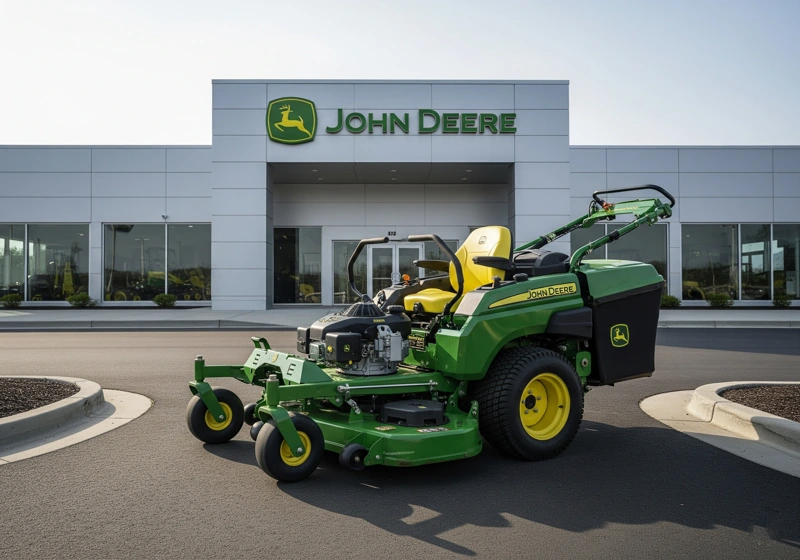
I’ll be honest, I used to think John Deere residential mowers were overpriced because of the name. And for some models, that’s probably still true. But they’ve gotten a lot better in the past few years.
My brother-in-law bought an E130 riding mower three years ago, and it’s been solid. Starts easily, cuts evenly, and hasn’t given him any major problems. Plus, and this is important, where we live, there are John Deere dealers everywhere. When something breaks (and something always breaks eventually), you can get it fixed locally.
Why they’re worth considering:
- Dealer network is everywhere, especially in smaller towns
- Build quality has improved significantly since 2020
- Edge edge-cutting system does give cleaner edges
- Resale value stays decent
Where they fall short:
- You’re paying extra for that green and yellow
- Some of their “features” feel gimmicky rather than useful
- Entry-level models are just okay, nothing special
The Brands I’m Cautiously Optimistic About
Craftsman – The Comeback Kids
Craftsman almost lost me completely during their Sears years. I bought a Craftsman mower in 2016 that was absolute garbage. Plastic wheels, thin deck, engine that ran rough from day one.
But since Stanley Black & Decker took over, they’ve improved dramatically. I tested their M275 last season, and honestly? It’s a solid mower for the money. Nothing fancy, but it does what it’s supposed to do without drama.
What’s improved:
- Build quality is way better than the Sears era
- Two-year warranty (finally)
- Parts availability through Lowe’s and online
- Reasonable price for what you get
Still needs work:
- Engine options are limited to basic Briggs units
- The deck could be a little thicker
- The handle feels cheap compared to premium brands
Husqvarna – Different, But Maybe Better?
Husqvarna does things differently, and sometimes that works out great. Their front-wheel drive mowers confused the heck out of me at first – I’m used to rear-wheel drive pulling me forward. But after using one for a few weeks, I preferred it for hills and tight spaces.
They also use Honda engines in some of their models, which tells me they care more about performance than brand loyalty. That’s refreshing.
What sets them apart:
- Front-wheel drive makes sense once you try it
- Good cut quality, especially for mulching
- Orange color scheme stands out (love it or hate it)
- Generally solid construction
Potential issues:
- Parts can be hard to find locally
- Some dealers don’t know the brand well
- Premium models get expensive quickly
Cub Cadet – Feature Overload
Cub Cadet puts more gadgets on their mowers than anyone else. Zero-turn steering on a walk-behind? Sure, why not? IntelliPower engine management? They’ve got it.
Sometimes it feels like too much. I mean, do I need a mower that monitors its engine load and adjusts accordingly? Maybe. But I also know that more complexity usually means more things that can break.
That said, when their features work, they work well. The zero-turn steering is pretty slick once you get used to it.
The Budget Reality Check
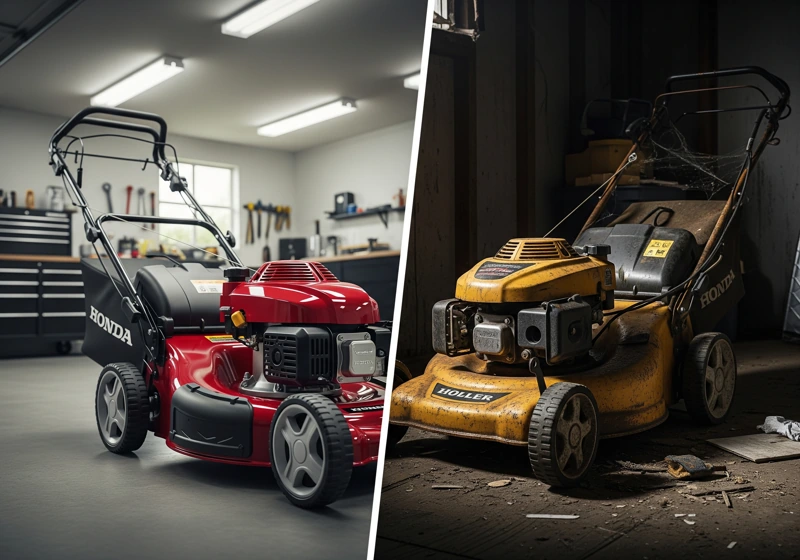
Let me save you some pain here: those $250 mowers at Walmart? They’re not mowers, they’re lawn ornaments that occasionally cut grass.
I’m not trying to be a snob about this. I get that not everyone can drop $600 on a mower. But I’ve seen too many people buy cheap mowers, get frustrated when they don’t work right, and end up spending more money replacing them than they would have spent buying a decent one in the first place.
If budget is tight, here’s what I’d do:
- Look for last year’s models on clearance (saved $150 this way myself)
- Check Facebook Marketplace for well-maintained used mowers
- Consider a basic Toro or Craftsman over unknown brands
- Skip the fancy features and focus on reliable basics
What Matters (Spoiler: It’s Not What You Think)
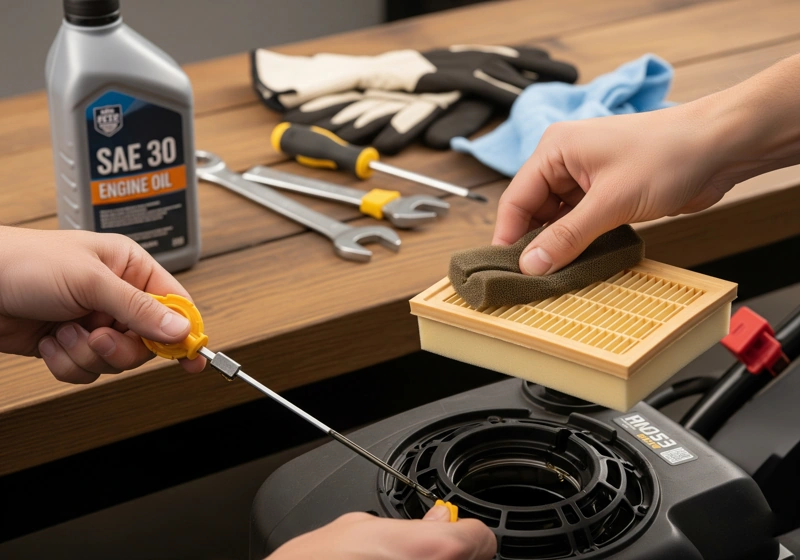
After all these years, I’ve learned that brand matters less than you’d expect. Don’t get me wrong – it matters. But maintenance matters more.
I’ve seen $200 Murray mowers run for ten years because the owner took care of them. I’ve also seen $800 Honda mowers die early deaths because they never got an oil change.
The stuff that keeps mowers alive:
- Change the oil every 50 hours (or once a season for most people)
- Keep the air filter clean (check it monthly during mowing season)
- Sharpen the blade at least once a year
- Don’t store it with old gas in the tank
Learn the complete winterization process in my detailed guide. - Read the manual (I know, I know, but do it anyway)
My Honest Recommendations
If you twisted my arm and made me pick one mower for different situations, here’s what I’d tell you:
For most people: Toro Recycler with Personal Pace. Best balance of price, features, and reliability.
If money’s tight: Craftsman M275. It’s not exciting, but it’ll do the job without breaking your budget or your back.
If you want the absolute best: Honda HRX217. Expensive up front, but you’ll probably give it to your kids someday.
For big yards: Toro TimeMaster, or start looking at riding mowers. Your back will thank you.
If you like gadgets, the Cub Cadet SC 500 Z. Just be prepared to read the manual.
The Bottom Line (Finally)
Look, at the end of the day, the best mower brand is the one that fits your budget, your lawn, and your willingness to maintain it. Honda builds tanks, but they cost like tanks. Toro gives you the most bang for your buck. John Deere has dealers everywhere. Craftsman is decent and affordable.
But here’s what I want you to remember: any decent mower will last years if you take care of it. Change the oil, keep it clean, and don’t hit rocks with the blade. Do that, and you’ll be happy with whatever brand you choose.
And if all else fails, find a neighbor like me who enjoys talking about mowers way too much. We’re always happy to help – just don’t blame us when you end up spending more than you planned because we convinced you to get the “good one.”
Trust me, your Saturday mornings will be a lot more peaceful when your mower starts on the first pull every time. That’s worth a few extra bucks, isn’t it?
There’s no single “best” company since it depends on your needs and budget. From my 15 years of experience, Honda makes the most reliable engines, Toro offers the best value with innovative features like Personal Pace, and John Deere has excellent dealer support. For most homeowners, I recommend Toro for the best balance of price, features, and reliability.
A good gas lawn mower should have a reliable engine (Honda GCV or quality Briggs & Stratton), at least 14-gauge steel deck construction, and a self-propelled drive for anything over a quarter-acre. My top picks are the Honda HRX217 for maximum reliability, the Toro Recycler with Personal Pace for best value, and the Craftsman M275 for budget-conscious buyers.
With proper maintenance, a quality gas mower should last 10-15 years for residential use. I’ve got a Honda from 2008 that still runs like new. Budget mowers typically last 5-7 years. The key is regular oil changes every 50 hours, keeping the air filter clean, and annual blade sharpening. Brand matters, but maintenance matters more.
Yes, several brands still manufacture in the USA. Toro makes many models in Minnesota, some John Deere residential mowers are made in North Carolina, and Scag builds commercial mowers in Wisconsin. However, many “American” brands now use overseas manufacturing. Always check the specific model if “Made in USA” is important to you.
Gas mowers need oil changes every 50 hours or annually, whichever comes first. Clean or replace the air filter monthly during mowing season, replace the spark plug annually, and sharpen the blade at least once per year. Don’t store with old gas – either run it dry or use fuel stabilizer. These simple steps will keep any decent mower running for years.
