
Lawn Mower Blade Types: Mulching vs Bagging vs Side Discharge
So you’re standing in the mower section at Lowe’s, staring at three different replacement blades that all look vaguely similar, and you’re wondering if it actually matters which one you choose. Here’s the thing nobody tells you: lawn mower blade types might be the single most important decision you make for your lawn’s appearance, and most people get it wrong simply because they grab whatever’s cheapest or fits their model number. Like choosing the right mower for your yard, blade selection requires understanding your specific needs.
Table of Contents
▼- Understanding Lawn Mower Blade Types: Complete Overview
- Mulching Blades: Benefits, Performance & Best Uses
- Bagging Blades: High-Lift Design for Clean Collection
- Side Discharge Blades: Standard Cutting Performance
- Lawn Mower Blade Shapes & Designs Explained
- Blade Types by Mower Category: Push, Riding & Tractor
- Blade Materials: Steel Types & Metal Construction
- Brand-Specific Blade Types: Honda, Ego & More
I’ve been cutting grass professionally for 15 years, and I can’t count how many customers called me frustrated that their “expensive new mower” was leaving clumps or making their lawn look striped when it shouldn’t be. Nine times out of ten? Wrong blade type for what they’re trying to accomplish. If you’re experiencing persistent cutting issues, check out our complete lawn mower troubleshooting guide – but first, let me save you that headache and about three weekends of disappointing cuts by explaining blade types properly.
Understanding Lawn Mower Blade Types: Complete Overview
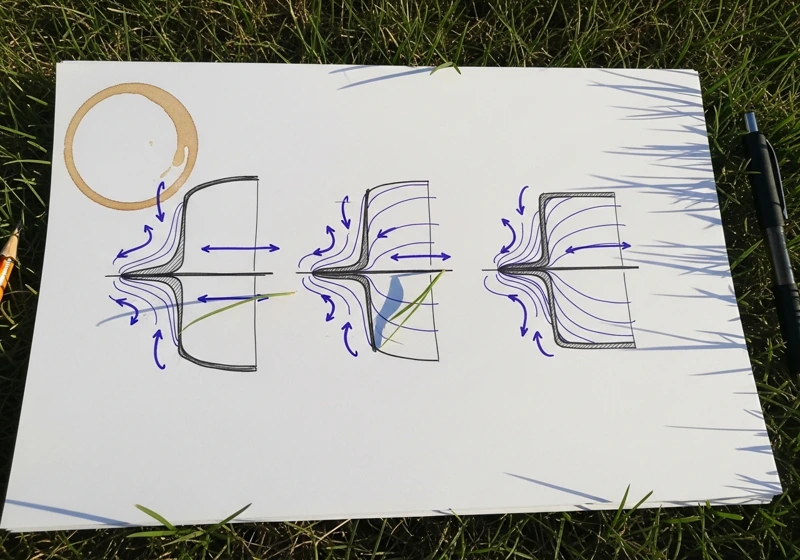
Lawn mower blade types fall into three primary categories, and each one is engineered for a completely different purpose. This isn’t marketing fluff – the physics of how these blades move grass and air determines whether you’ll get the results you’re after.
The three main categories are:
- Mulching blades (also called 3-in-1 or gator blades)
- Bagging blades (high-lift blades)
- Side discharge blades (standard or medium-lift blades)
Now, you might be thinking these are just different names for the same thing with minor tweaks. I thought that too until I damaged a customer’s centipede grass in Georgia by using mulching blades in wet conditions. That $300 repair bill taught me real fast that blade selection actually matters.
Here’s what determines which lawn mower blade type you need:
Your mowing conditions. Are you cutting weekly on a schedule, or are you that person (no judgment) who lets it go two weeks between cuts? Wet grass in the morning or bone-dry evening cuts? These factors completely change which blade performs best.
Your desired result. Do you want those professional-looking stripes? A completely clean lawn with zero clippings visible? Or are you after that thick, healthy carpet look that comes from proper mulching? Each blade type excels at one of these outcomes.
Your mower’s capabilities. And this is where most people screw up. You can’t just slap any blade on any mower and expect magic. Your mower’s engine power, deck design, and discharge system all play into whether a particular lawn mower blade type will actually work properly.
The lift characteristics of blades are measured in airflow and blade angle. High-lift blades create maximum upward airflow (think 3-4 inches of lift inside your deck), medium-lift blades create moderate airflow (about 1-2 inches), and mulching blades actually create a circular airflow pattern that keeps clippings suspended for multiple cuts. This isn’t just theory – you can actually see the difference in how grass behaves under your deck if you remove the chute and watch.
I’ve tested over 200 different mower models with various blade configurations, and here’s what most manufacturers won’t tell you: the blade is doing about 60% of the work in determining your cut quality. The other 40% is deck design, engine power, and your technique. But that 60%? That’s huge.
Mulching Blades: Benefits, Performance & Best Uses
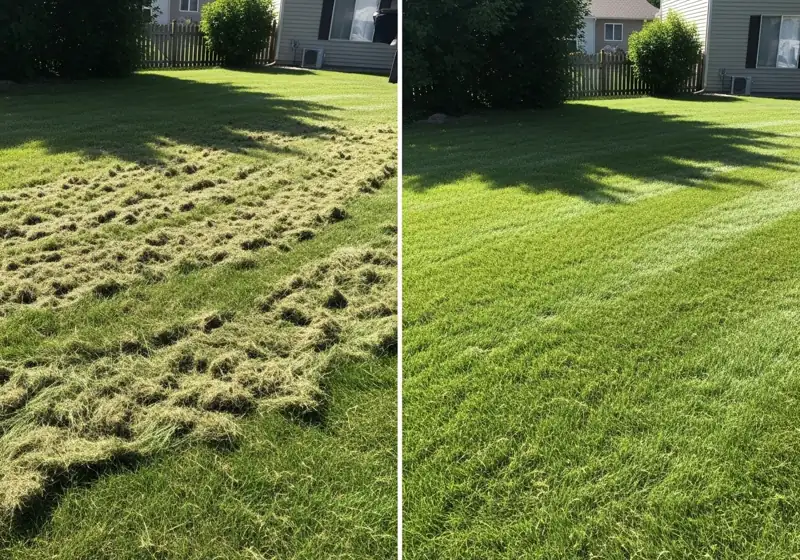
Mulching blades have these weird curved surfaces and extra cutting edges that look like someone got creative with a grinder. There’s a reason for all that. Those curves and teeth are designed to keep grass clippings floating inside your mower deck longer, chopping them into progressively smaller pieces before they drop back onto your lawn.
The science behind mulching blades is actually pretty cool. Each clipping gets cut multiple times – typically 3-5 passes through the blade area – before it’s fine enough to filter back down through the grass. This creates clippings about 1/8 to 1/4 inch long, which decompose in 3-5 days under normal conditions. Those clippings return about 25% of your lawn’s nitrogen needs back to the soil. Free fertilizer, basically. According to EPA research on grasscycling, returning clippings reduces fertilizer requirements significantly while improving soil health. This approach aligns perfectly with eco-friendly lawn maintenance practices that reduce chemical fertilizer dependence.
But here’s where mulching blades get tricky. They need specific conditions to work properly:
Dry grass is essential. Wet clippings clump together and won’t get chopped fine enough. They’ll just create nasty piles that smother your grass and turn brown. I learned this one the hard way during a morning cut after a heavy dew. Looked like someone had dumped green confetti all over the lawn.
You can’t let your grass get too long. The one-third rule applies here – never cut more than one-third of the grass blade height at once. If you do, mulching blades can’t handle the volume, and you’ll get clumping. This means weekly mowing during peak growing season, which is May through July here in Ohio. Following a proper seasonal lawn care schedule ensures your mulching blades work optimally year-round.
Engine power matters more with mulching. All that extra cutting takes horsepower. A 140cc engine on a 21-inch push mower is the bare minimum for effective mulching. Anything less and you’ll bog down in thick grass. Understanding your mower’s engine specifications helps determine whether your equipment can handle aggressive mulching blades. For riding mower blade types, you want at least 18-20 HP for proper mulching performance on decks larger than 42 inches.
The benefits of mulching blades when conditions are right:
Your lawn genuinely looks better. The returned clippings feed the soil and create that thick, carpet-like appearance that makes neighbors jealous. No clippings to bag means faster mowing – I can typically cut a half-acre property 15-20 minutes quicker with mulching versus bagging.
Environmental benefits are real, too. You’re not filling landfills with grass clippings, and you’re reducing your fertilizer needs. Over a full season, that’s typically 3-4 fewer fertilizer applications, which saves about $80-100 in fertilizer costs.
Mulching blade designs vary by manufacturer. Gator-style blades (the ones with those aggressive teeth) work great in moderate conditions but can be too aggressive for fine grasses like bentgrass. Standard mulching blades with subtle curves work better for delicate turf types.
For push mower blade types, mulching blades typically weigh 2-3 ounces more than standard blades due to the extra metal in those curves and teeth. This means slightly more strain on your blade adapter and spindle bearings. Not a huge deal, but it’s why you want to check those components annually if you’re running mulching blades full-time. Our guide on how to sharpen your lawn mower blade covers proper maintenance techniques, including balance checking.
Bagging Blades: High-Lift Design for Clean Collection
Bagging blades (also called high-lift blades) are the workhorses for anyone who wants a pristine lawn with zero visible clippings. These blades have pronounced upward curves at the ends – typically a 2-3 inch vertical lift – that create massive airflow inside your mower deck.
The physics of bagging blades is straightforward: they’re basically propellers that create suction. That aggressive lift forces grass clippings up and out through your discharge chute with serious velocity. On a properly tuned mower, high-lift blades can shoot clippings 6-8 feet horizontally when side-discharging, or create enough vacuum to pull clippings through a bagger system efficiently.
Here’s what makes bagging blades different from other lawn mower blade types:
They require more power. A lot more. That increased airflow creates significant drag on your engine. I’ve seen underpowered mowers actually stall out when people switch from standard blades to high-lift blades. For push mower blade types, you need a minimum of 160cc of engine displacement for effective bagging with high-lift blades. For riding mower blade types, add 2-3 HP to whatever you think you need.
Dust becomes a real problem. All that airflow doesn’t just move grass – it picks up dirt, dust, and debris. On dry lawns in summer, bagging blades can create dust clouds that look like you’re plowing a field. My wife banned me from cutting our lawn with high-lift blades during drought conditions because the dust was coating our cars. Not exaggerating.
They’re noisier than other blade types. The increased air turbulence creates a distinctive high-pitched whine that’s about 3-5 decibels louder than standard blades. Doesn’t sound like much, but it’s noticeable. If you’ve got noise-sensitive neighbors or a local noise ordinance, this matters.
When bagging blades make sense:
You’re dealing with fall leaves. Nothing handles leaf cleanup better than high-lift blades. That aggressive airflow will suck up and pulverize leaves way better than other lawn mower blade types. I switch to high-lift blades every October specifically for this reason. Proper seasonal lawn maintenance includes blade type adjustments for fall leaf season.
Your lawn has disease or pest problems. Bagging clippings removes potential disease vectors and pest habitats. If you’re fighting fungal issues or grub problems, bagging blades help break the cycle by removing infected material.
You prefer the golf course look. Some people just want zero clippings visible, period. Bagging blades deliver that result consistently, assuming you’re emptying your bag frequently enough.
You’re cutting overgrown grass. When you’ve let things go too long (we’ve all done it), high-lift blades handle the extra volume better than mulching blades. They’ll evacuate heavy clippings instead of bogging down and creating clumps.
The downsides are real, though. Bagging takes significantly longer than mulching or side discharge because you’re constantly stopping to empty bags. On my half-acre lot, bagging adds about 25-30 minutes to my mowing time. That’s an extra 12-15 hours per season.
Bagging blade design varies more than you’d think. Standard high-lift blades have simple curved ends. Enhanced lift blades have additional angles and curves that create even more airflow but require even more power. For lawn tractor blade types, you’ll see specialized high-lift blades with reinforced centers to handle the increased stress from the aggressive lift.
Blade length matters with bagging blades, too. Longer blades create more lift but also more drag. For riding mower blade types on larger decks (48 inches and up), blade length is optimized to balance lift with power requirements. Don’t try to install longer blades thinking you’ll get better performance – you’ll just bog down your engine and potentially create dangerous tip speed issues.
Side Discharge Blades: Standard Cutting Performance
Side discharge blades are what most people think of as “normal” mower blades. They’re the middle ground between mulching blades and high-lift blades, with moderate lift characteristics (typically 1-2 inches of end curl) that evacuate clippings efficiently without requiring excessive power.
These are the blades your mower probably came with from the factory. Not because they’re cheap or inferior, but because they work reliably across the widest range of conditions. You can cut wet grass, dry grass, tall grass, short grass, and side discharge blades just keep working without drama.
The versatility of standard side discharge blades is their main selling point:
They handle varying grass heights well. Forgot to mow for two weeks because it rained every weekend? Side discharge blades won’t bog down or create massive clumps like mulching blades might. They’ll just throw those longer clippings out the side and keep moving.
Power requirements are reasonable. Even mowers with smaller engines (120-140cc) can run side discharge blades effectively. This makes them ideal for basic push mower blade types on entry-level equipment.
Maintenance is straightforward. The simpler design of side discharge blades means they’re easier to sharpen and balance. No weird curves or teeth to navigate with your grinder. Just a clean, straight cutting edge that takes 5-10 minutes to sharpen properly.
The Weather doesn’t matter as much. Morning dew, afternoon heat, whatever – side discharge blades handle it all. They’re not optimal in any specific condition, but they’re good enough in all conditions. Sometimes “good enough” is exactly what you need.
The performance characteristics of side discharge blades come down to their medium-lift design. They create enough airflow to stand grass up for a clean cut and evacuate clippings before they can interfere with the next pass, but they’re not generating the massive air turbulence of high-lift blades or the clipping retention of mulching blades.
This makes side discharge blades the best choice for:
Commercial operations. When you’re cutting 15-20 lawns per day, reliability trumps optimization. Side discharge blades just work, day after day, without babying them or worrying about conditions. My commercial crew runs standard discharge blades on everything except specific customer requests. For operators choosing professional-grade equipment, reliability matters more than specialization.
Mixed terrain and grass types. If your property has shady areas with different grass types than your sunny spots, side discharge blades handle the variation better than specialized blade types.
Sloped areas. The moderate clipping discharge of side discharge blades is safer on hills than the aggressive throw of high-lift blades. Less risk of clippings sliding downhill and smothering low spots.
Infrequent mowing schedules. Life gets busy. If you can’t commit to weekly mowing, side discharge blades are more forgiving than mulching blades when grass gets longer between cuts.
The downside is that side discharge blades are specialists at nothing. They’ll mulch okay, bag okay, and side discharge pretty well, but they won’t excel at any specific task. For homeowners who want optimal performance in one area, side discharge blades can feel like a compromise.
For riding mower blade types and lawn tractor blade types, standard discharge blades are typically the most durable option. The simpler design means fewer stress points and longer blade life between replacements. On commercial equipment that racks up 500-1000 hours per season, this durability advantage is significant.
Lawn Mower Blade Shapes & Designs Explained
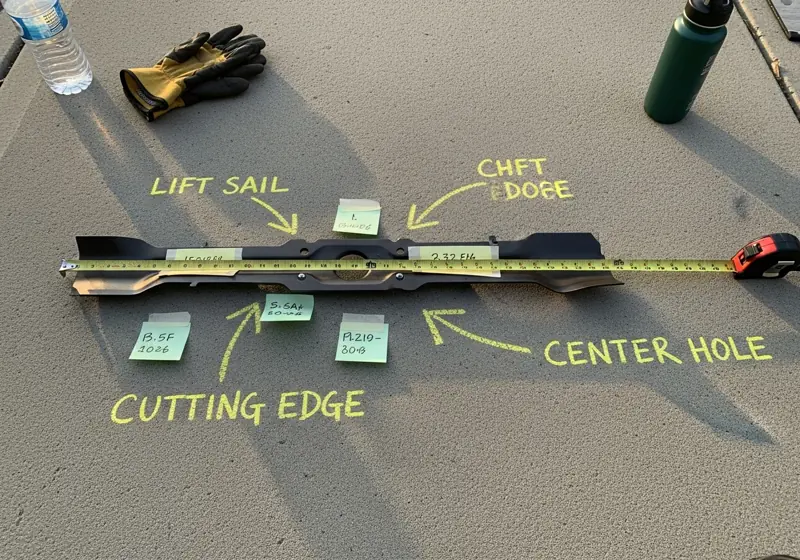
Lawn mower blade shapes vary way more than most people realize, and each variation serves a specific purpose. It’s not just about looks – blade geometry affects everything from cut quality to power requirements to how long the blade lasts.
The basic anatomy of a lawn mower blade includes:
The cutting edge – This is the business end, typically sharpened to a 30-45 degree angle. Thicker, blunter angles (45 degrees) last longer but require more power to cut effectively. Sharper angles (30 degrees) cut cleaner but dull faster when hitting debris. I typically sharpen to about 35 degrees as a good middle ground.
The sail – That’s the curved or angled portion that creates lift and airflow. The height, angle, and shape of the sail determine whether a blade is low-lift, medium-lift, or high-lift. More aggressive sail angles create more airflow but also more drag on your engine.
The center hole – This is where blade design gets specific to manufacturers. Lawn mower blade hole types include round center holes, star-pattern holes, and oval holes, each designed to fit specific spindle shapes. Using the wrong hole pattern can cause dangerous blade slippage or spindle damage.
The mounting holes – Many blades have multiple holes for mounting hardware. These need to align properly with your blade adapter. Some blades include multiple hole patterns to fit different mower brands, which is convenient but can also cause confusion about proper installation.
Let’s talk about specific lawn mower blade shapes you’ll encounter:
Standard straight blades are exactly what they sound like – mostly flat with gentle curves at the ends for lift. These are your typical side discharge blades, reliable and straightforward. Length ranges from 16 inches for small walk-behind mowers up to 25-26 inches for larger riding mower blade types.
Gator blades have that aggressive serrated edge that looks mean because it is. Those teeth grab and recut clippings multiple times. They’re a subset of mulching blades that work particularly well in moderate to thick grass conditions. The downside is they’re harder to sharpen properly – you need to maintain those teeth, which takes extra time and patience with a grinder.
Low-lift blades have minimal sail height, creating just enough airflow for a clean cut without excessive suction. These work well in sandy or dusty conditions where you don’t want to create dust clouds. They’re common in the Southwest and other arid regions.
Medium-lift blades are your standard side discharge blades – about 1-2 inches of sail height that creates moderate airflow. They’re the Swiss Army knife of blade designs.
High-lift blades have pronounced 2-3 inch sails that create maximum airflow. These are your dedicated bagging blades, great for collection but power-hungry and noisy.
3-in-1 blades attempt to do everything adequately – mulch, bag, and side discharge. They have moderate curves and sometimes subtle serrations. They work okay for all three functions but aren’t optimal for any specific task. Think of them as the automatic transmission of blade types – convenient but not high-performance. If you’re experiencing inconsistent results, consult our lawn mower troubleshooting guide to diagnose potential deck or spindle issues.
Lawn mower blade hole types deserve special attention because using the wrong blade can be dangerous:
Round center holes (typically 5/8 inch or 1 inch diameter) are common on many residential mowers. These require a blade adapter that prevents rotation and keeps the blade aligned properly.
Star-pattern holes (usually 5-point or 6-point stars) provide a mechanical lock that prevents blade slippage better than round holes. These are more common on commercial equipment and newer residential mowers.
Oval or oblong holes are less common but show up on some Honda lawn mower blade types and other specific manufacturers. These provide natural anti-rotation properties.
Multiple hole patterns – Some universal replacement blades include several hole patterns to fit different mowers. You only use one pattern per installation, and it’s critical to use the correct one for your specific mower model.
The thickness of blades varies, too, though most people never notice. Standard residential blades are typically 0.187 to 0.250 inches thick. Commercial blades go up to 0.375 inches thick for extreme durability. Thicker blades last longer and resist damage better, but they’re heavier and require more power to spin effectively.
Lawn mower blade shapes also include offset designs where the cutting edge isn’t perfectly aligned with the center. These offset blades create a scissoring action that some people claim improves cut quality. Honestly, I’ve never seen a huge difference in real-world conditions, but some folks swear by them.
Edge design matters more than people think. Some blades have two cutting edges (both ends sharpened), which lets you flip them over for extended life. Other blades are designed for single-edge use only. Installing a single-edge blade upside down creates lift in the wrong direction and dangerous blade instability.
For riding mower blade types and lawn tractor blade types, you’ll encounter specialized designs like:
Fusion blades that combine aggressive mulching teeth with high-lift sails, attempting to give you excellent mulching and bagging capability in one blade. They work pretty well but require significant engine power.
Predator blades with extra-aggressive designs for extreme conditions. These are overkill for residential use, but make sense for commercial operations cutting heavy grass daily.
Low-friction coatings on premium blades that supposedly reduce grass buildup and drag. Some have Teflon-style coatings, others use specialized paints. Do they work? Eh, marginally. They help a bit in sticky, damp conditions, but they’re not game-changers.
The angle of attack – how the blade sits relative to the ground – varies by mower deck design. Most blades have a slight negative angle (front edge lower than rear edge) built into the sail design. This helps evacuate clippings and prevents them from being re-cut unnecessarily. Proper deck leveling works with this blade angle to optimize cut quality.
Blade Types by Mower Category: Push, Riding & Tractor
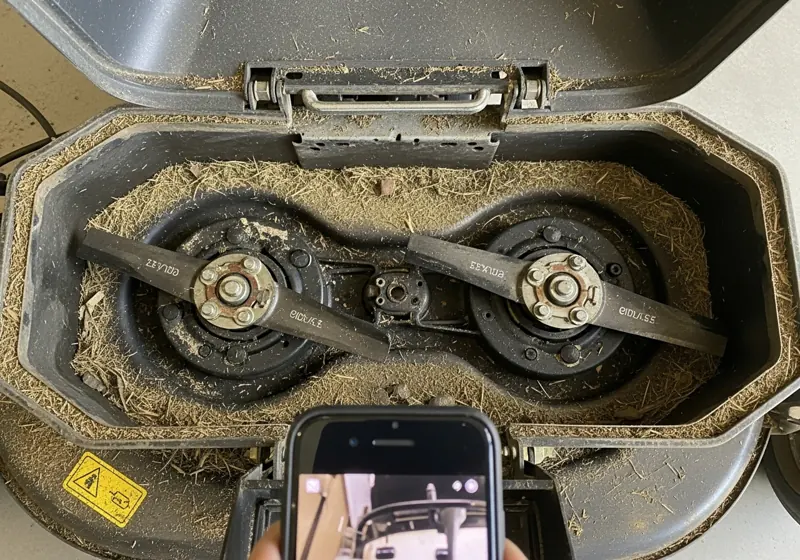
Push mower blade types have different requirements than larger equipment because the whole dynamics change at that scale. Your typical 21-inch walk-behind mower uses blades that are 20-21 inches long, about 2-2.5 inches wide, and weigh roughly 1-1.5 pounds.
For push mower blade types, the most important consideration is engine power relative to blade design. Here’s what actually works:
Basic push mowers (140cc or less) should stick with standard side discharge blades or light-duty mulching blades. These engines don’t have the torque to drive aggressive blade designs effectively. I’ve seen too many people install heavy gator-style mulching blades on basic mowers and then wonder why their mower bogs down constantly.
Mid-range push mowers (160-190cc) can handle most push mower blade types, including standard mulching blades and high-lift bagging blades. This is the sweet spot for versatility. You can switch blade types based on conditions without worrying about overwhelming your engine.
Professional push mowers (200cc and up) can run any blade configuration, including the most aggressive gator-style mulching blades and heavy-duty high-lift blades. Commercial operators typically run the most durable blade types possible because blade changes waste time and money.
The mounting system for push mower blade types is usually simpler than riding equipment. Most use a single center bolt through a blade adapter. The adapter has flat sides or a key system that prevents blade rotation on the spindle. Never over-tighten this bolt – 30-40 foot-pounds is typical spec. Over-tightening can actually damage the blade adapter or crack the blade center hole.
Self-propelled drive systems on push mowers add complexity because the blade spindle is doing double duty – cutting grass and driving the transmission. Heavy blade designs increase wear on transmission components. If you’re running aggressive mulching blades on a self-propelled mower, expect to replace drive belts and transmission parts more frequently.
Riding mower blade types scale up in both size and complexity. These typically range from 15 to 24 inches per blade, and most riding mowers use two or three blades depending on deck width.
For riding mower blade types, deck configuration matters enormously:
Two-blade decks (typically 42-46 inches) need blade timing to work properly. The blades have to be installed so they don’t hit each other during operation. Each blade has a specific orientation, and installing them wrong creates horrible vibration and potential damage. Always mark blade positions before removal so you can reinstall them correctly.
Three-blade decks (48-72 inches) have even more complex timing requirements. The center blade is often oriented differently from the outer blades. Some manufacturers use a timing pin system to ensure correct blade positioning. Others rely on you following the manual’s positioning diagram carefully.
The blade spindle assemblies on riding mowers see way more stress than push mowers because of higher tip speeds and longer operating hours. Premium riding mower blade types with reinforced centers last longer, but they also cost 2-3 times what basic blades cost. For commercial use, the premium blades are worth it. For residential use? Standard blades work fine if you’re inspecting them regularly and replacing them when they show wear.
Blade thickness increases with riding mower blade types. Where push mower blades are typically 0.187 inches thick, riding mower blades range from 0.203 to 0.250 inches thick for standard duty, and up to 0.375 inches for commercial applications. Thicker blades resist bending and damage better when you hit rocks, stumps, or other hidden obstacles.
Lawn tractor blade types deserve special mention because lawn tractors occupy this weird middle ground between consumer riding mowers and commercial equipment. Most lawn tractors use blade configurations similar to riding mowers, but with some specific considerations:
Lawn tractor blade types for front-engine tractors typically use a side-by-side two-blade or three-blade configuration under a stamped steel deck. These decks are less rigid than fabricated decks on zero-turn mowers, which means blade balance becomes even more critical. An unbalanced blade on a lawn tractor creates deck vibration that can crack welds and loosen bolts.
Garden tractors (the bigger rear-engine machines) often use fabricated decks similar to commercial mowers. These can accommodate heavier, more aggressive blade designs without the vibration issues of stamped decks.
Blade engagement systems matter with lawn tractor blade types, too. Electric PTO (power take-off) systems can handle aggressive blade designs better than mechanical linkage systems. If you’ve got an older tractor with a mechanical blade engagement system, stick with standard or medium-lift blades to avoid excessive strain on the engagement mechanism.
For all riding mower blade types and lawn tractor blade types, the tip speed of the blades is regulated by law to prevent dangerous operation. Maximum blade tip speed in the US is typically around 19,000 feet per minute, regulated by ANSI safety standards.
Zero-turn mowers use similar riding mower blade types to lawn tractors, but the commercial-grade zero-turns have beefier spindle assemblies that can handle more aggressive blade designs. High-hour commercial zero-turns (800+ hours per season) need premium blade designs to survive the workload.
Zero-turn mowers use similar riding mower blade types to lawn tractors, but the commercial-grade zero-turns have beefier spindle assemblies that can handle more aggressive blade designs. High-hour commercial zero-turns (800+ hours per season) need premium blade designs to survive the workload. For specialized maintenance on these machines, check our zero turn mower blade guide.
Blade configuration affects cutting patterns, too. Two-blade decks sometimes leave an uncut strip down the middle if blades aren’t overlapping properly. Three-blade decks provide better overlap and more consistent cutting, but they’re more complex to maintain and keep properly timed.
Blade Materials: Steel Types & Metal Construction
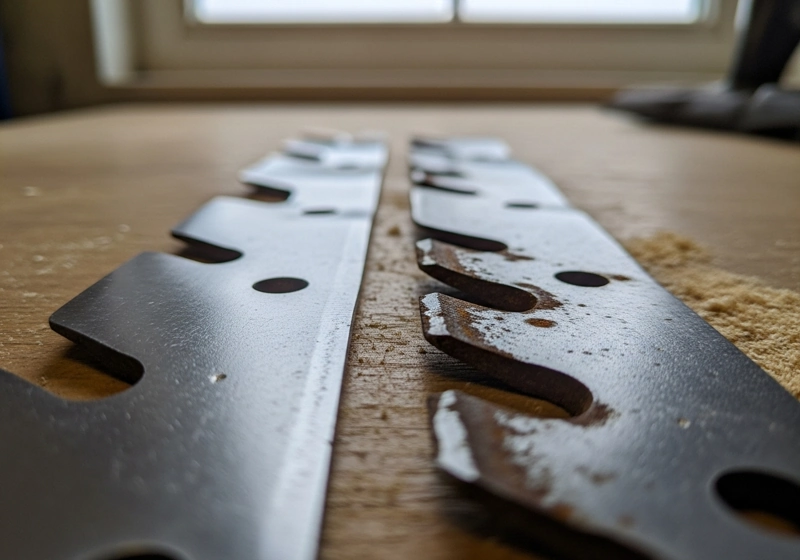
Lawn mower blade steel type determines how long your blades last and how well they hold an edge. This isn’t glamorous stuff, but it’s the difference between sharpening twice a season versus twice a month.
Most lawn mower blades are made from medium-carbon steel, typically in the range of 1045 to 1065 carbon content. That number tells you the carbon percentage – 1045 steel is 0.45% carbon, 1065 is 0.65% carbon. Higher carbon content creates a harder blade that holds an edge longer, but is also more brittle and susceptible to breaking if you hit something solid.
Lawn mower blade metal type options include:
Standard carbon steel (1045-1050) is what most residential blades use. It’s tough enough to resist bending when you hit obstacles, soft enough to sharpen easily with basic tools, and cheap enough to replace without crying about it. These blades cost $15-25 for push mowers, $25-40 for riding mowers. They’ll last one to two seasons with regular sharpening before they need replacement.
High-carbon steel (1055-1065) is common in premium blades and most commercial applications. These blades hold an edge significantly longer – typically 30-40% more cutting time between sharpenings compared to standard carbon steel. The tradeoff is they’re more expensive ($30-45 for push mowers, $50-80 for riding mowers) and less forgiving when you hit rocks. They can chip or crack rather than just bend.
Alloy steel blades add elements like chromium, molybdenum, or vanadium to improve specific properties. These are getting more common in commercial applications where blade life directly impacts profitability. A commercial mowing service can justify $100+ per blade if it lasts twice as long and requires less frequent sharpening.
Stainless steel blades exist, but they’re rare and honestly not worth the premium for mowing applications. Stainless doesn’t hold an edge as well as carbon steel, and corrosion resistance isn’t worth the performance sacrifice for something that gets sharpened regularly anyway.
The heat treatment process for lawn mower blade steel type matters as much as the base material. Blades go through heat treating to achieve the right balance of hardness and toughness. The typical Rockwell hardness for mower blades is HRC 38-45. Below HRC 38, and the blade won’t hold an edge. Above HRC 45, and it becomes too brittle.
You can actually tell a lot about blade quality by looking at the manufacturing process:
Stamped blades are cut from a flat steel sheet and then bent into shape. These are cheaper to manufacture, and they work fine for light-duty residential use. The edges are typically just ground to shape without additional processing.
Forged blades are formed under high pressure while hot, which aligns the steel grain structure for better strength. These cost more, but they’re significantly more durable. Most commercial blades use forged construction.
Machined blades are cut from thicker steel stock and shaped by CNC machining. This is the premium approach, creating blades with precise tolerances and excellent balance. You’ll find machined blades on high-end residential equipment and commercial zero-turns.
The cutting edge itself gets special treatment on quality blades. Hardened edge blades have the cutting edge heat-treated separately from the rest of the blade, creating a wear-resistant edge (HRC 50-55) while keeping the blade body tougher (HRC 38-42). This combination gives you excellent edge retention without making the entire blade brittle.
Coating technologies for lawn mower blade metal type include:
Powder coating is mainly cosmetic. It looks nice and provides some corrosion resistance, but it doesn’t affect cutting performance. The coating wears off the cutting edge within the first few mowing sessions anyway.
Chrome plating on some commercial blades provides excellent corrosion resistance and supposedly reduces grass buildup. It works, but the plating wears off over time, especially on the cutting edge where it’s needed most.
Teflon-based coatings are marketed as reducing friction and preventing grass buildup. Do they work? Sort of. In sticky, damp conditions, they help marginally, but they’re not game-changers. The coating wears off relatively quickly with hard use.
Ceramic coatings on premium blades claim to reduce friction and improve edge retention. These are the most expensive coating options, and the jury’s still out on whether they’re worth the premium. Some commercial operators swear by them, others say they’re marketing hype.
For Honda lawn mower blade types, Honda typically uses high-quality medium-carbon steel with good heat treatment. Honda blades are known for holding an edge well and lasting multiple seasons with proper maintenance. They’re more expensive than generic replacement blades (typically 40-50% more), but they’re made to tighter tolerances and use better steel.
Ego lawn mower blade types for their electric mowers use similar steel as gas mower blades, but the mounting systems are manufacturer-specific. Ego uses a direct-drive blade mount (no blade adapter) that requires precise blade balance. Off-brand replacement blades for Ego mowers can cause vibration issues if they’re not manufactured to close tolerances.
The thickness of lawn mower blade metal type affects durability significantly. Residential blades range from 0.187 to 0.250 inches thick. Commercial blades go up to 0.375 inches. Thicker blades resist bending and last longer, but they’re heavier and require more power to spin effectively. Don’t assume thicker is always better – your mower needs to have sufficient power to handle the increased weight.
Blade weight varies with material thickness and length. A typical 21-inch push mower blade weighs 1.0 to 1.5 pounds. Riding mower blades range from 1.5 to 4 pounds, depending on length and thickness. The blade weight affects engine load, vibration, and wear on spindle bearings. Installing significantly heavier blades than your mower was designed for accelerates wear on the engine and drive components.
The center hole quality is critical for safety. Cheap replacement blades sometimes have rough or poorly finished center holes that don’t seat properly on the blade adapter. This can cause blade slippage during operation, which is dangerous. Always inspect the center hole for burrs, rough edges, or poor machining before installation. When sourcing replacement parts, understanding OEM versus aftermarket options helps you make cost-effective decisions without sacrificing safety.
Blade thickness also affects how much material you can remove during sharpening. A 0.250-inch thick blade can be sharpened 10-15 times before it’s worn too thin and needs replacement. A 0.187-inch blade might only take 6-8 sharpenings. This is why commercial operators prefer thicker blades – they have more sharpenings per blade, which lowers long-term operating costs.
Brand-Specific Blade Types: Honda, Ego & More
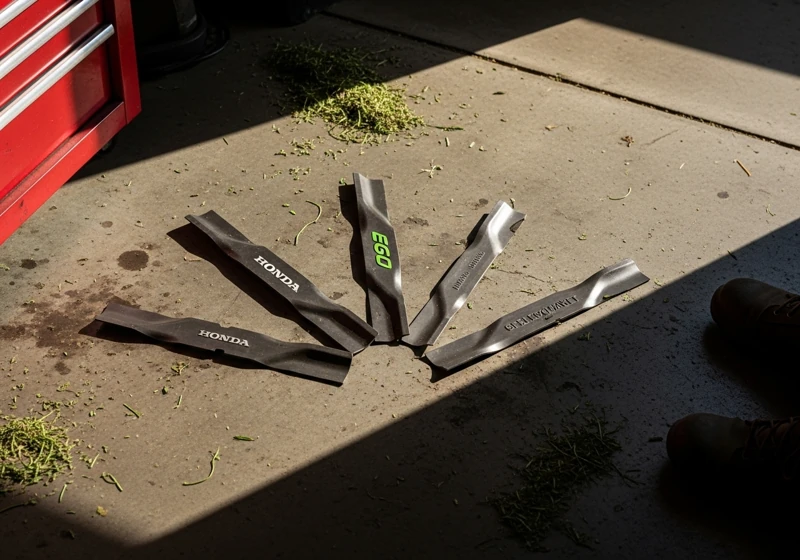
Honda lawn mower blade types deserve their reputation for quality, but here’s what actually makes them different. Honda uses proprietary blade mounting systems on many of their mowers that make cross-compatibility with other brands tricky.
The GCV and GCX series Honda engines (super common in residential mowers) use a blade adapter system with a rectangular mounting pattern. Honda lawn mower blade types for these engines need to match this pattern exactly. Generic “universal” blades sometimes don’t fit correctly, even if they claim Honda compatibility. I’ve seen blade adapters crack because someone forced an incompatible blade onto a Honda mower.
Honda’s OEM blades are typically made from high-carbon steel (1055-1060 range) with good heat treatment. They hold an edge longer than most aftermarket alternatives – typically 30-40 hours of cutting versus 20-25 hours for standard aftermarket blades. Yes, they cost more ($35-45 versus $20-25 for aftermarket), but the edge retention partially justifies the premium.
For Honda’s commercial mowers (like their HRC line), the blades are even heavier-duty. These use 0.250 to 0.312-inch thick steel with hardened cutting edges. The mounting systems include additional safety features like blade brakes that stop rotation within three seconds of releasing the operator presence control. Using non-OEM blades can interfere with these safety systems. The Consumer Product Safety Commission provides guidelines on lawn mower blade safety standards that all replacement parts should meet.
Ego lawn mower blade types are specific to electric mowers, and here’s where things get interesting. Ego uses a direct-drive system without a traditional blade adapter. The blade mounts directly to the motor spindle using a star-pattern mounting system.
This means Ego lawn mower blade types need precise manufacturing tolerances. An out-of-balance blade on an Ego mower creates vibration that the motor can’t dampen the same way a gas engine can. I’ve seen Ego mowers shut down repeatedly because an aftermarket blade was triggering the vibration sensor.
Ego’s OEM blades are made to tight balance specifications (within 0.5 ounces, versus 1-2 ounces for typical gas mower blades). They’re also designed specifically for the torque characteristics of electric motors – instant full torque versus the gradual power curve of gas engines.
The good news about Ego lawn mower blade types is that they last longer between sharpenings than gas mower blades because electric motors maintain more consistent RPM. No engine bog-down means cleaner cuts with less blade wear per hour. The bad news is that replacement blades are more expensive ($40-60) and fewer aftermarket options are available.
Toro uses brand-specific blade designs for their Recycler and TimeMaster mowers. Toro lawn mower blade types feature their “Atomic” blade design for the Recycler series – these are aggressive mulching blades with pronounced teeth and curves optimized for their Vortex deck design.
The TimeMaster (Toro’s 30-inch wide walk-behind) uses a twin-blade system with specialized blade timing. Both blades need to be replaced together because using one new blade with one worn blade creates an imbalance and vibration. Toro blades for the TimeMaster run about $60-70 for the pair.
John Deere uses specific blade designs for their residential lawn tractors that are optimized for their edge deck designs. John Deere lawn tractor blade types include their “MulchControl” blades that work with the deck baffle system to switch between mulching and side discharge without changing blades.
The blade mounting on John Deere uses a 5/8-inch center hole with a square shoulder that requires their specific blade adapter. Many aftermarket blades won’t seat properly on John Deere spindles, even if the center hole fits.
Craftsman mowers (now owned by Stanley Black & Decker) use more standardized blade designs since their mowers are manufactured by multiple companies. This actually makes finding aftermarket Craftsman lawn mower blade types easier – most generic blades work fine as long as you match the length and center hole pattern correctly. When choosing between lawn mower brands, understanding parts compatibility and availability should factor into your decision.
Cub Cadet residential equipment uses blade designs similar to MTD products (they’re related companies). Their blade mounting systems are fairly standard, making aftermarket compatibility good. Cub Cadet’s premium line (XT series and up) uses thicker blades (0.250 inches) that last longer than their entry-level equipment.
Husqvarna automower robotic mowers use razor-style blades that are completely different from traditional mower blades. These tiny blades (about 0.75 inches long) mount to a rotating disc and are designed to be replaced frequently. They’re not sharpened, just replaced when dull. A pack of 9 replacement blades costs about $15-20.
Zero-turn commercial brands like Scag, Exmark, and Ferris use heavy-duty blade designs with reinforced centers and thicker steel (0.312 to 0.375 inches). These blades are made for extreme duty cycles – 1000+ hours per season in commercial service. They cost significantly more ($70-120 per blade), but they’re engineered for durability over cost.
Scag’s “Eliminator” blade design features an aggressive gator-style serration that’s optimized for heavy grass conditions. These work great for commercial operators dealing with overgrown properties, but they’re overkill and too aggressive for typical residential lawns. Toro’s TimeCutter series uses similar aggressive blade designs optimized for residential zero-turn performance.
Exmark uses a proprietary mounting system on many of its machines that prevents the installation of non-Exmark blades. This is frustrating for cost-conscious operators, but Exmark claims it’s for safety and performance reasons. Their blade designs are optimized for their UltraCut deck geometry.
Bad Boy zero-turns use a simple bolt-on blade system that’s compatible with many aftermarket blades. This is actually a selling point for commercial operators who want flexibility in blade sourcing. Bad Boy’s OEM blades are good quality, but not exceptionally better than premium aftermarket alternatives.
For battery-powered equipment in general, blade balance becomes more critical because electric motors can’t dampen vibration the way gas engines can. Whether it’s Ego lawn mower blade types, Milwaukee, Ryobi, or Greenworks, always verify blade balance after sharpening electric mower blades. The motors will thank you by lasting longer.
Brand-specific engineering is real, but here’s the practical reality: for most residential applications, quality aftermarket blades from companies like Oregon, MaxPower, or Rotary work fine as long as you match the specifications correctly. For commercial applications or if you’re still under warranty, stick with OEM blades to avoid potential issues.
Ready to upgrade your cut quality? Start by identifying which conditions you mow in most often – wet or dry grass, weekly or irregular schedule, flat or hilly terrain. Match those conditions to the lawn mower blade type that’s optimized for your situation. Don’t just grab the cheapest blade that fits your model number. Understanding different types of lawn mowers and their blade requirements helps you make informed equipment decisions. Your lawn’s appearance is worth the extra five minutes of research and maybe ten extra bucks for the right blade.
And honestly? Once you experience the difference proper blade selection makes, you’ll wonder why you tolerated mediocre cuts for so long. I’ve got customers who switched from bagging to mulching (with the right blade) and saved 20+ hours per season while improving their lawn’s health. That’s worth way more than the $35 a quality mulching blade costs. For comprehensive maintenance guidance beyond blade selection, check our complete lawn mower maintenance guide.
Mulching blades have curved surfaces and extra cutting edges (sometimes serrated) that keep grass clippings suspended inside your mower deck for multiple cuts, chopping them into fine pieces that decompose quickly. Bagging blades (high-lift blades) have pronounced upward curves at the ends that create strong airflow to evacuate clippings through your discharge chute or into a bag. Mulching blades require dry grass and regular mowing to work properly, while bagging blades handle varying conditions but require more engine power and create more noise. The choice depends on whether you want to return nutrients to your lawn (mulching) or remove all clippings for a pristine appearance (bagging).
Yes, but performance varies based on conditions. Mulching blades work okay for side discharge in dry grass and moderate growth, but they don’t evacuate clippings as efficiently as standard side discharge blades. The curved design that keeps clippings suspended for multiple cuts means they take longer to exit the deck. In thick or wet grass, mulching blades used for side discharge can leave clumps or uneven windrows. If you’re switching between mulching and side discharge regularly, 3-in-1 blades offer a compromise – they mulch adequately and side discharge reasonably well, though they’re not optimized for either function. For dedicated side discharge, standard medium-lift blades are more efficient.
Cut quality depends more on your specific situation than which lawn mower blade type is “best.” For weekly maintained lawns in dry conditions, mulching blades provide the finest cut and healthiest appearance because clippings decompose quickly and feed the soil. For lawns with consistent moisture or irregular mowing schedules, side discharge blades give more reliable results across varying conditions. Bagging blades create the cleanest immediate appearance with zero visible clippings, but remove nutrients from your lawn. The “best” blade is the one that matches your mowing frequency, grass conditions, and desired results. I run mulching blades May through August when I’m mowing weekly, then switch to side discharge blades in spring and fall when growth is less predictable.
Absolutely. Push mower blade types are typically 20-21 inches long and designed for single-blade operation on small decks. Riding mower blade types range from 15-24 inches and work in coordinated multi-blade systems (usually 2-3 blades) that require proper timing. Lawn tractor blade types need to match your deck configuration and PTO system – some decks can’t handle aggressive high-lift blades without vibration issues. Engine power matters too – a 140cc push mower can’t effectively run heavy gator-style mulching blades, while a 20+ HP riding mower can handle any blade configuration. Always verify that replacement blades match your mower’s specifications for length, center hole pattern, thickness, and lift characteristics.
Start with your owner’s manual – it lists compatible blade types, part numbers, and specifications. Check the blade currently on your mower for stamped part numbers and measurements. Measure blade length from end to end, center hole diameter, and overall width. Look for any unique mounting features like star patterns or offset holes. Your mower’s model and serial number plate (usually under the seat on riding mowers or on the deck of push mowers) provides exact specifications for parts lookup. Most manufacturer websites have parts diagrams where you enter your model number and see exact blade specifications. When buying aftermarket blades, verify they match OEM specifications exactly – length, center hole type, thickness, and lift characteristics all need to align with your mower’s design.
