
Walk Behind Mower Maintenance: 8 Root Causes Experts Want
In my experience servicing lawn equipment, I’ve seen how proper walk behind mower maintenance can prevent the most common performance issues. Recently, a customer brought in their walk-behind mower because it was leaving uneven cuts and struggling to start. After inspecting it, I identified a dull blade and a deck clogged with debris, both clear signs of neglected upkeep. These are issues I encounter frequently, and they’re almost always avoidable. With a consistent maintenance routine and a few simple checks, you can keep your mower operating efficiently and extend its lifespan.
Table of Contents
▼- Introduction to Walk-Behind Mower Maintenance
- Routine Maintenance Tasks for Optimal Performance
- Daily and Weekly Checks
- Monthly and Seasonal Tasks
- Seasonal Maintenance: Preparing for Spring and Winter
- Preparing Your Mower for Spring
- Winterizing Your Walk-Behind Mower
- Blade Maintenance: Sharpening and Cleaning for Efficiency
- Sharpening Your Mower Blade
- Cleaning the Mower Deck for Optimal Performance
- Engine Maintenance: Oil Changes, Spark Plugs, and More
- Oil Changes and Filter Replacements
- Spark Plug Replacement and Other Engine Tasks
- Troubleshooting Common Issues with Your Walk-Behind Mower
- Common Problems and Solutions
- Advanced Troubleshooting Techniques
- Quick Comparison
- FAQ’s
Regular maintenance is crucial for the performance and safety of your walk-behind mower. This article will cover the essential tasks and tips for keeping your mower in good working condition, including routine checks, seasonal maintenance, blade maintenance, and engine maintenance.
This guide is part of our comprehensive push mower guide. By following the tips and advice outlined in this article, you’ll be able to keep your walk-behind mower running like new and ensure a perfectly manicured lawn.
📺 How To Operate A Walk Behind Mower (Step By Step Tutorial)
Introduction to Walk-Behind Mower Maintenance
Regular maintenance is essential for the performance and safety of your walk-behind mower. A well-maintained mower will not only cut your lawn more efficiently, but it will also reduce the risk of accidents and extend the lifespan of the machine. In this article, we’ll cover the essential tasks and tips for keeping your walk-behind mower in good working condition.
Routine Maintenance Tasks for Optimal Performance
Routine maintenance tasks are crucial for the optimal performance of your walk-behind mower. These tasks include daily and weekly checks, as well as monthly and seasonal tasks. Daily checks include inspecting the mower’s blade and deck for debris, checking the oil and fuel levels, and ensuring that the tires are properly inflated. Weekly checks include cleaning the mower’s air filter and spark plug, and checking the mower’s belt for wear and tear.
Daily and Weekly Checks
Daily and weekly checks are essential for ensuring that your walk-behind mower is running smoothly and efficiently. These checks include inspecting the mower’s blade and deck for debris, checking the oil and fuel levels, and ensuring that the tires are properly inflated. By performing these checks regularly, you can identify and address any issues before they become major problems.
Monthly and Seasonal Tasks
Monthly and seasonal tasks are also important for maintaining your walk-behind mower. These tasks include changing the oil and filter, sharpening the blade, and cleaning the deck. By performing these tasks regularly, you can ensure that your mower is running at peak performance and reduce the risk of accidents.
Seasonal Maintenance: Preparing for Spring and Winter
Seasonal maintenance is crucial for preparing your walk-behind mower for the changing seasons. In the spring, you’ll want to perform a thorough cleaning and inspection of the mower, as well as change the oil and filter. In the winter, you’ll want to store the mower in a dry and protected area and perform any necessary repairs or maintenance tasks.
Preparing Your Mower for Spring
Preparing your walk-behind mower for spring involves performing a thorough cleaning and inspection of the machine. This includes checking the blade and deck for debris, cleaning the air filter and spark plug, and changing the oil and filter. By performing these tasks, you can ensure that your mower is running smoothly and efficiently.

Winterizing Your Walk-Behind Mower
Winterizing your walk-behind mower involves storing it in a dry and protected area and performing any necessary repairs or maintenance tasks. This includes changing the oil and filter, cleaning the deck and blade, and checking the tires for proper inflation. By performing these tasks, you can ensure that your mower is protected from the elements and will be ready to use when the spring arrives.
Blade Maintenance: Sharpening and Cleaning for Efficiency
Blade maintenance is crucial for the efficiency and performance of your walk-behind mower. A dull blade can lead to uneven cuts and reduce the lifespan of the machine. By sharpening and cleaning the blade regularly, you can ensure that your mower is running smoothly and efficiently.
Sharpening Your Mower Blade
Sharpening your mower blade is a simple process that can be done at home with a few basic tools. You’ll need a blade-sharpening kit, which can be purchased at most hardware stores or home improvement centers. By following the manufacturer’s instructions, you can sharpen your blade and ensure that your mower is running smoothly and efficiently.
Cleaning the Mower Deck for Optimal Performance
Cleaning the mower deck is also important for optimal performance. You’ll want to remove any debris or grass clippings that may have accumulated on the deck, and clean the deck with a garden hose. By performing these tasks, you can ensure that your mower is running smoothly and efficiently.
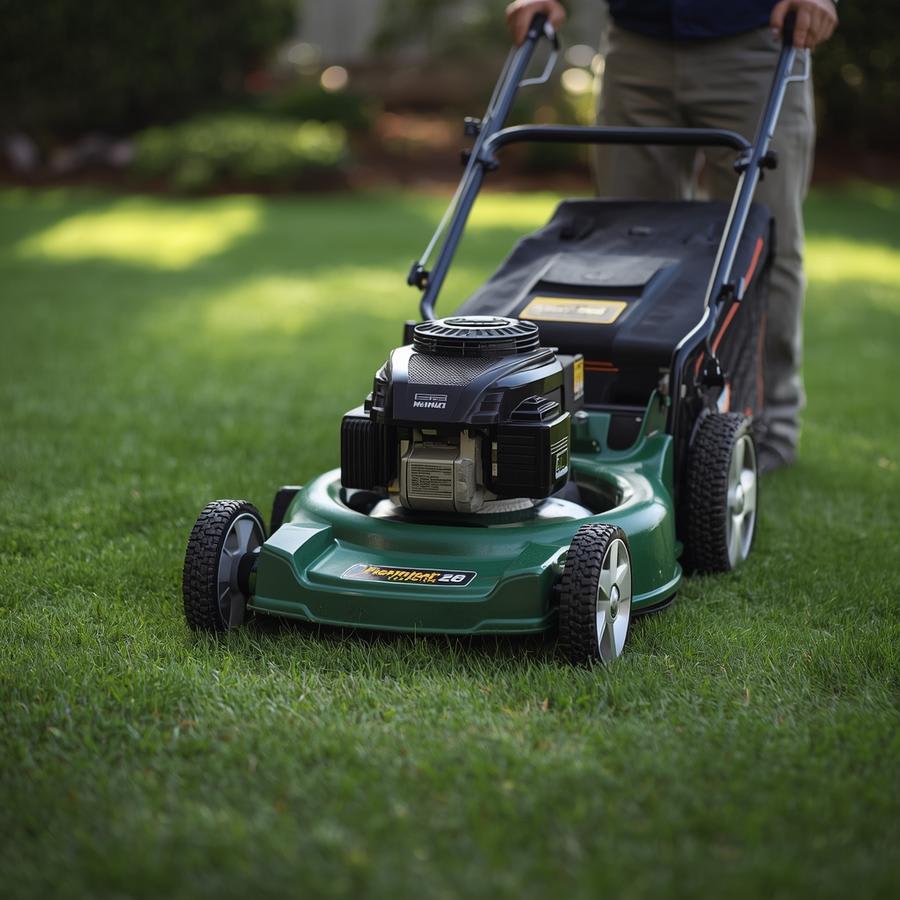
Engine Maintenance: Oil Changes, Spark Plugs, and More
Engine maintenance is crucial for the performance and lifespan of your walk-behind mower. Regular oil changes, spark plug replacement, and filter cleaning can help ensure that your mower is running smoothly and efficiently. By performing these tasks, you can reduce the risk of engine damage and extend the lifespan of the machine.
Oil Changes and Filter Replacements
Oil changes and filter replacements are essential for the performance and lifespan of your walk-behind mower. You’ll want to change the oil every 50 hours of use, or as recommended by the manufacturer. You’ll also want to replace the filter every 25 hours of use, or as recommended by the manufacturer. By performing these tasks, you can ensure that your mower is running smoothly and efficiently.
Spark Plug Replacement and Other Engine Tasks
Spark plug replacement is also important for the performance and lifespan of your walk-behind mower. You’ll want to replace the spark plug every 100 hours of use, or as recommended by the manufacturer. You’ll also want to perform other engine tasks, such as cleaning the air filter and checking the engine’s compression. By performing these tasks, you can ensure that your mower is running smoothly and efficiently.
Troubleshooting Common Issues with Your Walk-Behind Mower
Troubleshooting common issues with your walk-behind mower can be a challenge, but it’s an important part of maintaining the machine. By identifying and addressing any issues promptly, you can reduce the risk of damage and extend the lifespan of the machine. Some common issues include uneven cuts, difficulty starting, and strange noises. By performing some basic troubleshooting tasks, you can identify and address the root cause of the issue.

Common Problems and Solutions
Some common problems with walk-behind mowers include uneven cuts, difficulty starting, and strange noises. To address these issues, you’ll want to perform some basic troubleshooting tasks, such as checking the blade and deck for debris, cleaning the air filter and spark plug, and checking the engine’s compression. By performing these tasks, you can identify and address the root cause of the issue.
Advanced Troubleshooting Techniques
Advanced troubleshooting techniques may be necessary for more complex issues with your walk-behind mower. These techniques include using specialized tools, such as a multimeter or compression gauge, to diagnose the issue. By performing these tasks, you can identify and address the root cause of the issue and get your mower running smoothly and efficiently.
Quick Comparison
| Mower Type | Maintenance Requirements | Recommended Tools |
|---|---|---|
| Gas-Powered | Regular oil changes, spark plug replacement | Socket set, oil filter wrench |
| Electric | Regular blade sharpening, deck cleaning | Blade sharpening kit, deck cleaning brush |
FAQ’s
The 1/3 rule in mowing refers to the practice of only cutting one-third of the grass blade at a time. This helps to prevent shock to the grass and promotes healthy growth. By following this rule, you can ensure that your lawn is healthy and well-maintained.
Yes, you can spray WD-40 on a mower deck to help prevent rust and corrosion. However, it’s essential to follow the manufacturer’s instructions and take necessary safety precautions. For more information on using WD-40 on your mower deck, visit this resource.
Regular maintenance for a lawnmower includes checking and replacing the spark plugs, cleaning the air filter, and changing the oil and filter. It’s also essential to sharpen the blade and clean the deck regularly. For more information on lawn mower maintenance, visit this website.
Yes, lawn mowers can cause tinnitus, which is a ringing or buzzing sound in the ears. Prolonged exposure to loud noises, such as those produced by lawn mowers, can damage the inner ear and lead to tinnitus. It’s essential to wear ear protection when operating a lawnmower to prevent this condition.
The signs that your mower’s spark plugs need to be replaced include difficulty starting the engine, poor engine performance, and increased fuel consumption. If you notice any of these symptoms, it’s essential to replace the spark plugs promptly to prevent further damage to the engine.
To keep your walk-behind mower running efficiently and quietly, it’s essential to perform regular maintenance tasks, such as changing the oil and filter, sharpening the blade, and cleaning the deck. You should also check the air filter and spark plug regularly and replace them as needed. By following these tips, you can ensure that your mower is running smoothly and efficiently.
Yes, there are several safety precautions you should take when performing maintenance on your walk-behind mower. These include wearing protective gear, such as gloves and safety glasses, and ensuring that the mower is turned off and cool before starting maintenance. You should also refer to the owner’s manual for specific safety precautions and guidelines.
For complete information on this topic, see our main push mower guide. By following the tips and advice outlined in this article, you’ll be able to keep your walk-behind mower running like new and ensure a perfectly manicured lawn.
In conclusion, regular maintenance is crucial for the performance and safety of your walk-behind mower. By following the tips and advice outlined in this article, you can ensure that your mower is running smoothly and efficiently.
Remember to always refer to your owner’s manual for specific maintenance recommendations and guidelines, and take necessary safety precautions when performing maintenance tasks. With proper care and maintenance, your walk-behind mower will provide you with years of reliable service and help you achieve a beautiful, well-manicured lawn.
