
John Deere Riding Lawn Mower 2025: Complete Model Guide
Been getting calls all week from folks asking about the new John Deere riding lawn mower models. Just yesterday, my buddy Steve called me up, completely overwhelmed – he’d been to three different stores and everyone told him something different. “Mike,” he says, “I just need to know which damn mower to buy!”
Table of Contents
▼- John Deere’s Not Just Green Paint (Though I Used to Think It Was)
- D100 and E100 Series: My Go-To Recommendations for Most People
- X350 and X380: Where John Deere Gets Serious
- S240: The Mower That Solves Weird Problems
- Picking the Right Model: My Decision Tree
- Where to Buy Without Getting Screwed
- Bottom Line: Buy Smart, Not Expensive
I get it. The choices are nuts these days.
Thing is, I’ve been knee-deep in this stuff since 2009. Started fixing mowers in my garage because my neighbor’s Craftsman died every other week. Fast-forward to now, and I’m running my own consultancy, testing every John Deere riding mower that hits the market. Whether you’re comparing different types of lawn mowers or specifically focused on riding models, understanding the fundamentals makes all the difference. My wife jokes that I know more about lawn mowers than I do about her (she’s probably right).
But here’s what bugs me about most reviews – they’re written by people who’ve never actually lived with these machines. Me? I’ve got grass stains on my jeans and oil under my fingernails. My current test fleet includes six different John Deere lawn mower models sitting in my shop right now. My kids think I’m crazy, but they sure don’t complain when their friends come over to “help” test ride.
So yeah, let’s cut through the BS and talk about what these mowers actually do in real backyards.
John Deere’s Not Just Green Paint (Though I Used to Think It Was)
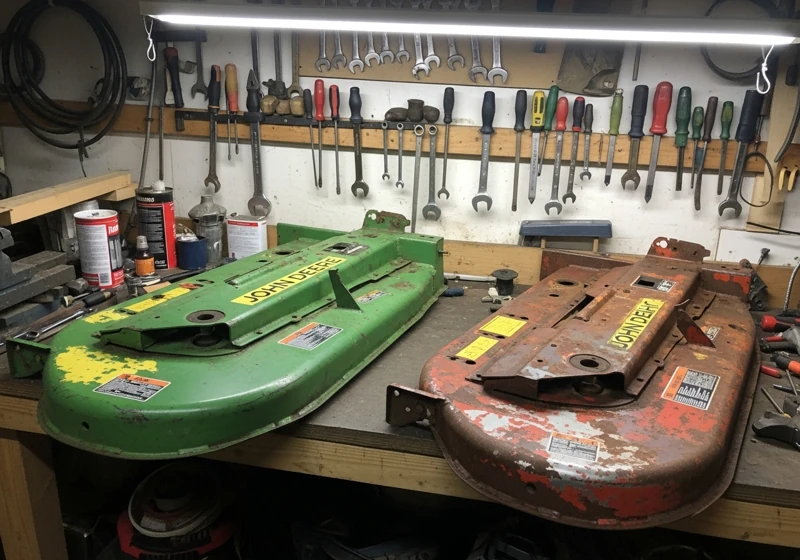
Gonna be straight with you – ten years ago, I thought John Deere was overpriced junk riding on their name. Then my father-in-law gave me his beat-up 1998 John Deere lawn mower when he moved to a condo. Things looked like hell, but it fired right up.
That mower changed my mind completely.
See, I’d been through four different “bargain” mowers in five years. Each one died spectacularly – deck cracked, transmission gave out, engine seized. But this ancient John Deere riding lawn mower? Still cutting grass twelve years later. This is why I always tell people that proper lawn mower maintenance and regular oil changes are non-negotiable. My teenage son Jake drives it like he’s auditioning for NASCAR, and it just keeps going.
What really opened my eyes was when I started tearing apart mowers for parts. John Deere riding mowers use heavier steel everywhere. The welds are cleaner. Even their basic models get manufacturing details that cost-cutting competitors skip. And when something breaks? Every podunk town has a John Deere dealer who stocks parts. When you’re choosing lawn mower brands by yard size and budget, dealer support should be a major factor in your decision. John Deere’s rich history in agricultural machinery translates directly to their residential lawn care equipment.
I learned this lesson the expensive way when my neighbor bought some off-brand mower online. Beautiful machine, great price. Six months later, when the deck cracked, he drove 90 miles to find someone who’d even look at it. Meanwhile, I walked into my local dealer and had parts the same day.
The resale thing is real, too. Last spring, I sold a five-year-old John Deere lawn mower for almost half what I paid. Try that with a box store special.
D100 and E100 Series: My Go-To Recommendations for Most People
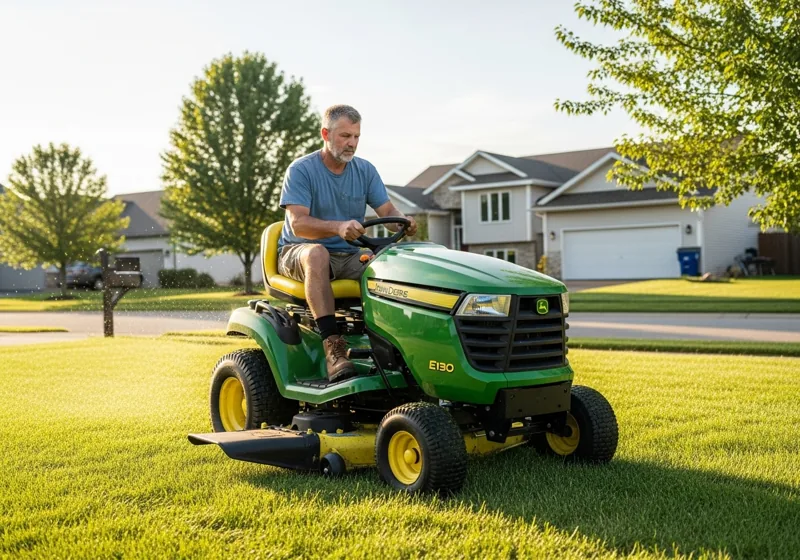
Every spring, the same conversation happens. Customer walks in, points at the biggest, fanciest mower on the floor. “I want that one.”
“How big’s your yard?”
“Oh, maybe half an acre.”
That’s when I walk them over to the John Deere D100 series.
Look, I’m not trying to undersell anyone. But I’ve watched too many people blow their budget on features they’ll never use. The D105, D110, D125, D130 – these aren’t sexy machines, but they work. For smaller properties, you might also want to consider the best push mowers or even electric options before committing to a riding mower. My neighbor Tom has been running a D125 for four years. Every Saturday morning, he’s out there making perfect stripes on his lawn while I’m still drinking coffee.
The John Deere E100 series steps it up with that Edge cutting technology. Initially thought it was marketing fluff until I ran both series through my “torture test” – basically mowing my back field that I let grow wild all summer. The E series handled wet, thick grass noticeably better. Less clogging, cleaner cuts, fewer clumps left behind.
Here’s the thing, though – both series have limitations. My property’s got some steep spots where these mowers struggle. The transmissions just don’t have the guts for serious hills. But for typical suburban yards? They’re workhorses.
Jake’s been running our E130 for two seasons now. Kid treats it like a toy, leaves it out in the rain,and never checks the oil. Still starts every time. If it can survive teenage neglect, it’ll handle normal use just fine. Understanding different lawn mower engines helps you make better maintenance decisions down the road.
The 15-inch seats aren’t luxury car comfortable, but they get the job done. And the side-by-side pedals make these things so easy to operate that my 70-year-old mom figured it out in ten minutes.
X350 and X380: Where John Deere Gets Serious
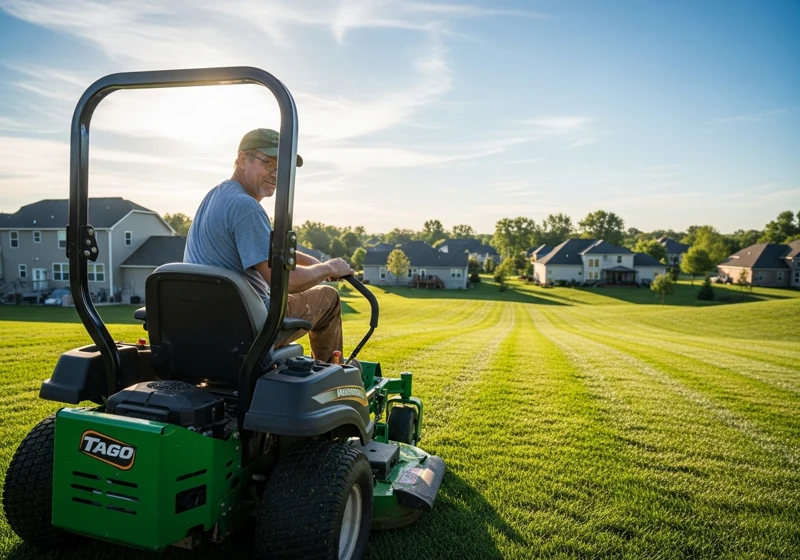
Remember my buddy Steve from the intro? His yard’s about two acres with some challenging slopes. Took him out to test ride a John Deere X350 last month, and his exact words were “Holy crap, this is like driving a Cadillac compared to my old mower.”
That’s the Tuff Torq transmission talking. The hydrostatic transmission technology used in these models provides the smooth, variable speed control that makes hill climbing so effortless.
The difference between the basic transmissions and this setup is night and day. Hills that made his old mower wheeze and slip? The John Deere X350 climbs them smooth as silk. No jerky movements, no wheel spin, just steady power delivery.
I’ve probably put 200 hours on various X350 models over the years. The 42-inch Edge deck cuts beautifully, but what impressed me most was the consistency. You know how some mowers leave your lawn looking like a drunk person cut it? The X350 delivers professional-looking results every time.
The John Deere X380 is essentially the same machine with a 48-inch deck. Doesn’t sound like much, but that extra six inches saves serious time on larger properties. I timed myself on a customer’s 2.8-acre lot – X380 finished in under two hours, while the X350 took almost two and a half. When you’re talking weekly mowing all season, those minutes matter.
Both models are comfortable enough for longer sessions. The seats are better than the entry-level series, though not quite luxury level. Fuel capacity’s generous – I can usually cut my entire three-acre test area without refueling.
Here’s what I tell people shopping this range: these John Deere riding mower models hit the sweet spot. Sophisticated enough to handle real challenges, but not so complex that you need an engineering degree to maintain them. For even more comprehensive comparisons, check out my complete riding lawn mower guide where I test multiple brands side-by-side.
S240: The Mower That Solves Weird Problems
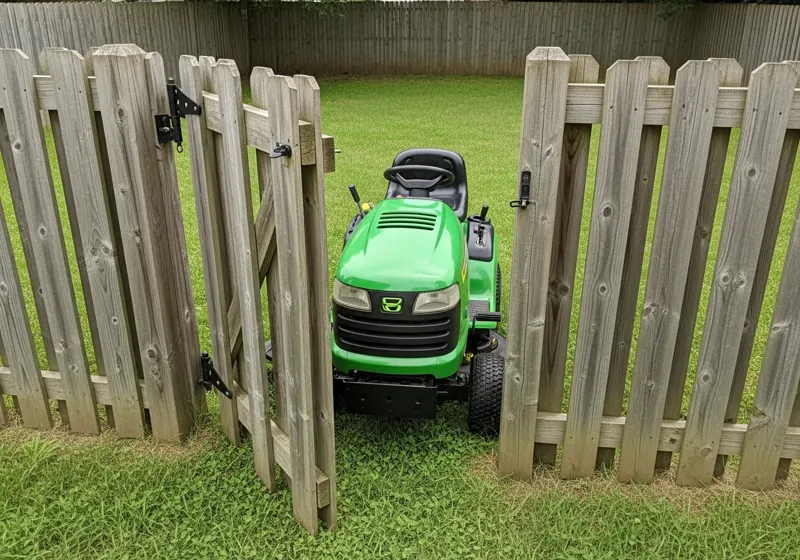
Got this customer, Margaret, whose yard is like a jigsaw puzzle. Narrow gates, flower beds everywhere, a garage that’s barely big enough for her car. She needed cutting power, but nothing too big would fit.
That’s where the John Deere S240 shines.
This thing’s only 69 inches long – actually fits in tight spaces. But don’t let the compact size fool you. The 19.5 HP engine has plenty of power, and that 42-inch Edge deck cuts just as well as the bigger models. Understanding small engine horsepower ratings helps you match power to your property’s demands.
I spent an afternoon helping Margaret navigate her obstacle course of a yard. The tighter turning radius made all the difference. She could get around trees, between flower beds, even through her side gate, without scraping paint.
What’s really impressive is how John Deere packed all this capability into a smaller package without sacrificing build quality. Same heavy-duty deck construction, same reliable engine, same attention to detail. Just in a more manageable size.
The only trade-off is comfort during marathon sessions. If you’re planning to mow for hours at a stretch, you might want more seat cushioning. But for most suburban situations, the John Deere S240 solves problems other mowers can’t.
Picking the Right Model: My Decision Tree

After helping hundreds of customers make this choice, I’ve got a system. First question: How big is your property? And be honest – walk it off or check your survey. I can’t tell you how many people guess wrong.
Second: What’s your terrain like? If you wouldn’t feel comfortable walking up your slopes in wet conditions, don’t expect an entry-level mower to handle them either.
Third: Where are you storing this thing? Seen too many expensive mowers turn to rust because they wouldn’t fit in the garage.
Here’s my breakdown:
Small yards, flat ground (under 1 acre): Go with something from the John Deere E100 series. The E130’s my usual recommendation – good cutting performance, reliable, priced fairly.
Medium properties with some challenges (1-2 acres): John Deere X350 territory. The transmission upgrade alone justifies the price difference.
Larger areas (2+ acres): Step up to the John Deere X380. That wider deck saves significant time every week.
Tight spaces but need performance: John Deere S240 solves the puzzle. Compact enough for difficult access, powerful enough to do the job right.
Don’t overthink it. Match the machine to your actual needs, not what you think you might need someday. Still not sure which type fits your needs? My guide to riding vs. push lawn mowers breaks down the decision-making process even further.
Where to Buy Without Getting Screwed
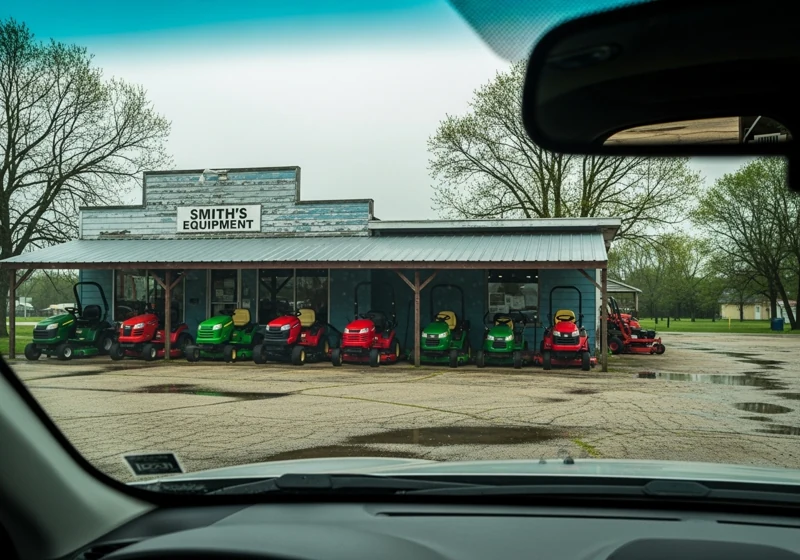
Shopping for John Deere riding lawn mowers for sale is trickier than it should be. I’ve seen customers get burned by everything from terrible assembly to worthless warranties.
Authorized dealers are usually your safest bet. Yeah, you’ll pay full price, but you get proper assembly, real warranty support, and someone who knows how to fix what they sell. Most dealers will deliver and handle your first service too.
Timing matters hugely. Shop between Halloween and New Year’s if you can wait. Dealers need to clear inventory, and manufacturers run promotions. I’ve watched people save $400-500 just by waiting two months.
Big box stores can work for basic models, but assembly quality varies wildly. If you go this route, have a dealer inspect it before first use. Costs may be $100, but it catches problems before they become expensive. Speaking of maintenance, don’t forget to winterize your lawn mower properly and learn how to sharpen your mower blade for optimal performance. Following proper small engine maintenance schedules extends equipment life significantly.
Online buying makes me nervous. Too many gray market machines with questionable warranty coverage. If you find a deal that seems too good to be true, it probably involves compromised support.
Financing through John Deere Credit can be attractive during promotional periods. Just read the fine print – those 0% deals often have harsh penalties if you’re late.
The used market is tricky because John Deere holds value so well. Three-year-old machines might only be $500 less than new. Unless you’re looking at much older units, savings often don’t justify the risk. Want to see how John Deere stacks up against the competition? My best lawn mower brands comparison covers all the major manufacturers.
Bottom Line: Buy Smart, Not Expensive
Been doing this long enough to know the best mower isn’t necessarily the most expensive one. It’s the one that fits your actual situation.
Seen people drop five grand on machines they use for 45 minutes a week on flat grass. Also watched folks struggle for years with underpowered equipment that can’t handle their property. Both scenarios suck.
The John Deere D100 series and John Deere E100 series are solid choices for basic needs. Don’t let anyone pressure you into something fancier if these fit your situation. But if you’ve got challenging terrain or larger areas, the improvements in the X series justify their higher prices.
The John Deere S240 proves that John Deere gets real-world constraints. Not everyone has massive storage or wide-open spaces.
Whatever you pick, remember this is a long-term investment. Buy the right size, maintain it properly (change that damn oil!), and any John Deere lawn mower will serve you well for years. For those interested in more eco-friendly alternatives, consider exploring electric lawn mowers or even robotic mowers for hands-free maintenance.
Your neighbors will appreciate the results, and your back will thank you for ditching that push mower.
John Deere X380 with the 48-inch deck, hands down. Timed this scenario probably fifty times. That extra cutting width saves 30-40 minutes per session compared to 42-inch models. Over a full season, that’s hours of your life back.
The Edge cutting deck on the John Deere e100 series actually improves performance. Handles wet grass better, less clumping, and more consistent cut height. Not revolutionary, but definitely noticeable. Whether it’s worth the extra cost depends on how picky you are about results.
For most people, yes – with conditions. Keep them long-term (10+ years), buy an appropriate size, maintain properly, and the premium pays off through reliability and resale. If you trade up frequently or have simple needs, you might be better off elsewhere.
Deck width. That’s it. 42 inches versus 48 inches. Same engine, same transmission, same everything else. Choose based on property size and how much time you want to spend mowing.
Authorized dealers during late fall clearance. Yes, you might find lower prices elsewhere, but total ownership costs usually favor dealer purchases when you factor in assembly, warranty, and service.
