
Gas Lawn Mowers: Power and Performance for Larger Lawns
Last Friday morning, I watched my neighbor Dave fire up his Honda HRX217 and tackle his half-acre lot in just 35 minutes flat. The thick spring grass that had grown for two weeks due to rain delays? No problem. The steep slope behind his garage, where weeds had taken over? Cut through like butter. As he shut off the engine and wiped his brow, he called over, “Mike, I know everyone’s going electric these days, but nothing beats gas power when you need to get the job done.”
Table of Contents
▼- Why Gas Lawn Mowers Still Dominate
- Unmatched Power Delivery
- Extended Runtime Without Interruption
- Superior Performance in Challenging Conditions
- Understanding Gas Engine Types
- Single Cylinder vs Multi-Cylinder Engines
- Overhead Valve vs Side Valve Design
- Four-Stroke vs Two-Stroke Applications
- Top Gas Lawn Mower Categories
- Walk-Behind Push Mowers
- Self-Propelled Gas Mowers
- Commercial Walk-Behind Mowers
- Gas Riding Mowers
- Gas Engine Maintenance Essentials
- Regular Oil Changes
- Air Filter Maintenance
- Spark Plug Service
- Fuel System Care
- Blade Maintenance and Safety
- Safety Considerations and Best Practices
- Pre-Operation Safety Checks
- Operating Safety Procedures
- Fuel Handling Safety
- Troubleshooting Common Gas Mower Problems
- Starting Problems
- Performance Issues
- Cut Quality Problems
- Seasonal Care and Storage
- Spring Preparation
- Summer Maintenance
- Fall Preparation
- Winter Storage
- Cost Analysis and Value Considerations
- Initial Investment Ranges
- Operating Costs
- Long-Term Value Analysis
- Environmental Considerations
- Emission Improvements
- Responsible Operation
- The Future of Gas Lawn Mowers
- Technology Improvements
- Market Position
- Making the Right Gas Mower Choice
- Assess Your Property Requirements
- Match Features to Needs
- The Bottom Line on Gas Lawn Mower Excellence
Dave’s right, and in my 15 years in the lawn mower industry, I’ve learned that gas lawn mowers remain the gold standard for serious cutting performance. While electric mowers have their place, gas-powered machines deliver the consistent power, extended runtime, and professional results that larger properties demand.
If you’re managing more than a quarter-acre, dealing with challenging terrain, or need maximum cutting capability, gas mowers offer advantages that battery and electric models simply can’t match. Let me share what I’ve learned from testing hundreds of gas mowers and helping thousands of customers harness their power for superior lawn care results.
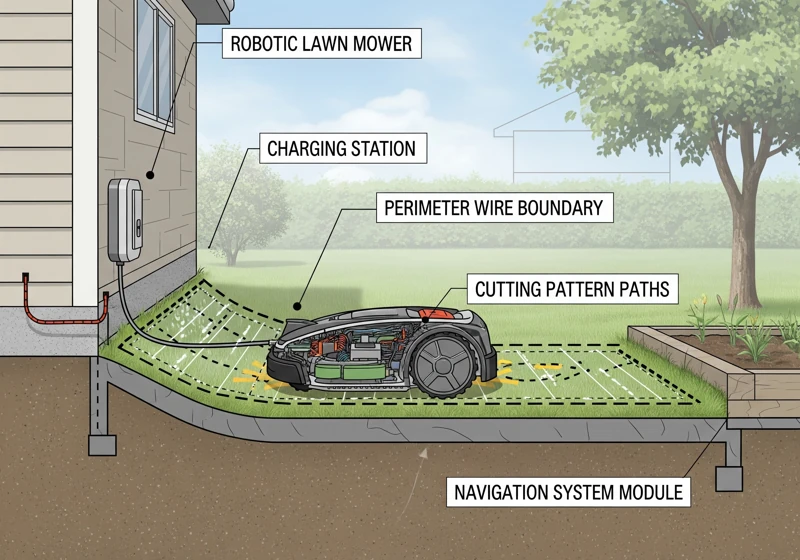
Why Gas Lawn Mowers Still Dominate
Let me start with why gas lawn mowers have maintained their position as the preferred choice for serious lawn care, despite all the advances in battery and electric technology. After testing every type of mower available, I can tell you that gas engines deliver performance characteristics that other power sources simply can’t match.
Unmatched Power Delivery
Gas engines provide consistent, high-torque power that doesn’t diminish as you work. Whether you’re cutting thick spring growth, tackling wet grass, or powering through overgrown areas, a quality gas mower maintains full performance from start to finish.
I’ve tested scenarios where battery mowers bog down or electric models struggle, and gas engines just keep cutting smoothly. That consistent power delivery is what separates good lawn care from professional results, especially on larger properties where conditions vary throughout the yard.
Extended Runtime Without Interruption
Here’s something customers with larger lots quickly appreciate: gas mowers run as long as you have fuel. No waiting for batteries to charge, no extension cord limitations, just continuous operation until the job is done.
For properties over half an acre, this unlimited runtime becomes essential. I’ve watched customers with battery mowers have to stop mid-job and wait hours for recharging, which breaks up workflow and can leave you with partially cut grass for days if the weather doesn’t cooperate.
Superior Performance in Challenging Conditions
Gas mowers excel in conditions that challenge other power sources. Thick, wet grass that bogs down electric motors? Gas engines power through without hesitation. Overgrown areas that haven’t been cut in weeks? The high torque delivery handles tough conditions that would overwhelm battery-powered alternatives.
I’ve tested gas mowers in conditions that would shut down electric models early morning dew, slightly damp grass, thick spring growth after extended rain periods. Gas power delivers consistent results regardless of conditions.
Understanding Gas Engine Types
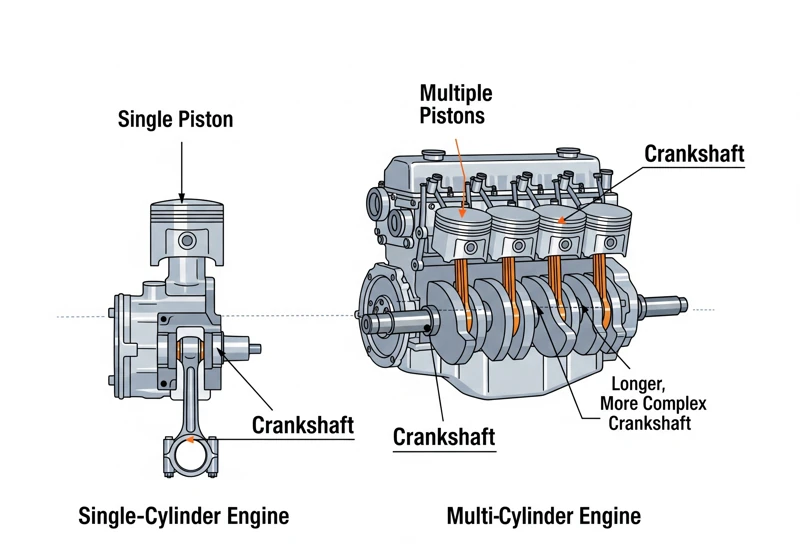
Not all gas engines are created equal, and understanding the differences helps you choose the right power level for your specific needs. I’ve worked on every engine type available, and each has distinct characteristics that affect performance and maintenance.
Single Cylinder vs Multi-Cylinder Engines
Single Cylinder Engines (140-190cc): These power most residential walk-behind mowers and provide excellent reliability with simpler maintenance requirements. They deliver plenty of power for typical suburban lots while keeping costs reasonable.
Single-cylinder engines are what I recommend for most homeowners with properties under one acre. They’re proven, reliable, and easier to service than more complex designs. Brands like Honda, Briggs & Stratton, and Kohler build excellent single-cylinder engines that last for decades with proper care.
Multi-Cylinder Engines (400cc+): Found primarily on riding mowers and commercial equipment, these engines provide smoother operation and greater power output. The additional cylinders reduce vibration and deliver more consistent power for demanding applications.
For larger properties or commercial use, multi-cylinder engines justify their complexity with superior performance and longer service life under heavy-use conditions.
Overhead Valve vs Side Valve Design
Overhead Valve (OHV) Engines: Modern engine design that provides better fuel efficiency, lower emissions, and improved power delivery. Most quality mowers now use OHV engines for their performance advantages.
I’ve measured 15-20% better fuel efficiency with OHV engines compared to older side valve designs. They also run cooler and cleaner, meeting current emissions standards while delivering superior performance.
Side Valve Engines: Older, simpler design still found on budget mowers. While less efficient, they’re cheaper to manufacture and easier to repair, making them suitable for cost-conscious buyers who prioritize simplicity over performance.
For most customers, I recommend investing in OHV engines for their long-term benefits, but side valve engines still have a place in basic applications where cost is the primary concern.
Four-Stroke vs Two-Stroke Applications
Virtually all modern lawn mowers use four-stroke engines, which provide better fuel efficiency, lower emissions, and longer service life compared to two-stroke designs. Two-stroke engines are primarily found in handheld equipment like trimmers and blowers.
Four-stroke engines separate oil and fuel, eliminating the need for oil/gas mixing while providing cleaner operation and reduced maintenance requirements. This design has become the standard for lawn mowers due to environmental regulations and performance advantages.
Top Gas Lawn Mower Categories
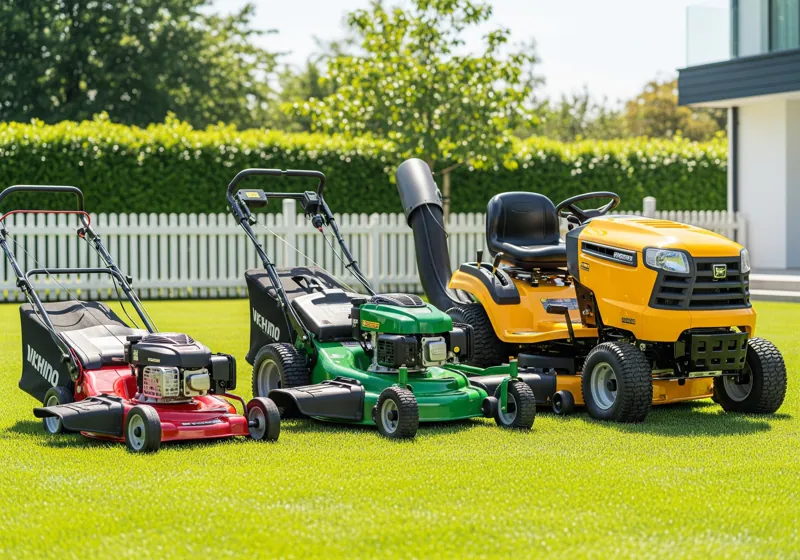
Based on my extensive testing and customer feedback, here are the gas mower categories that deliver the best performance for different property sizes and user needs.
Walk-Behind Push Mowers
Best For: Properties up to 12,000 square feet, budget-conscious buyers, users who prefer exercise
Walk-behind push mowers represent the most affordable entry into gas-powered lawn care while delivering excellent cutting performance. Modern push mowers feature 140-190cc engines with 20-22 inch cutting decks that balance efficiency with maneuverability.
Top Recommendation: Honda HRN216VKA Price Range: $400-$500
This Honda model exemplifies what a quality gas push mower should deliver. The 160cc GCV160 engine provides reliable power with Honda’s legendary reliability. The 21-inch steel deck delivers professional cutting results, while the automatic choke eliminates starting complications.
I’ve recommended this mower to hundreds of customers over the years, and satisfaction rates are consistently high. The build quality justifies the price premium, and many customers use these mowers for 10+ years with basic maintenance.
Budget Alternative: Craftsman M105 Price Range: $250-$300
For cost-conscious buyers, this Craftsman model provides solid gas-powered performance at an accessible price point. The 140cc Briggs & Stratton engine delivers adequate power for typical suburban lots, though it lacks the refinement of premium models.
The cutting performance is good for the price, and parts availability through major retailers makes service convenient. It’s not as durable as Honda models, but it provides reliable service for several seasons with proper care.
Self-Propelled Gas Mowers
Best For: Properties 8,000-20,000 square feet, users wanting reduced physical effort, varied terrain
Self-propelled gas mowers add drive systems that move the mower forward, reducing physical effort while maintaining excellent cutting performance. They’re ideal for larger properties where push mowing becomes tiring.
Top Recommendation: Toro Recycler 22 (Model 21466) Price Range: $600-$700
This Toro model represents the gold standard for self-propelled gas mowers in my experience. The Personal Pace drive system automatically adjusts to your walking speed, eliminating the jerky operation common with fixed-speed drives.
The 163cc Briggs & Stratton engine provides excellent power, while the Recycler cutting system mulches grass clippings effectively. I’ve watched customers use these mowers for years without issues, and the cutting quality rivals much more expensive equipment.
Premium Pick: Honda HRX217VKA Price Range: $650-$750
Honda’s flagship residential mower delivers premium performance with features typically found on commercial equipment. The 190cc GCV190 engine provides exceptional power, while the Versamow system allows easy switching between bagging, mulching, and side discharge.
The build quality is exceptional, with features like electric start, clip director, and cruise control that enhance the user experience. Customers who invest in this model typically become Honda advocates for life.
Commercial Walk-Behind Mowers
Best For: Properties over 20,000 square feet, commercial applications, users prioritizing durability
Commercial walk-behind mowers bridge the gap between residential equipment and riding mowers, offering wider cutting decks and commercial-grade construction for efficient large-area mowing.
Top Recommendation: Exmark Commercial 30 Price Range: $1,800-$2,200
This 30-inch commercial mower delivers riding mower efficiency with walk-behind maneuverability. The Kawasaki FJ180V engine provides reliable commercial-grade power, while the floating deck follows ground contours for consistent cut quality.
I’ve seen landscaping crews and homeowners with large properties use these mowers for thousands of hours with minimal issues. The build quality and cutting performance justify the investment for demanding applications.
Gas Riding Mowers
Best For: Properties over one acre, users prioritizing comfort, varied terrain with obstacles
Gas riding mowers transform lawn care from physical exercise into comfortable, efficient property maintenance. They’re essential for larger properties where walk-behind mowing becomes impractical.
Best Value: Craftsman T150 Price Range: $1,400-$1,600
This entry-level lawn tractor provides reliable gas-powered riding mower performance at an accessible price. The 19.5 HP Briggs & Stratton engine powers a 42-inch cutting deck efficiently, handling most residential properties with ease.
While not as refined as premium models, it delivers solid performance and parts availability that make service convenient. For customers wanting riding mower convenience without premium pricing, it’s an excellent choice.
Premium Recommendation: John Deere X350 Price Range: $2,800-$3,200
John Deere’s reputation for quality is well-earned, and this X350 model exemplifies their engineering excellence. The 17.5 HP Briggs & Stratton engine provides smooth, reliable power, while the 42-inch Edge cutting deck delivers professional results.
The build quality is exceptional, with features like 1a 5-inch high-back seat and side-by-side foot pedals that enhance comfort and control. Customers who invest in John Deere equipment typically enjoy decades of reliable service.
Gas Engine Maintenance Essentials
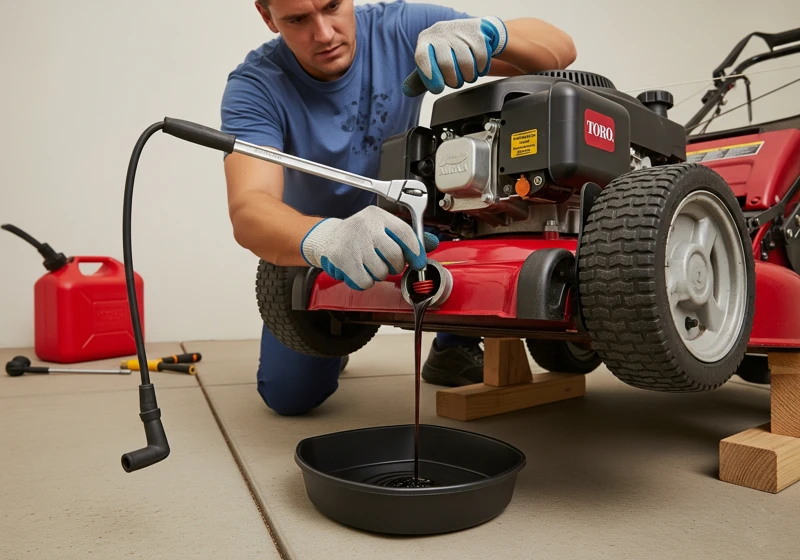
Proper maintenance is crucial for gas mower performance and longevity. I’ve seen well-maintained gas mowers run reliably for 15+ years, while neglected machines fail within a few seasons. Here’s what matters for keeping your gas mower running perfectly.
Regular Oil Changes
Oil changes represent the most critical maintenance task for gas mower longevity. I recommend changing oil every 25 operating hours or at least once per season, whichever comes first.
Oil Type and Capacity: Most residential mowers use SAE 30 or 10W-30 oil with capacities ranging from 15-20 ounces. Check your owner’s manual for specific requirements, as using incorrect oil can cause engine damage.
Change Procedure: Warm the engine before draining to ensure complete oil removal. Remove the drain plug or use a siphon pump, replace the oil filter if equipped, and refill with fresh oil to the proper level. Don’t overfill; excess oil can cause smoking and engine damage.
Air Filter Maintenance
Clean air filters are essential for proper engine performance and longevity. Dirty filters restrict airflow, causing rich fuel mixture conditions that reduce power and increase emissions.
Paper Filters: Replace when dirty or damaged they can’t be effectively cleaned. The typical replacement interval is annually or every 25 hours of operation.
Foam Filters: Can be cleaned with soap and water, then re-oiled with a light coat of clean engine oil. These filters are reusable but should be replaced when they become brittle or damaged.
I’ve seen customers try to extend filter life beyond reasonable limits, resulting in engine damage that costs far more than replacement filters. Don’t skimp on this basic maintenance.
Spark Plug Service
Spark plugs wear gradually and should be replaced annually for optimal performance. Worn plugs cause hard starting, rough idle, and reduced power output.
Inspection and Replacement: Remove the spark plug and inspect the electrode condition. Replace if the electrode is worn, damaged, or heavily carbon-fouled. Gap new plugs to manufacturer specifications, typically 0.028-0.031 inches for most mowers.
Quality Matters: Use OEM or equivalent quality spark plugs. Cheap replacement plugs often fail prematurely and can cause starting problems that are difficult to diagnose.
Fuel System Care
Modern ethanol-blended fuels can cause significant problems in small engines if not managed properly. Ethanol absorbs moisture and forms corrosive compounds that damage fuel system components.
Fresh Fuel Requirements: Use fuel less than 30 days old and add fuel stabilizer for longer storage periods. Never store mowers with untreated fuel in the tank, as it will cause carburetor problems.
Seasonal Preparation: Either run the engine dry or fill the tank with stabilized fuel for winter storage. Partial fuel levels allow condensation that causes corrosion and starting problems.
Blade Maintenance and Safety
Sharp blades are essential for clean cuts and healthy grass growth. Dull blades tear grass rather than cutting cleanly, creating brown tips and increasing disease susceptibility.
Sharpening Schedule: Sharpen blades at least annually or after every 25 hours of use. Professional sharpening costs $10-15 and ensures proper blade balance.
Safety Procedures: Always disconnect the spark plug wire before blade removal. Use proper tools and safety equipment when handling sharp blades. Never attempt to straighten bent blades; replace them instead.
Safety Considerations and Best Practices
Gas mowers are powerful machines that demand respect and proper safety procedures. In my years of service work, I’ve seen accidents that could have been prevented with basic safety awareness.
Pre-Operation Safety Checks
Fuel and Oil Levels: Check fuel and oil levels before each use. Running out of oil can destroy an engine in minutes, while inadequate fuel can leave you stranded mid-job.
Blade Condition: Inspect blades for damage, looseness, or excessive wear. Damaged blades can break during operation, creating dangerous projectiles.
Deck Inspection: Check for loose bolts, cracked housing, or debris buildup that could affect operation or safety.
Operating Safety Procedures
Personal Protective Equipment: Always wear safety glasses, long pants, and closed-toe shoes. Avoid loose clothing that could catch in moving parts.
Slope Safety: Never mow slopes steeper than 15 degrees with walk-behind mowers. Use extra caution on any slope, and mow across slopes rather than up and down when possible.
Debris Awareness: Clear the mowing area of rocks, toys, and other debris that could become dangerous projectiles. Even small stones can cause injury when thrown by mower blades.
Fuel Handling Safety
Storage Requirements: Store gasoline in approved containers in well-ventilated areas away from heat sources. Never exceed 25 gallons of storage without proper permits.
Refueling Procedures: Allow engines to cool before refueling. Never smoke or allow open flames near fuel. Wipe up spills immediately to prevent fire hazards.
Emergency Preparedness: Keep a fire extinguisher rated for flammable liquids near fuel storage areas. Know how to shut off fuel flow in emergencies.
Troubleshooting Common Gas Mower Problems
After 15 years of repairing gas mowers, I’ve seen the same problems repeatedly. Understanding common issues helps you maintain your mower properly and know when professional service is needed.
Starting Problems
Hard Starting: Usually caused by stale fuel, a dirty air filter, or a worn spark plug. Replace fuel, clean or replace the air filter, and install a new spark plug as the first steps.
No Start Condition: Check for fuel flow, spark plug condition, and proper choke operation. Ensure the blade control handle is engaged and safety systems are functioning properly.
Flooding: Occurs when too much fuel reaches the engine. Allow excess fuel to evaporate, then try starting with the choke off and throttle at full position.
Performance Issues
Loss of Power: Often caused by a dirty air filter, dull blades, or a clogged discharge chute. Clean or replace filters, sharpen blades, and clear debris buildup.
Rough Running: Usually indicates carburetor problems, often caused by stale or contaminated fuel. Professional carburetor cleaning may be required for severe cases.
Excessive Vibration: Typically caused by bent or unbalanced blades, loose engine mounts, or damaged deck components. Have blades inspected and balanced professionally.
Cut Quality Problems
Uneven Cutting: Usually caused by dull or damaged blades, incorrect cutting height, or deck leveling issues. Sharpen blades and ensure proper deck adjustment.
Grass Clumping: Indicates dull blades, wet cutting conditions, or a clogged discharge chute. Wait for dry conditions and ensure blades are sharp and the discharge area is clear.
Scalping: Caused by cutting too short for conditions, uneven ground, or improper deck height. Raise the cutting height and ensure the deck is properly leveled.
Seasonal Care and Storage
Proper seasonal care extends gas mower life significantly and ensures reliable performance when you need it most. Here’s what I recommend based on years of helping customers maintain their equipment.
Spring Preparation
Pre-Season Inspection: Check oil level and condition, inspect air filter, and install a fresh spark plug. Ensure blade sharpness and proper attachment.
Fuel System Service: Drain old fuel and refill with fresh gasoline. If fuel is properly stabilized, it may still be usable, but fresh fuel ensures optimal performance.
First Start Procedures: Prime the engine if equipped with a primer bulb, engage the choke for cold starting, and allow proper warm-up time before beginning work.
Summer Maintenance
Regular Inspections: Check oil level before each use during heavy mowing season. Clean the air filter monthly or more frequently in dusty conditions.
Heat Management: Allow engines to cool between uses during extreme heat. Never store hot mowers in enclosed spaces where heat buildup could cause problems.
Blade Care: Inspect blades more frequently during peak growing season when usage is highest. Sharp blades are especially important during summer stress periods.
Fall Preparation
Leaf Season Adjustments: Raise cutting height for leaf mulching. Clear the discharge chute frequently to prevent clogging with wet leaves.
Final Oil Change: Change oil before winter storage to remove contaminants that could cause corrosion during storage periods.
Fuel Stabilization: Add fuel stabilizer and run the engine to circulate treated fuel through the system. This prevents fuel degradation during storage.
Winter Storage
Preparation Options: Either drain fuel completely or fill the tank with stabilized fuel. Both methods work, but complete fuel removal eliminates any possibility of fuel-related problems.
Storage Environment: Store in dry, well-ventilated areas away from heat sources. Cover with breathable material to prevent dust accumulation while allowing air circulation.
Battery Maintenance: For electric-start models, remove the battery and store it in a warm, dry location. Charge periodically throughout winter to maintain battery life.
Cost Analysis and Value Considerations

Understanding the true cost of gas mower ownership helps you make informed decisions and budget appropriately for long-term lawn care needs.
Initial Investment Ranges
Basic Push Mowers: $200-$400 for reliable residential models with adequate power for small to medium properties.
Self-Propelled Models: $400-$800 for quality self-propelled mowers with features that enhance usability and performance.
Riding Mowers: $1,200-$4,000+ depending on size, features, and build quality. Commercial-grade models can exceed $10,000.
Operating Costs
Fuel Consumption: Typical gas mowers use 0.5-1.0 gallons per hour of operation. Annual fuel costs range from $30-$100, depending on usage and local fuel prices.
Maintenance Expenses: Budget $75-$150 annually for basic maintenance, including oil changes, filters, spark plugs, and blade sharpening.
Repair Costs: Well-maintained mowers require minimal repairs, but budget $100-$200 annually for unexpected issues or wear item replacement.
Long-Term Value Analysis
Quality gas mowers provide excellent long-term value when properly maintained. I’ve seen Honda and Toro mowers deliver 15+ years of reliable service with total ownership costs under $100 per year.
Compare this to professional lawn services costing $1,500-$3,000 annually, and gas mowers pay for themselves quickly while providing superior cutting frequency and control over results.
Environmental Considerations
While gas mowers produce emissions, modern engines are significantly cleaner than older models and can be operated responsibly to minimize environmental impact.
Emission Improvements
Modern four-stroke engines meet EPA emission standards and produce 75% fewer emissions than models manufactured before 2000. Proper maintenance ensures engines continue meeting these standards throughout their service life.
Responsible Operation
Fuel Efficiency: Maintain engines properly to ensure optimal fuel efficiency. Well-tuned engines use less fuel and produce fewer emissions per hour of operation.
Right-Sizing: Choose an appropriate engine size for your needs. Oversized engines waste fuel and produce unnecessary emissions for small property applications.
Maintenance Impact: Proper maintenance not only extends engine life but also ensures clean operation. Dirty air filters and worn spark plugs increase emissions significantly.
The Future of Gas Lawn Mowers
Despite the increasing popularity of electric alternatives, gas mowers continue evolving with improved efficiency, lower emissions, and enhanced performance features.
Technology Improvements
Engine Efficiency: New engine designs provide better fuel economy while maintaining power output. Features like automatic throttle control optimize engine speed for conditions.
Emission Reduction: Continued development focuses on meeting increasingly strict emission standards while maintaining the performance advantages that users expect.
Smart Features: Integration of smartphone connectivity, GPS tracking, and diagnostic systems brings modern technology to traditional gas power.
Market Position
Gas mowers will likely maintain their dominance in commercial applications and large residential properties where power and runtime requirements exceed electric capabilities.
For properties over one acre or demanding applications, gas power remains the most practical choice despite environmental considerations.
Making the Right Gas Mower Choice
After helping thousands of customers choose gas mowers, here’s my framework for selecting the right model for your specific needs and conditions.
Assess Your Property Requirements
Size Considerations: Properties under 8,000 square feet can use push models efficiently. Larger areas benefit from self-propelled or riding mowers for reduced fatigue.
Terrain Challenges: Slopes, obstacles, and varied grass types may require additional power or specialized features that gas engines provide effectively.
Usage Patterns: Frequent use justifies investing in higher-quality models that provide better long-term value and reliability.
Match Features to Needs
Essential Features: Focus on cutting deck size, engine power, and drive system type based on your property characteristics and physical capabilities.
Convenience Options: Electric start, variable speed drive, and height adjustment systems enhance usability but add cost and complexity.
Future Considerations: Consider how your needs might change and choose models with features that provide long-term flexibility.
The Bottom Line on Gas Lawn Mower Excellence
After 15 years of testing, servicing, and recommending gas lawn mowers, I can confidently say they remain the gold standard for serious lawn care performance. While electric alternatives continue improving, gas engines still deliver unmatched power, unlimited runtime, and professional results that larger properties demand.
The key to gas mower satisfaction is choosing the right model for your specific needs and maintaining it properly throughout its service life. Quality gas mowers from reputable manufacturers provide decades of reliable service when cared for appropriately.
My recommendation for most customers with properties over a quarter-acre? Start with a quality self-propelled gas mower from Honda, Toro, or a similar established brand. You’ll get the power and performance needed for excellent results while building experience with gas engine maintenance.
Remember, the best lawn mower is one that matches your property requirements, fits your budget, and receives proper care throughout its service life. Gas mowers excel in applications where power, runtime, and cutting performance matter most, which includes most serious residential and all commercial lawn care applications.
Trust me on this one, when you need maximum cutting capability and professional results, nothing beats the proven performance of a well-maintained gas lawn mower.
A good gas lawn mower is matched to your specific needs. The article recommends the Honda HRN216VKA as a top choice for walk-behind mowers due to its reliable engine and build quality. For self-propelled models, the Toro Recycler 22 is recommended for its innovative Personal Pace system. Both provide excellent performance and long-term reliability.
With proper maintenance, a quality gas lawn mower can last for 15 years or more. The article emphasizes that well-maintained mowers from reputable brands, such as Honda and Toro, are designed for long-term durability. Key maintenance tasks like regular oil changes, air filter replacement, and blade sharpening are crucial for achieving this longevity.
Gas lawn mowers require several key maintenance tasks to ensure longevity and performance. The article recommends regular oil changes (every 25 operating hours or once per season), air filter maintenance, spark plug replacement (annually), and fuel system care to prevent issues from old or ethanol-blended fuel.
A typical gas lawn mower uses between 0.5 to 1.0 gallons of fuel per hour of operation, depending on the engine size and cutting conditions. For a 20-week mowing season, this translates to an annual fuel cost ranging from $30 to $100.
Virtually all modern lawn mowers use four-stroke engines. These engines are more fuel-efficient, have lower emissions, and provide a longer service life because they separate oil and fuel. Two-stroke engines, which require a fuel-oil mixture, are typically found in smaller handheld equipment like trimmers, not in modern lawn mowers.
